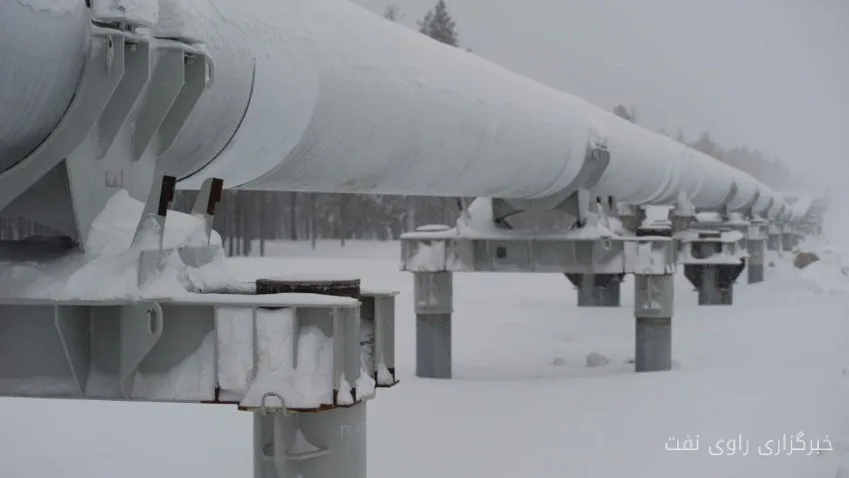
The European Union (EU) on Tuesday reaffirmed its opposition to oil and gas development in the Arctic. This action comes as the union prepares for an expensive winter and its gas reserves are declining. According to the European Commission's new Arctic strategy, oil, coal, and gas reserves must remain in the ground, and the development of hydrocarbons that threaten the Arctic ecosystem must be prevented.
Changes in the EU's Strategy
At the same time, Brussels has made a concession by removing the 2021 commitment to pursue an international legal ban on new drilling in the Arctic. An EU official acknowledged that convincing other countries to cooperate has become increasingly difficult. The current energy situation in Europe has made the timing of this issue particularly noteworthy.
State of Reserves and Prices
As of October 14, the EU's gas reserves were only 74 percent full, while the five-year average for this time of year has been around 86 percent. Dutch gas reference prices (TTF) reached €86.03 per megawatt hour last week, approaching their highest level since December 2022. Additionally, LNG flows from the Middle East have decreased by nearly 80 percent compared to last year, and disruptions in the Strait of Hormuz have limited the supply of these resources.
Overall, Europe has spent an estimated €100 billion more on oil and gas this year. Norway, the largest gas supplier to Europe, has advised Brussels to reconsider its opposition to Arctic drilling. However, Norway's production may decline in the 2030s due to a lack of new discoveries.
Despite the fact that new developments in the Arctic will not solve Europe's winter supply issues, Norway's concerns extend beyond this heating season. The forecast for Europe's gas supply has worsened to the point that Kadri Simson, the EU Energy Commissioner, has proposed delaying requirements related to methane emissions in imported energy. Brussels appears ready to reconsider the timing of its emission regulations but continues to oppose oil and gas development in the Arctic.
Read more: Seyed Abbas Araghchi discussed eco-side as a silent war crime at the conference · Contract signed for the purchase of four offshore drilling rigs for the Iranian continental shelf oil company