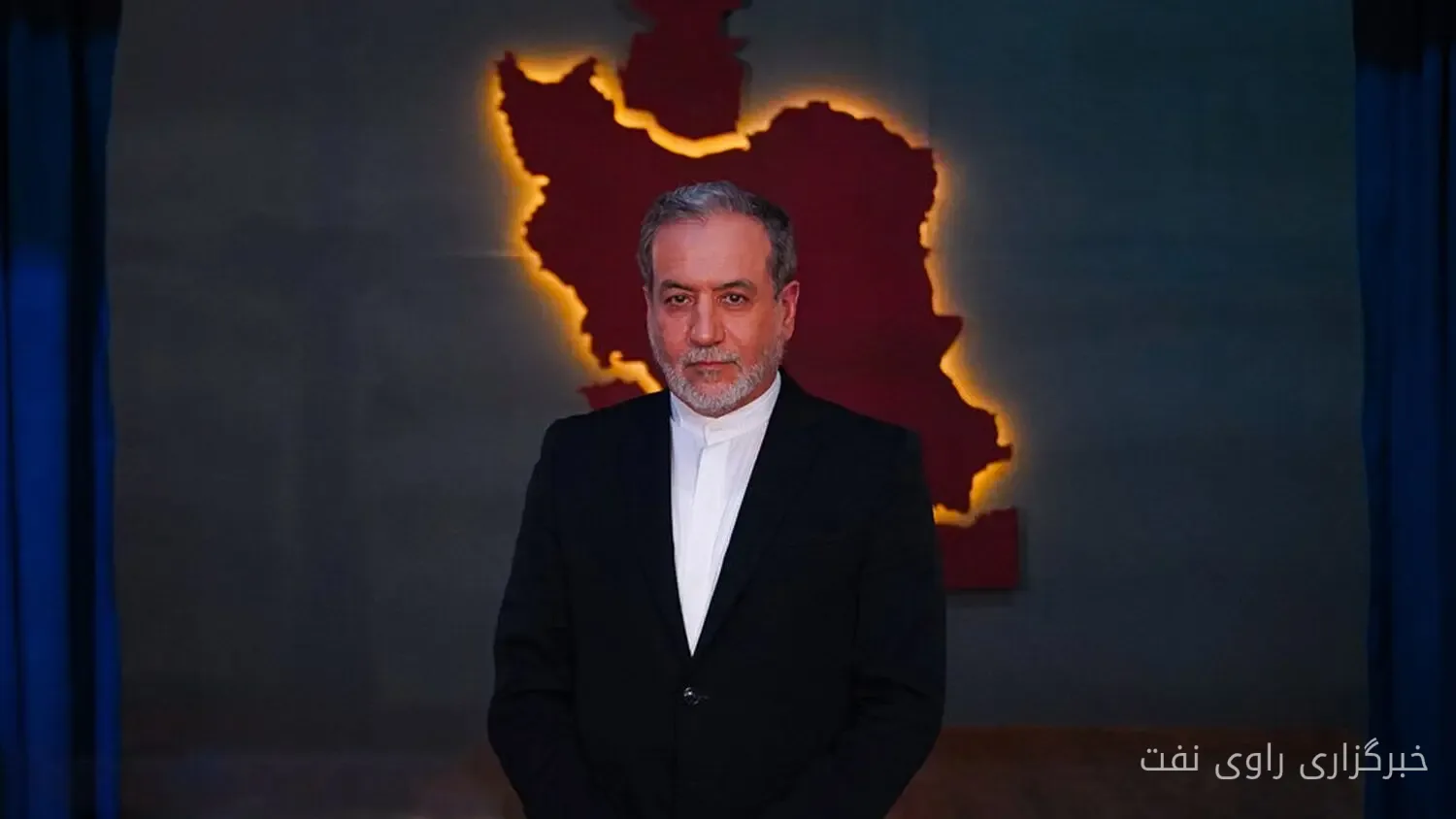
Seyyed Abbas Araghchi, the Minister of Foreign Affairs, this morning on Sunday, October 19, at the International Conference on "Ecocide; Silent War Crime," highlighted the connection between peace, security, the environment, and climate change, stressing the importance of addressing these issues. Araghchi stated that "ecocide" is a concept beyond war crimes, comparing this term to "genocide" and saying: "Ecocide" can be equivalent to "nature killing."
Environmental Destruction and Its Effects in Wars
The Minister of Foreign Affairs continued his remarks by referring to the challenges humanity faces regarding environmental destruction during armed conflicts, stating: "Today, the environment can no longer be considered a silent victim of war." He emphasized that war and conflict do not only target human lives but also affect water, soil, air, and biodiversity. The destruction of water and soil resources, air pollution, the destruction of vegetation and ecosystems, and the release of pollutants are among the devastating consequences of wars.
Experiences of Iran and Other Countries
Araghchi referred to the experiences of Gaza, Lebanon, and Iran regarding the environmental impacts of wars, mentioning the unprecedented environmental damage in Gaza. He added: "The collapse of water and sewage networks and the pollution of water and soil resources in Gaza is a legacy whose effects may remain for decades on the lives of the Palestinian people." He also pointed to the destruction of forests and agricultural lands in Lebanon and the pollution of the country's beaches due to military attacks.
Araghchi also emphasized that the Islamic Republic of Iran has not been immune to the destructive effects of wars, and military attacks on oil and refinery facilities have posed serious environmental risks. In March 2025, the United Nations Environment Program confirmed that oil facilities in and around urban areas of Iran have been targeted, and pollution from oil fires may pose a public health hazard.
In conclusion, Araghchi stressed the importance of accountability for environmental destruction and its protection during armed attacks, calling for strengthened international support for the environment. He stated: "No government, institution, or actor should consider itself above international responsibilities, and extensive destruction of ecosystems must be addressed with effective prevention and compensation mechanisms."