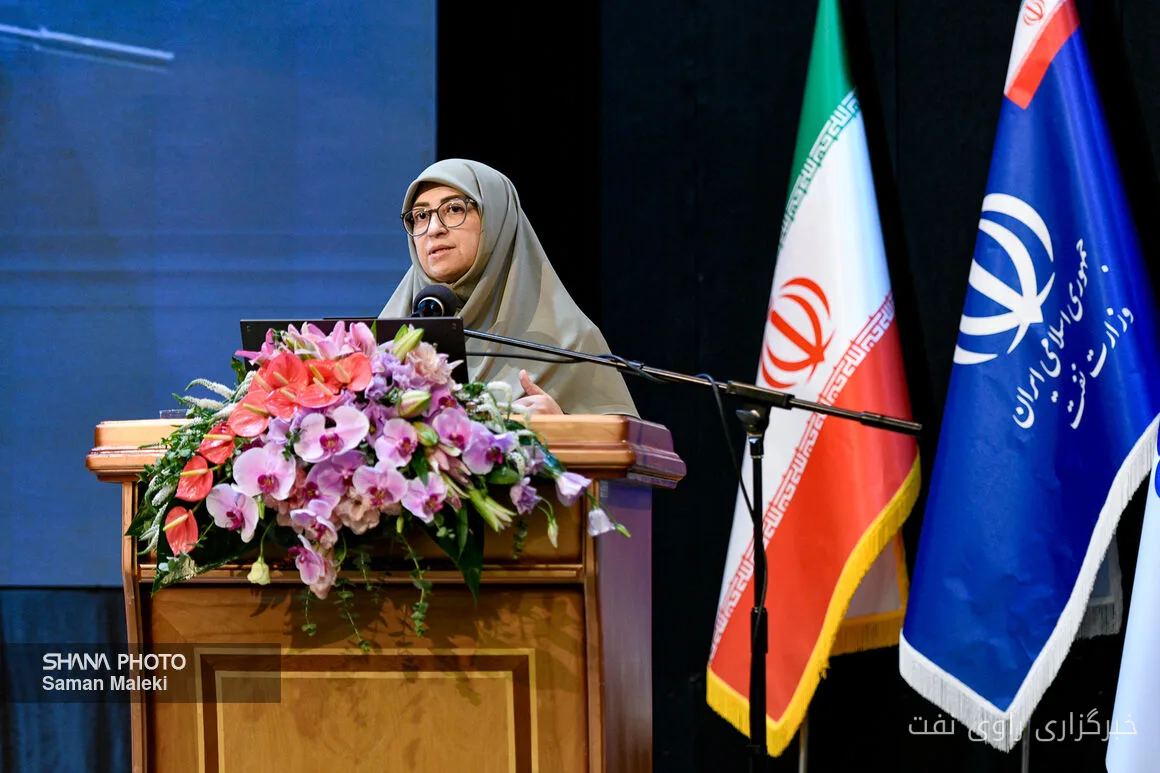
Shina Ansari, head of the Department of Environment, today (Sunday, October 19) at the conference 'Ecocide, a Silent War Crime', examined the destructive aspects of attacks on oil facilities and refineries, emphasizing that such attacks pose a serious threat to environmental health and people's lives.
Environmental Consequences of Wars
Ansari stated: The imposed wars of the second and third were not just military tensions; their destructive environmental consequences will remain in the memory of the soil and climate of this land for decades. The massive release of toxic substances into the soil, water, and air, as well as the release of a huge volume of greenhouse gases, are direct consequences of these incidents.
Read more: Hapag-Lloyd and North Sea Container Line are reducing 120,000 tons of greenhouse gases
Worrying Statistics
She added: During the attacks on fuel tanks and facilities in Assaluyeh, approximately 904 tons of particulate matter, 4,700 tons of organic compounds, and over 13,000 tons of sulfur dioxide were released into the air within a very short period of a few days. These statistics indicate serious dangers to human health and ecosystems.
Ansari also emphasized that the consequences of war are not limited to the published statistics, and the dimensions of this environmental crime are much deeper. She called for a scientific and thorough examination of any damage to industrial and energy infrastructures, water resources, and natural habitats.
The Necessity of Assessment and Compensation
The head of the Department of Environment, referring to the importance of environmental justice, stated: If the destruction of nature during war is left unassessed and uncompensated, one cannot speak of achieving justice. Environmental justice requires that the costs of destruction are not placed on the shoulders of those who have played the least role in creating the crisis.
These remarks come at a time when oil and gas facilities have always been targets of attacks, and the necessity of paying attention to the security of these infrastructures is felt more than ever. Shina Ansari, emphasizing the need for a scientific approach to environmental issues, called for synergy among various institutions to protect the environment.
Read more: 30,000-ton reduction of greenhouse gases at Ilam gas refinery · Renovation of the boilers at the second refinery of South Pars has been completed