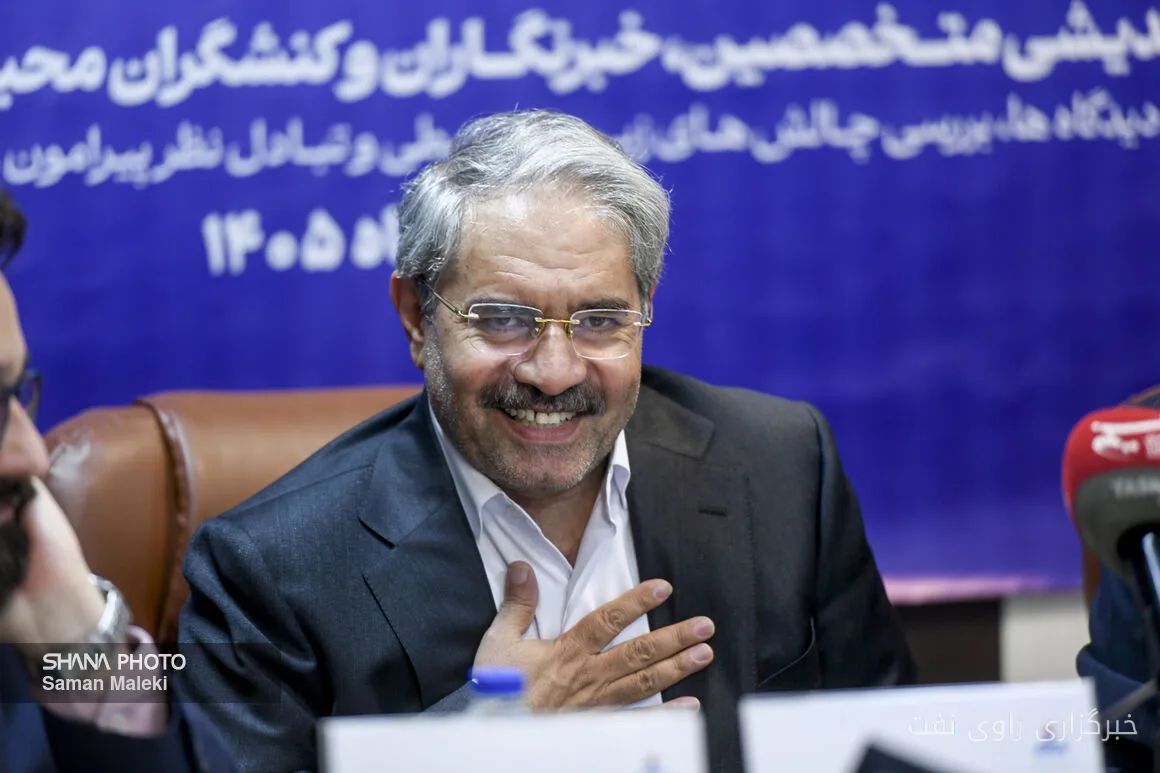
Ahmadreza Lahijanizadeh emphasized the importance of preparing a comprehensive protection and restoration plan for the Hoor al-Azim wetland during the brainstorming session on its protection and restoration. He stated that a complete terms of reference for this project had been prepared over a year and a half ago, and at that time, the issue of the Sohrab field had not yet been raised.
Stakeholder participation in the Hoor al-Azim protection plan
Lahijanizadeh added: "Since we have not yet entered the implementation phase, this plan can be shared with activists and stakeholders to express their views, and the program can be completed with the participation of all stakeholders." He also referred to the further damages to wetlands like Hoor al-Azim and said they require a comprehensive protection and restoration plan.
Read more: Creation of the international OceanEye alliance by Ursula von der Leyen and Mark Carney
Progress in registering Hoor al-Azim and garnering international support
The Deputy for Marine Environment and Wetlands of the Department of Environment continued by referring to the process of registering Hoor al-Azim under the Ramsar Convention, stating: "About 90% of the actions related to the registration of this wetland have been completed, and soon the relevant forms will be sent through the Ministry of Foreign Affairs to the Convention's secretariat."
He added: "We are also looking to define an international project to utilize international financial capacities for the protection and restoration of Hoor al-Azim." Lahijanizadeh also referred to the oil capacities of Khuzestan, stating that about 15,000 kilometers of oil pipelines pass through the villages of Khuzestan.
He also emphasized the importance of considering the people of these regions and stated: "The people of Khuzestan have provided the capacities of this province to the country over the past decades and expect that alongside the benefits they create for the country, their share of development and facilities will also be taken into account."
In conclusion, Lahijanizadeh emphasized the necessity of adhering to environmental assessment regulations in developmental projects and said: "In the past two years, about 110 environmental assessment permits have been issued at various scales. If there is to be a change in the structure and regulations of assessments, universities, professors, and experts should be invited and their participation sought."
Read more: Saeed Saaviz announced research projects for understanding Hoor al-Azim · The United States government approved new fuel consumption standards for vehicles