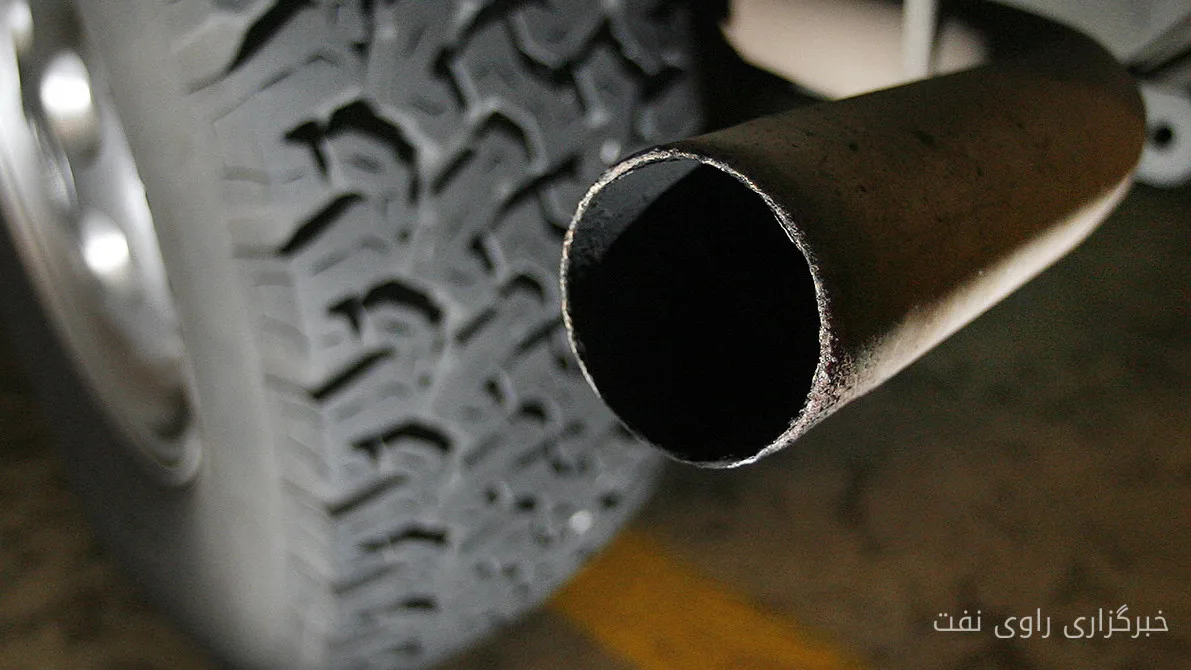
The United States government finalized new fuel economy standards for vehicles on Monday, which somewhat reverses the Biden administration's efforts to produce fuel-efficient vehicles. This change is generally viewed as a boost to the sales of gas-powered cars and trucks compared to electric vehicles.
New Standards and Their Implications
The standards have reduced the average fuel economy for the vehicle fleet to 34.9 miles per gallon (14.7 kilometers per liter) by 2031, a significant decrease from 50.4 miles per gallon (21.4 kilometers per liter) during Joe Biden's presidency. However, the Biden administration had finalized new regulations in 2024 to increase electric vehicle production to meet higher fuel economy standards.
Recent changes mean increased carbon emissions globally and a slowdown in the global shift towards electric vehicles. This policy aids the production of larger and less efficient gas-powered vehicles and keeps global oil demand high for decades. Additionally, this action halts the credit trading system that automakers used to comply with requirements.
Impact on the Global Automotive Market
With the approval of these lower standards, international automakers like Toyota, Volkswagen, and Hyundai can sell gas-powered vehicles more profitably in the United States while focusing on developing electric vehicles in other regions. Estimates from the Trump administration indicate that technology costs will decrease from $60.6 billion by 2031, allowing companies like Stellantis to save $6.6 billion, Ford $5.8 billion, and Toyota $4.5 billion.
While the United States moves towards lower fuel economy standards, the European Union and China are moving towards stricter regulations. European regulations mandate a 100% reduction in vehicle emissions by 2035. These changes imply a gradual phase-out of internal combustion engines.
China also has a dual approach to vehicle regulations, enforcing stringent fuel economy standards for gas-powered vehicles while also mandating the production of new energy vehicles (NEVs). This strategy has allowed Chinese automakers to capture about 60% of global electric vehicle sales.
Currently, fuel economy or greenhouse gas emission standards for new passenger vehicles exist in over 40 countries, covering more than 80% of global new vehicle sales. The most significant legal drivers in this area include the United States, the European Union, China, and Japan, which together form the largest blocks of fuel consumption and vehicle production in the world.
Read more: New analysis shows oil pollution in oceans is increasing



