Turkey has announced its goal at the COP31 conference being held in Antalya to increase the share of electricity in global energy consumption to 35 percent by 2035. Currently, this share is approximately 20 percent, and Turkey's proposal does not impose any obligation to reduce fossil fuel consumption. This issue has attracted the attention of many climate negotiators.
Details of Turkey's Proposal
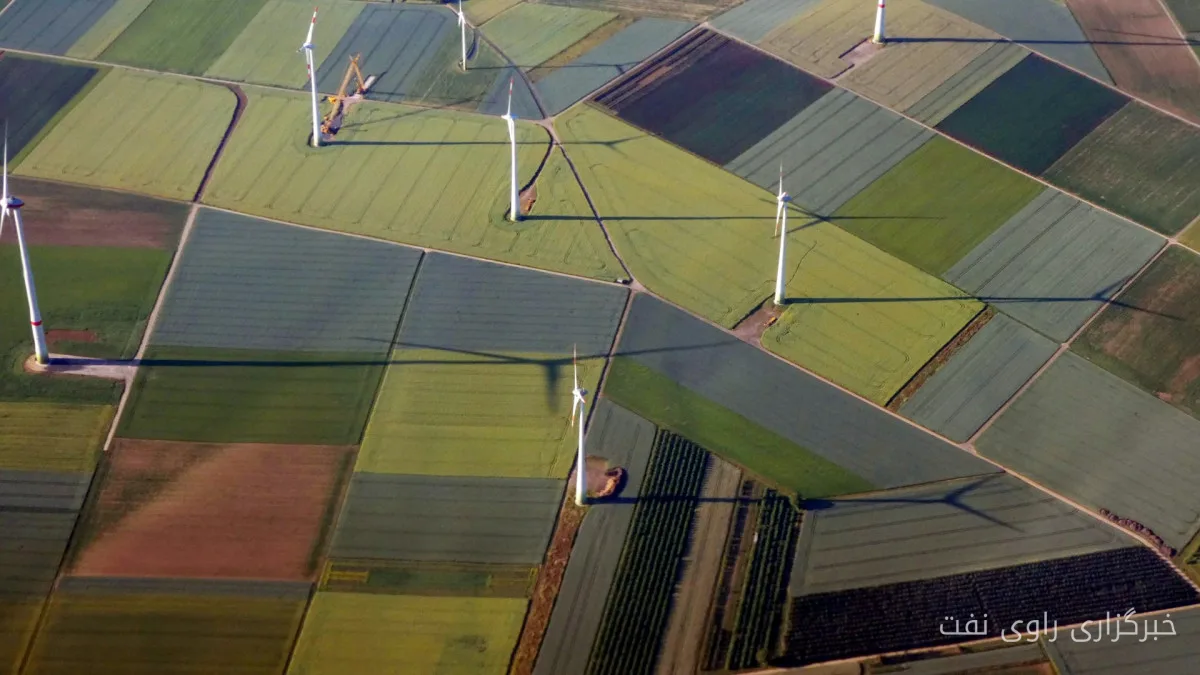
Turkey's proposal focuses on measuring progress based on the percentage of final energy demand met by electricity. The proposal does not explicitly specify how electricity should be produced, meaning that electricity generation from coal and gas also contributes to the set target. Similarly, reaching 35 percent does not necessarily mean a reduction in absolute fossil fuel consumption.
Read more: COP31 Secretary calls on NATO countries to invest more in climate change
Challenges Facing COP31
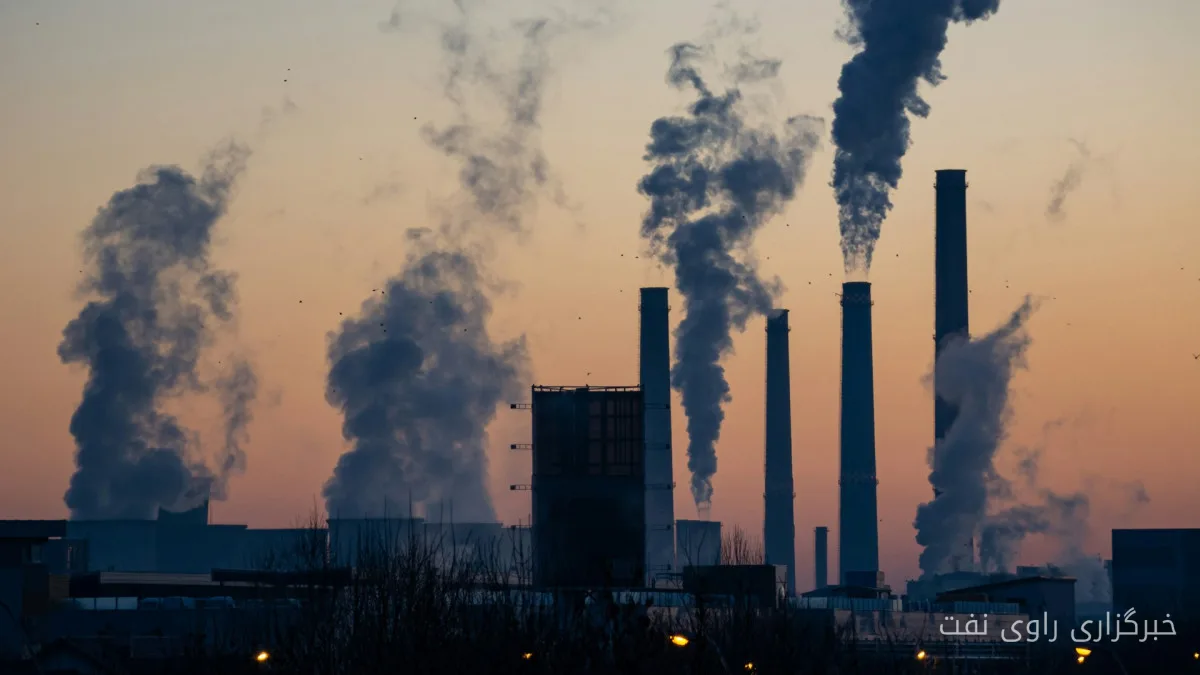
Turkey is trying to add this voluntary commitment to the final agreement of the conference, although support for this proposal is still unclear. This issue is very important for countries that are negotiating, especially those that rely on coal for electricity generation. For example, coal provides nearly one-third of Turkey's electricity and over 40 percent of Australia's electricity. Australia is leading the negotiations.
Electrifying the transportation, heating, and industrial processes can reduce direct fossil fuel consumption and improve energy efficiency. However, reducing gas emissions also depends on sources that produce additional electricity. Portugal has called for the proposed target to be linked to clean electricity.
In this context, António Guterres, the Secretary-General of the United Nations, on Tuesday urged member countries to set clear timelines for moving towards reducing dependence on fossil fuels. Meanwhile, Recep Tayyip Erdoğan, the President of Turkey, announced the discovery of two oil fields in the Gabar region, estimated to contain 135 million barrels of in-place oil. Turkey expects production from this area to exceed 100,000 barrels per day in the second half of 2027.
This discovery highlights the conflicting challenges at the COP31 conference. Governments want to expand the use of electricity, improve energy security, and at the same time achieve reductions in gas emissions while maintaining access to affordable energy. This proposal offers a measurable electrification target, but achieving a meaningful reduction in fossil fuel consumption depends on how this target is realized.
Read more: The Arctic Union calls on the Nordic Council to approve the AMOC resolution · Formation of a Turkish defense bloc around Saudi Arabia