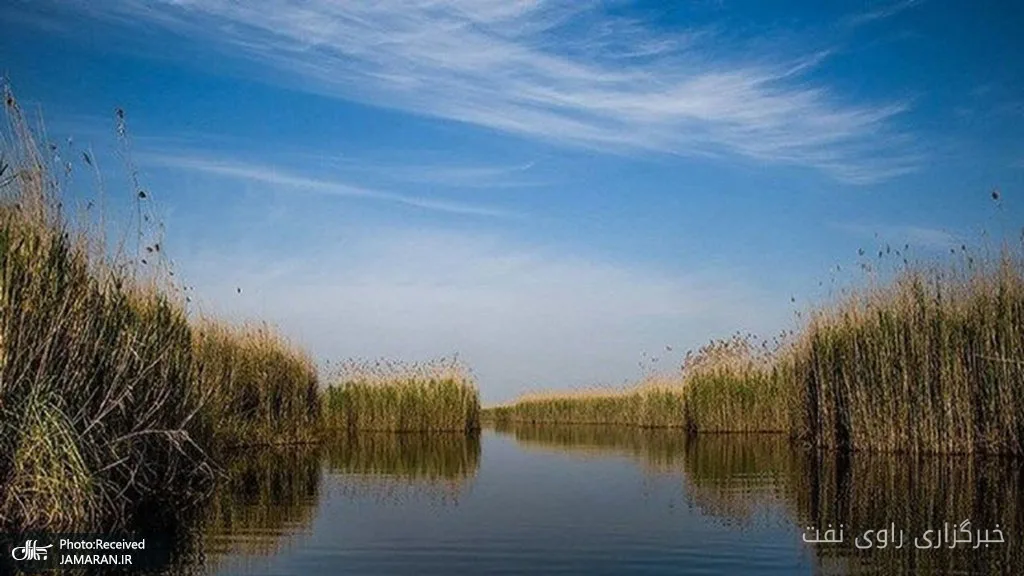
Hawr al-Azim, as one of the most important aquatic ecosystems in the country, has faced serious threats in recent years due to the development of oil fields. At the Hawr al-Azim night meeting, environmental activists expressed concern over the issuance of a permit for the Sohrab oil field, which is set to affect 18 hectares of reservoir number one of this wetland. This reservoir, with an area of approximately 20,000 hectares, is considered one of the pristine parts of Hawr al-Azim.
Consequences of the Development of the Sohrab Oil Field
The Sohrab oil field is located along the common border of Iran and Iraq, and concerns about the environmental consequences of this project alongside its economic benefits were topics discussed at this meeting. Environmental activists emphasized that the development of this oil field could lead to the drying up of the wetland, alteration of water flow, and damage to animal habitats. Meanwhile, Hawr al-Azim, as a unique ecosystem, has profound cultural and social impacts on the lives of local people.
The Necessity of Accurate Environmental Impact Assessment
Dr. Hossein Mahmoudi, an ecology researcher, emphasized the need to halt oil activities in this field and referred to the deep connection of the people with this wetland. He believes that the exploitation of oil resources should be conducted in a way that preserves the environment and the natural capital of the region while ensuring economic benefits. Additionally, Dr. Kordouni, an oil researcher, stressed the necessity for oil companies to be accountable to the local community and urged them to carefully assess the benefits and costs of their activities.
It was also pointed out at this meeting that any decision-making regarding the development of the Sohrab field must consider the rights of local communities and environmental consequences. This issue is particularly significant in a context where Hawr al-Azim is regarded as a natural and cultural heritage for future generations.
Ultimately, fundamental questions were raised about the future of Hawr al-Azim and its economic potentials alongside the protection of the environment and the rights of the people. Can oil resources be exploited without threatening the future of this ecosystem?
Read more: Mohammad Behrami emphasized the importance of developing renewable energies · New report on green goals in the maritime transport industry