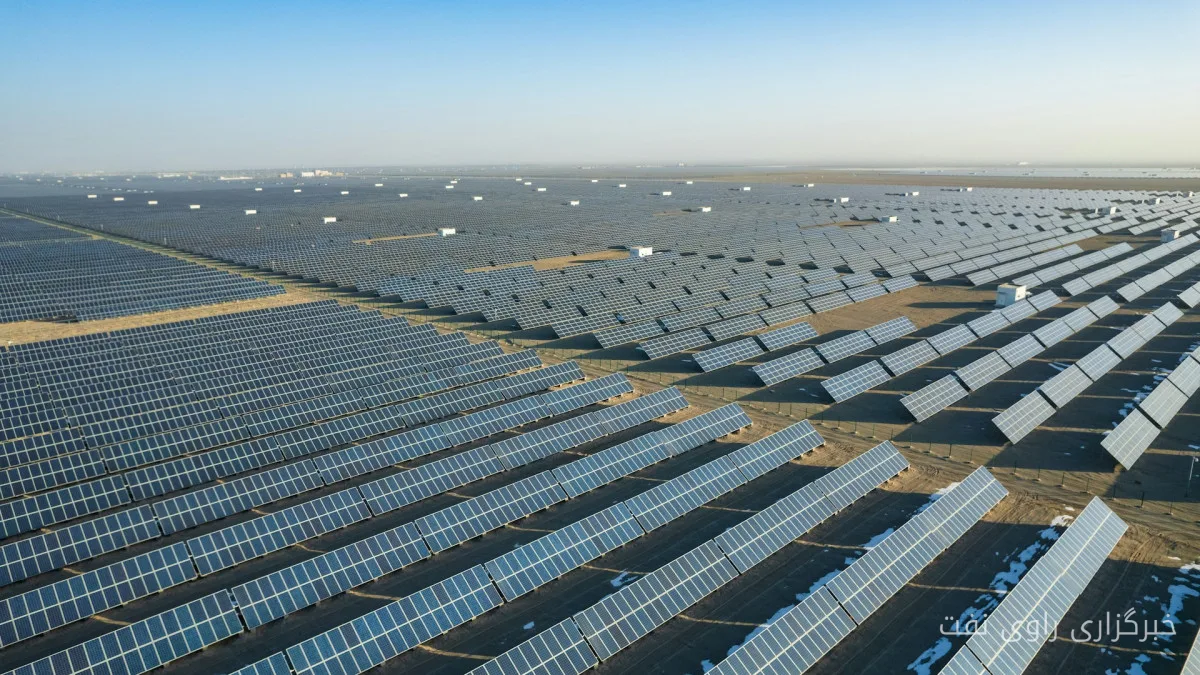
Solar power officially surpassed nuclear energy in 2025 with a production of 2,778 terawatt-hours (TWh). In 2015, solar energy production was only 256 terawatt-hours, while nuclear energy production was 2,576 terawatt-hours. This means that solar power is now 13 percent greater than the total global nuclear energy production.
Significant Growth of Solar Power
The growth of solar power has been surprisingly rapid, with its production capacity nearly doubling every three years. A significant portion of this progress is due to the increased production of solar panels in China, which has become a solar manufacturing empire. By providing cheap solar panels, this country has facilitated the renewable energy revolution worldwide. Currently, many countries, even in low-income areas, are turning to solar energy.
Read more: Release of a new fire drill guide by the Safety Association of Car Carrier Ships
Economic and Social Impacts
Countries like Brazil, Chile, El Salvador, Morocco, Kenya, and Namibia are currently leading the transition to clean energy, surpassing some of the largest economies in the world. Additionally, Pakistan is rapidly emerging as a successful example of solar energy adoption. This country has captured one of the fastest-growing markets in this field by installing solar systems and batteries.
Moreover, the decrease in battery prices has also contributed to the development of solar panels. Technological advancements in batteries have largely solved the issue of solar energy intermittency. As a result, solar systems with storage in sunny areas are now typically cheaper than fossil fuel power plants.
Given these developments, renewable energy is now recognized as a more sustainable and cost-effective source compared to oil and gas. This is particularly evident in critical situations such as wars and fluctuations in the global energy market. These factors clearly indicate that solar energy is considered one of the main new energy sources in human history.
Read more: Introduction of Greg Stanton's Green Roadmap at the IEC 2026 Conference · India Reduced 118.6 Gigawatts of Renewable Capacity in September