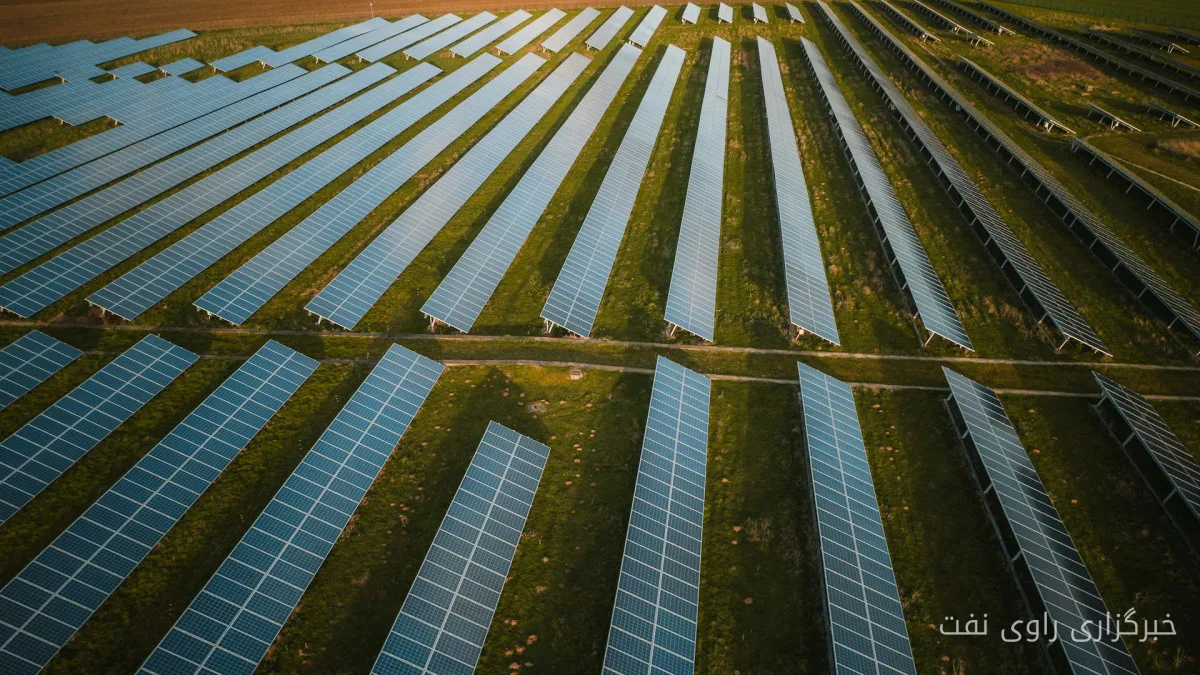
In September 2023, India reduced 118.6 gigawatts of renewable energy generation capacity due to grid and battery storage limitations. This information was published based on data from JMK Research & Analytics.
Details of Capacity Reduction
Out of the total 118.6 gigawatts of renewable energy affected by the reduction, 96.9 gigawatts were related to solar energy and 21.7 gigawatts were related to wind energy. This reduction was equivalent to 1.28 percent of total renewable energy generation in India last month.
Read more: Vale's Iron Ore Exports Decline and Rio Tinto and BHP Increase Production
Reasons for Capacity Reduction
The main reasons for the reduction in renewable capacity include a mismatch between demand and generation, transmission constraints, insufficient storage and grid flexibility, and seasonal overlaps between high renewable generation and average demand. From May to August, capacity reductions in India increased fourfold compared to the previous year. During this period, 44.6 gigawatts of new solar energy capacity was added to the grid, putting significant pressure on transmission infrastructure and flexibility.
Reports indicate that the increase in capacity reductions suggests that the growth of India's solar and wind capacities is not aligned with the adequate expansion of grids and transmission infrastructure, as well as battery storage to manage renewable energy discharge. India's record-breaking renewable electricity generation and solar energy production in July and August were affected by these reductions.
Over 4 percent of solar energy production in July and August was reduced due to grid and operational constraints. During this time, India's demand surged, and coal power plants faced critical inventory issues.
To address the issue of capacity reduction and inflexibility in renewable energy sources, India has planned to introduce regulations starting July 2027, requiring developers of solar and wind energy projects to install on-site battery storage at their projects.
Read more: Iran-Jaan National Campaign in Markazi Province with Industrial and Cultural Capacities · IMO Net Zero Framework and the Grand Inga Hydropower Project in Congo