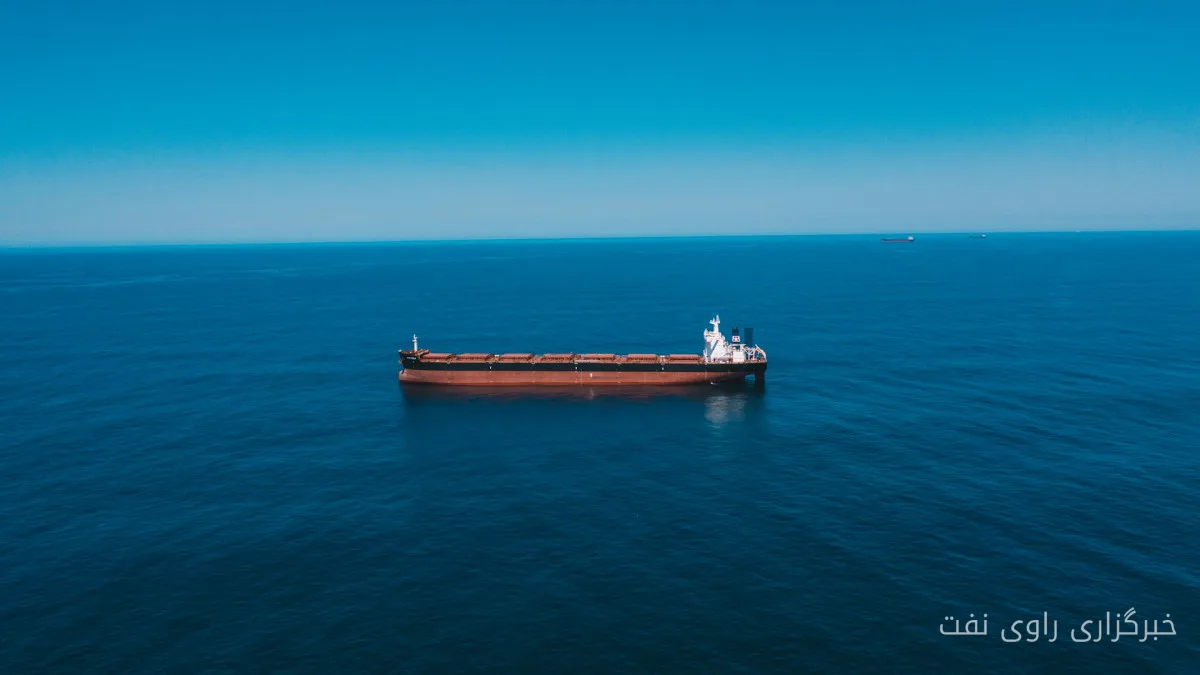
Oil tankers that were previously used to transport crude oil from sanctioned countries like Venezuela have now turned to exporting oil from the Persian Gulf. These changes come after some of these tankers have been removed from the sanctions list. Two large oil tankers that previously carried Venezuelan crude oil are now engaged in exporting oil from the Persian Gulf, and two other tankers are heading towards the Gulf of Oman from South America.
Legal and Economic Developments
According to Benjamin Robinson, a maritime lawyer at Chalos & Co., tankers that were previously under sanctions have either been removed from the sanctions list or have obtained licenses for certain financial transactions. He added: "This is a very agile system that can be used to achieve foreign policy objectives."
Read more: Escalating Tensions in the Oil Market with Increased Iranian Maritime Attacks
This report follows the announcement of new U.S. government plans to recognize these sanctioned tankers and use them for transporting non-sanctioned oil. This action is due to the sharp increase in shipping rates caused by rising demand for oil from the Persian Gulf, where ship-to-ship oil transfers have become a common practice.
Rising Shipping Costs
The level of risk in passing through the Strait of Hormuz has also contributed to rising shipping rates, with some routes now incurring shipping costs of $40 million. Chris Wright, the U.S. Secretary of Energy, stated: "We will move some ships from what I call the 'bad fleet' to the 'good fleet.' These ships will no longer carry sanctioned oil." He also noted that this process will include converting dark tankers into legal vessels.
According to Wright, about 1,600 ships belong to the dark fleet, and given the shortage of vessels for transporting non-sanctioned oil, the U.S. government is legitimizing some of these ships. This action could lead to the addition of dozens or even hundreds of ships to the global fleet of non-sanctioned oil.
Read more: Head of the Research Center of the Parliament: Over 90% of the Petrochemical Industry is in the Hands of the Public Sector · Turkey-Libya Agreement Increases Pressure on Oil Companies