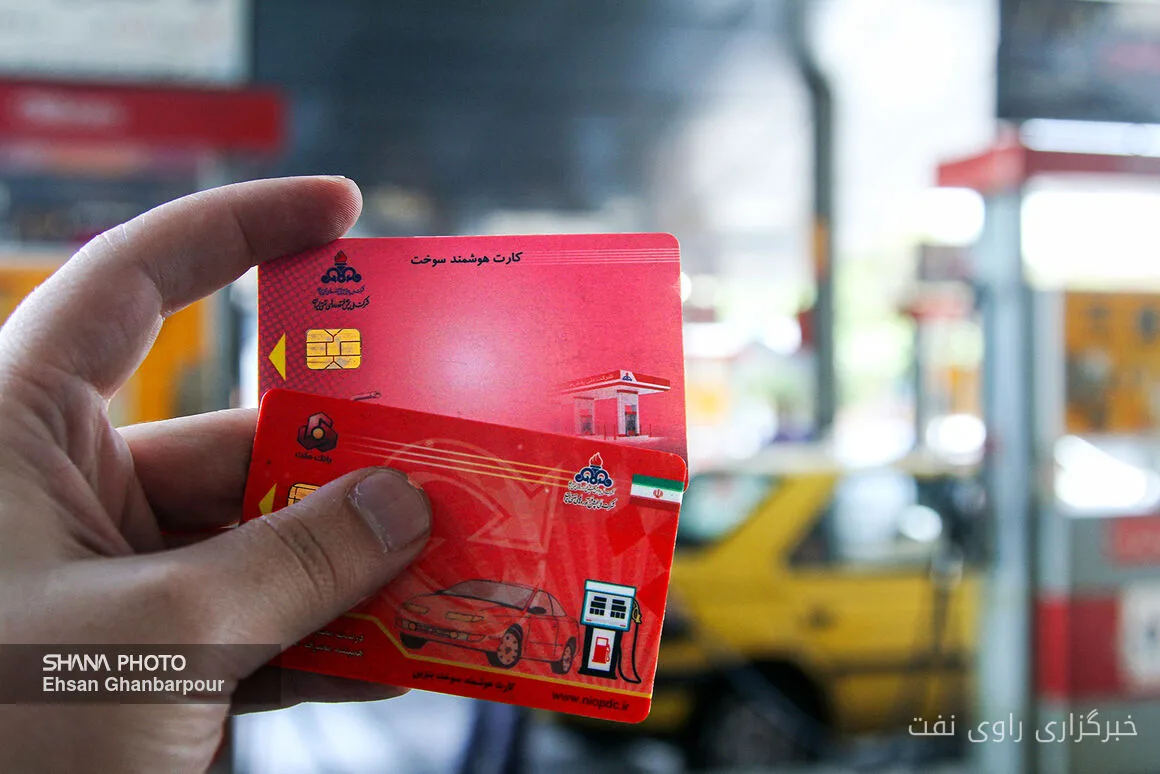
Jalal Hamahosaini, referring to the details of the plan to transfer the quota of emergency cards from stations to personal vehicle cards, stated: This plan was operationalized across the Kurdistan province from the early hours of November 1, after reviewing and explaining its dimensions in internal meetings of the province and receiving approval from the Security Council, with full coordination from the owners of fuel supply stations.
Details of the Plan Implementation
He stated that with the implementation of this plan, 50 liters will be charged as the third layer of the quota in the fuel cards of all personal vehicles, emphasizing that previously, abuses occurred in the form of repeated refueling and the creation of long queues at supply outlets, and there were challenges and complaints regarding the distribution of fuel by emergency cards; however, with the implementation of this mechanism, long queues have subsided and the management of consumption has been directly handed over to citizens.
Read more: Increase in oil prices due to Houthi attacks on Saudi Arabia
Distribution of Super Gasoline and Increase in CNG Consumption
The director of the National Iranian Oil Products Distribution Company in the Kurdistan region announced the establishment of instant fuel card issuance devices in 7 out of the total 9 regions of this area and said: Since the beginning of this year, more than 24,000 smart fuel cards have been produced and delivered to applicants by the instant fuel card issuance devices in this province to ensure the uninterrupted refueling process for citizens.
Hamahosaini further referred to the distribution of super gasoline in the supply outlets of the province and said: The distribution of super gasoline began in late October at two fuel supply stations in Sanandaj and is currently ongoing. Also, considering the volume of demand and vehicle traffic in border areas, a request for the supply of this fuel in the city of Baneh has also been registered and will be operational soon.
Regarding the source of supply and price of super gasoline, he clarified: This product, despite the very long distance, is supplied from the Star Refinery of the Persian Gulf and transported to the region. The price of super gasoline in the country is determined to be between 103,000 to 110,000 tomans, depending on the proximity and distance from the production source and transportation and loading costs, with this figure in Kurdistan being 110,000 tomans per liter due to the longest distance from the source.
The director of the National Iranian Oil Products Distribution Company in the Kurdistan region pointed out that the average daily consumption of super gasoline in Kurdistan is about 3,000 liters, emphasizing that the distribution process continues in a stable and orderly manner.
Hamahosaini noted the change in fuel consumption patterns and the increase in CNG consumption in Kurdistan, stating: After implementing gasoline consumption management plans, the consumption of clean CNG fuel in the province increased by 15%, and given the favorable infrastructure capacities at CNG stations in the region, there is full capability to meet this demand.
He emphasized that vehicle owners without smart fuel cards should not worry, reminding that necessary arrangements have been made for registering requests and quickly issuing cards for this group of citizens in the regions of the province, and there is no issue in supplying fuel to consumers.
Read more: Escalation of tensions in the oil market with increased maritime attacks by Iran · President announced the country's self-sufficiency in gasoline imports