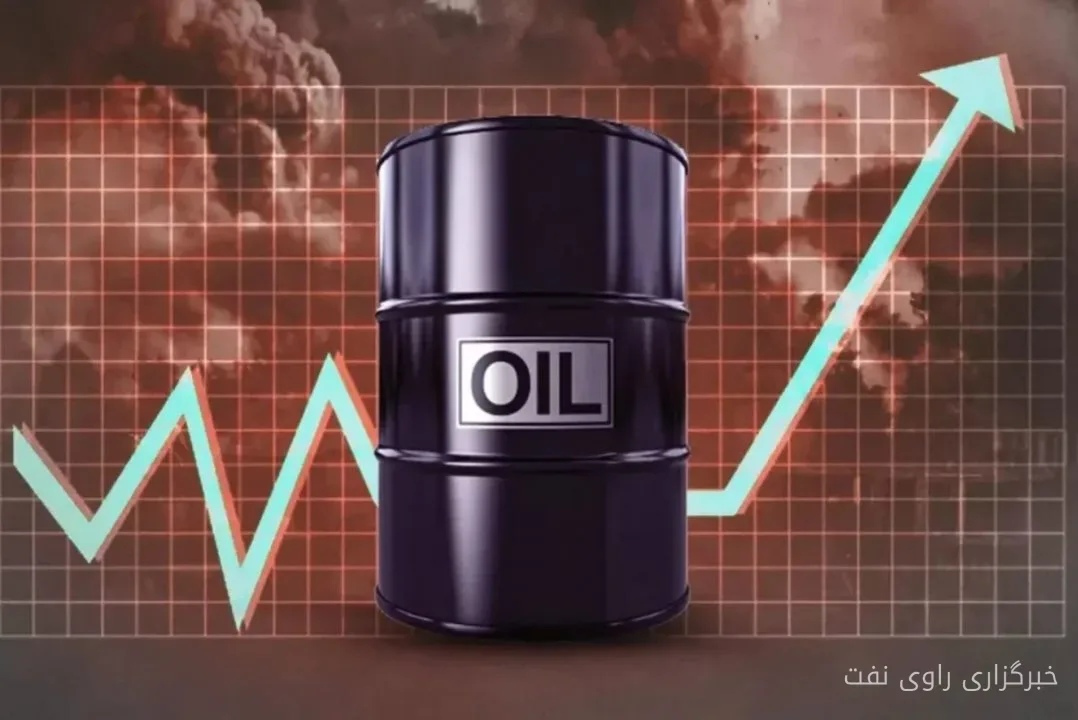
Attacks on oil tankers in the Persian Gulf and the Strait of Hormuz have led to an increase in oil prices in the global market. While the price of Brent oil is experiencing its worst weekly decline since the COVID-19 pandemic, recent statements from the U.S. President regarding the possibility of escalating conflicts have prevented further price drops. The price of Brent for January increased by 3 cents to $98.32, and U.S. oil rose by 31 cents to $90.83.
Supply and Demand Imbalance
Analysts believe that the oil market is moving towards a state of "oversupply," which is due to decreased demand and increased supply. However, the downward trend in prices has been curbed by the increase in attacks on oil tankers in the Persian Gulf and the Strait of Hormuz. Reports from the UK Maritime Trade Operations (UKMTO) indicate that attacks on oil-carrying ships continue at levels close to historical records. Meanwhile, the management of a Greek shipping company has confirmed that following the explosion of an oil tanker on November 5, one sailor lost his life, which is suspected to be due to a missile attack.
Read more: Hamid Hosseini Described the Situation of Mazut Consumption in Industries
Economic Consequences
In addition to regional tensions, a strong U.S. employment report showing an increase of 165,000 jobs last month has impacted the oil market. This report has heightened concerns about a potential interest rate hike by the Federal Reserve, which could affect production costs and global demand. Furthermore, despite the midterm election results in the U.S. creating hopes for reduced tensions and increased oil exports from the region, uncertainty regarding a potential agreement with Iran has placed the market in a position where any strong reaction from either side could disrupt the balance of supply and demand in favor of rising prices.
Read more: The IRGC Navy Set Two Oil Tankers on Fire in the Strait of Hormuz · Oil Prices Drop to Lowest Level Since 2022



