Crude oil prices experienced significant fluctuations last week, ultimately reaching their lowest level since 2022. These changes are primarily due to Iran's diplomacy, improved exports from Gulf countries, and general weakness in financial markets.
Analysis of the Oil Market Situation
The oil market has been influenced by several key factors in recent weeks. Iran's diplomacy in nuclear negotiations and the potential increase in this country's oil exports have significantly impacted price trends. Additionally, OPEC and non-OPEC countries are also seeking to increase production and supply to the market, which could lead to further price reductions.
Read more: Decrease in China's diesel export forecast in November by Energy Aspects
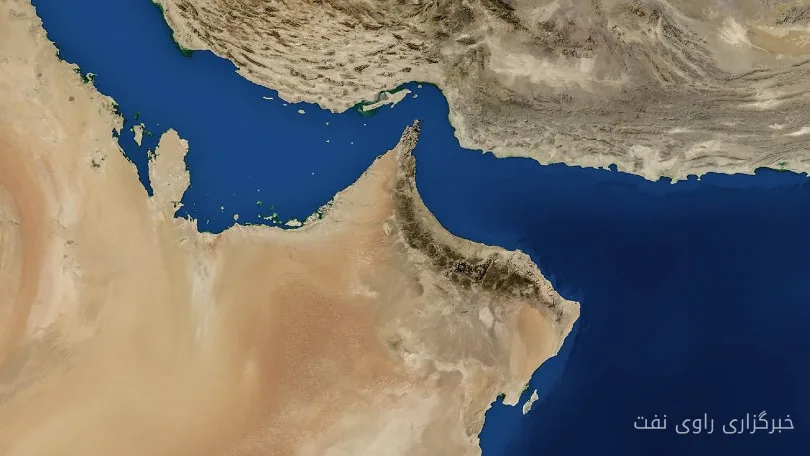
Furthermore, the improvement in Gulf exports is another factor that has influenced oil prices this week. With increased production and exports of oil from countries in this region, additional pressure has been placed on prices, leading to a decrease in oil prices.
Consequences of Falling Oil Prices
The decrease in oil prices can have widespread effects on the global economy, particularly for oil-producing countries. This price drop may lead to reduced oil revenues for countries, negatively impacting their budgets and development programs. Especially, countries that heavily rely on oil revenues may face economic crises.
Moreover, falling oil prices can create opportunities for consumers. Lower energy costs can lead to decreased prices for goods and services and, on the other hand, help stimulate demand in consumer economies.
Ultimately, experts believe that oil price volatility will continue in the near future, especially considering the political and economic developments globally, and this market will remain influenced by various factors.
Read more: Gulf Petrochemical Industries Group seeks to improve employee welfare conditions · Global oil market returns to a surplus