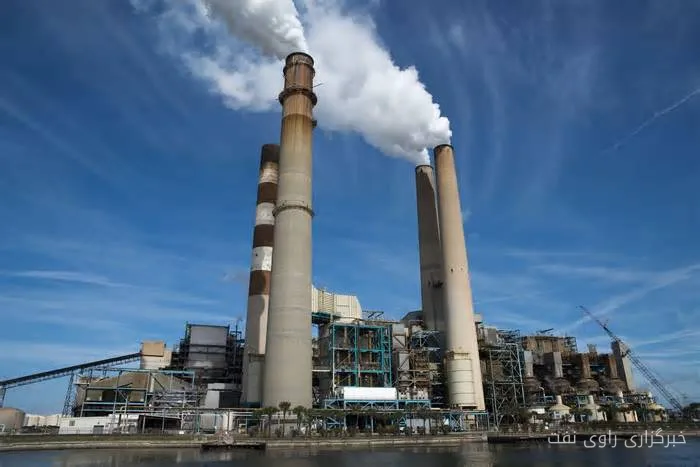
Energy imbalance at the onset of the cold season is not a new issue for the Iranian economy; however, this year, the coincidence of this challenge with wartime conditions and the limitations caused by maritime blockade has added more complex dimensions to the fuel supply crisis in various sectors of the economy.
The increase in gas consumption in the residential sector with the arrival of cold weather, alongside limited production capacity and difficulties in supplying and transporting certain petroleum products, has once again made energy supply for industries and its environmental consequences one of the main concerns.
Read more: Increase in Brent crude oil price above $100
Effects of Energy Imbalance on Industries
Hamid Hosseini, an economic activist in the petrochemical industry and a member of the Iran Chamber of Commerce, has examined the situation of fuel oil usage in the country and emphasized that the continuation of industrial activities depends on government support and stability in economic regulations. In this context, the use of fuel oil has been proposed as an option to prevent the shutdown of production units. However, this solution comes with significant economic and environmental costs.
Since the beginning of November, signs of a crisis in the cement industry have become apparent. The secretary of the Cement Employers Association has reported the cessation of gas supply to cement factories and the replacement with fuel oil. The use of fuel oil, especially high-sulfur types, can have significant consequences for air quality and public health.
Challenges of Fuel Supply and Use of Fuel Oil
According to reports, the government must manage around 700 million cubic meters of gas it has available to meet export commitments, feed petrochemicals and industries, and residential consumption. Hosseini has stated that with residential consumption increasing from 250 million cubic meters to 450 million cubic meters and even higher, the government will inevitably have to decide on cutting gas supply to factories.
Currently, there are about 15 power plants that consume fuel oil. Although they have managed to convert the Arak power plant from fuel oil to liquefied gas, other power plants continue to use fuel oil. It is predicted that if this trend continues, the government will face this challenge for about 60 to 70 days.
Hosseini also referred to the government's negotiations for importing LNG from Qatar and discussions with Turkmenistan and Russia, stating that the current conditions have increased the need for new measures.
Read more: Natural gas price rises above $3 on Friday · Amin Amraei, CEO of Maroon Petrochemical and his professional background



