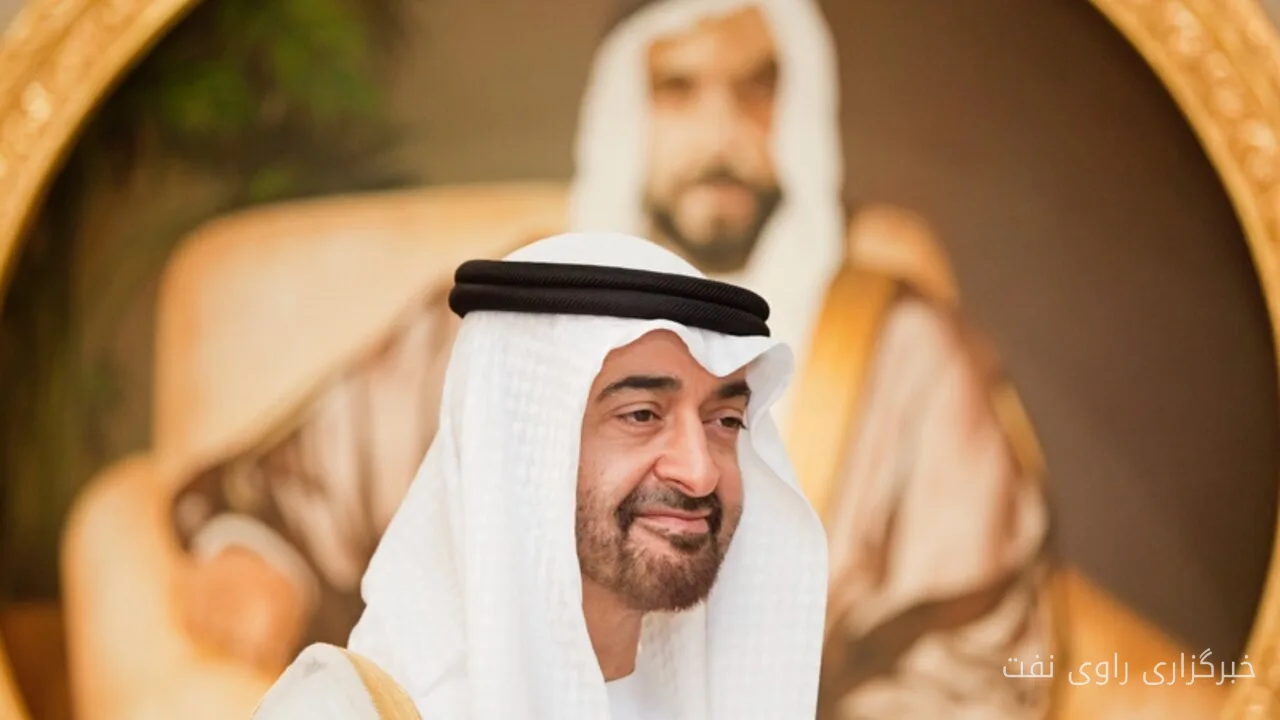
Mohammed bin Zayed Al Nahyan, the ruler of the United Arab Emirates and the architect of the structural transformations in this country over the past decade, is recognized as one of the key figures in the political and economic equations of the Middle East. Since assuming the presidency in 2022, he has initiated a transformative leadership that has impacted not only the future of the UAE but the entire region.
Background and Education
Mohammed bin Zayed (commonly known as MBZ) was born in March 1961 in the city of Al Ain and is the third son of Sheikh Zayed bin Sultan Al Nahyan, the founder of the United Arab Emirates. To build his executive and military character, he was sent to Morocco and then to Britain, graduating from the Royal Military Academy Sandhurst in 1979. These military experiences helped him transform the UAE's army into one of the most efficient and equipped armed forces in the region.
Read more: Analysis of Global Energy Security Challenges Following the Wars in Ukraine and Iran
Path to Power and Key Policies
Bin Zayed's ascent to power began with the structural restructuring of the UAE's armed forces in the 1990s. By establishing security and military ties with the United States and making heavy military purchases from the West, he solidified his position in the UAE government. Following the death of Sheikh Zayed in 2004 and the subsequent health issues of Sheikh Khalifa, Bin Zayed effectively took control of all governing powers and was elected as the President of the United Arab Emirates in May 2022.
Mohammed bin Zayed's foreign policy is based on three key principles: no compromise with rivals, pragmatic economic diplomacy, and balancing global powers. He has also strongly avoided unipolarity in security relations and seeks to deepen trade relations with China and close cooperation with Russia within the OPEC+ framework.
Transformation in Domestic and Foreign Policies
With the signing of the Abraham Accords in 2020 and the normalization of relations with Israel, the UAE under Bin Zayed has moved towards new geopolitical transformations. This shift has also influenced domestic policies, with Bin Zayed moving towards repairing relations with Turkey and rebuilding communication channels with Iran since 2021.
In terms of internal governance, he has consolidated power among himself and his brothers, and with the appointment of his son, Sheikh Khalid bin Mohammed, as Crown Prince of Abu Dhabi in 2023, he sent a clear message of power transition to the new generation.
However, Bin Zayed's record is not without criticism, and the UAE's role in regional conflicts, particularly in Yemen and Sudan, has led to ongoing criticism from international human rights organizations. Additionally, Saudi Arabia's rapid rise with Mohammed bin Salman’s ambitious "Vision 2030" has created intense competition between Abu Dhabi and Riyadh for attracting investment and regional economic leadership.
Read more: Global Gas Market Under Pressure from LNG Supply Disruptions · Hamid Bord Emphasized the Enemy's Planning for Attacking Iran's Oil Facilities