The Ukraine and Iran wars have created new challenges for global energy security that go beyond military and regional tensions. These conflicts have exposed weaknesses in the global energy and economic system, indicating that energy security can no longer be viewed independently of financial security, transportation, and strategic relations with global powers.
The Impact of the Ukraine War on Europe's Energy Supply
The Ukraine war has disrupted Europe's long-standing dependence on Russian natural gas. In this context, the Iran-U.S. war has also revealed other vulnerabilities, particularly the concentration of global oil and liquefied natural gas (LNG) flows in strategic maritime routes, especially the Strait of Hormuz and the Bab-el-Mandeb Strait. The International Energy Agency (IEA) has described this disruption as the largest oil supply disruption in its history, affecting nearly 20 million barrels per day of crude oil and refined products at the time of the closure of this strait.
Read more: Shan M. Dalton Elected as New President of the International Marine Insurance Association
Global Developments and Changes in Energy Dependency
These crises may mark the beginning of a new phase of globalization in which countries seek to reduce dependence on a single source, route, or specific technology. While complete economic or energy independence is neither realistic nor necessarily desirable, countries are striving for increased strategic autonomy through diversification in energy supply, building transportation infrastructure and alternative supply, strengthening domestic capabilities, and creating economic and technological resilience.
The 1990s are recognized as a period of financial integration during which East Asian economies became more deeply connected to international capital markets. The Asian financial crisis of 1997 demonstrated how capital market disruptions could quickly spread to even strong economies. In this context, the International Monetary Fund's support programs in Indonesia, South Korea, and Thailand illustrated that financial dependency could become a matter of national economic security.
In the 2000s and early 2010s, Europe's dependence on Russian gas became evident. The 2007-2008 financial crisis did not create Europe's dependence on Russian gas but temporarily reduced gas demand in Europe. From 2010 onwards, Russian gas increasingly regained importance, and infrastructures like Nord Stream and the economic appeal of geographically close supplies were strengthened. By 2018, Russian gas accounted for over 40 percent of the European Union's gas demand.
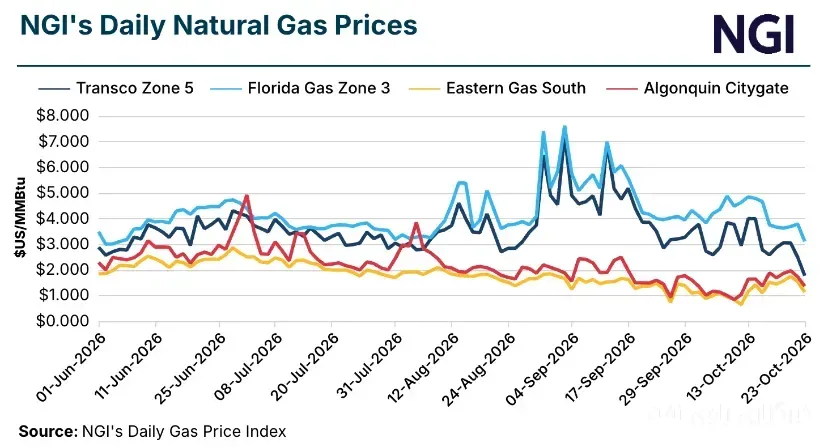
Following Russia's invasion of Ukraine in 2022, the loss of large volumes of Russian natural gas exacerbated Europe's energy crisis and highlighted the risks of concentrated foreign supply. The 2010s also depicted a new dimension of American energy power. The shale revolution transformed the United States from a major energy importer to the largest oil and gas producer in the world and one of the largest LNG exporters. Thus, energy production increasingly became linked to geopolitical and financial impacts.
The 2020s have revealed further vulnerabilities in global supply chains. Even as countries diversify their energy suppliers, they remain vulnerable to maritime routes, insurance, financial markets, technology, and geopolitical shocks. These challenges indicate that Europe must build strategic energy independence without abandoning international markets, which requires multiple suppliers, adequate storage, alternative infrastructures, and domestic renewable and nuclear capacities.
Read more: Abbas Araghchi Presented Iran's Conditions for Reopening the Strait of Hormuz · Copper Prices Rise to Highest Level in Six Consecutive Sessions