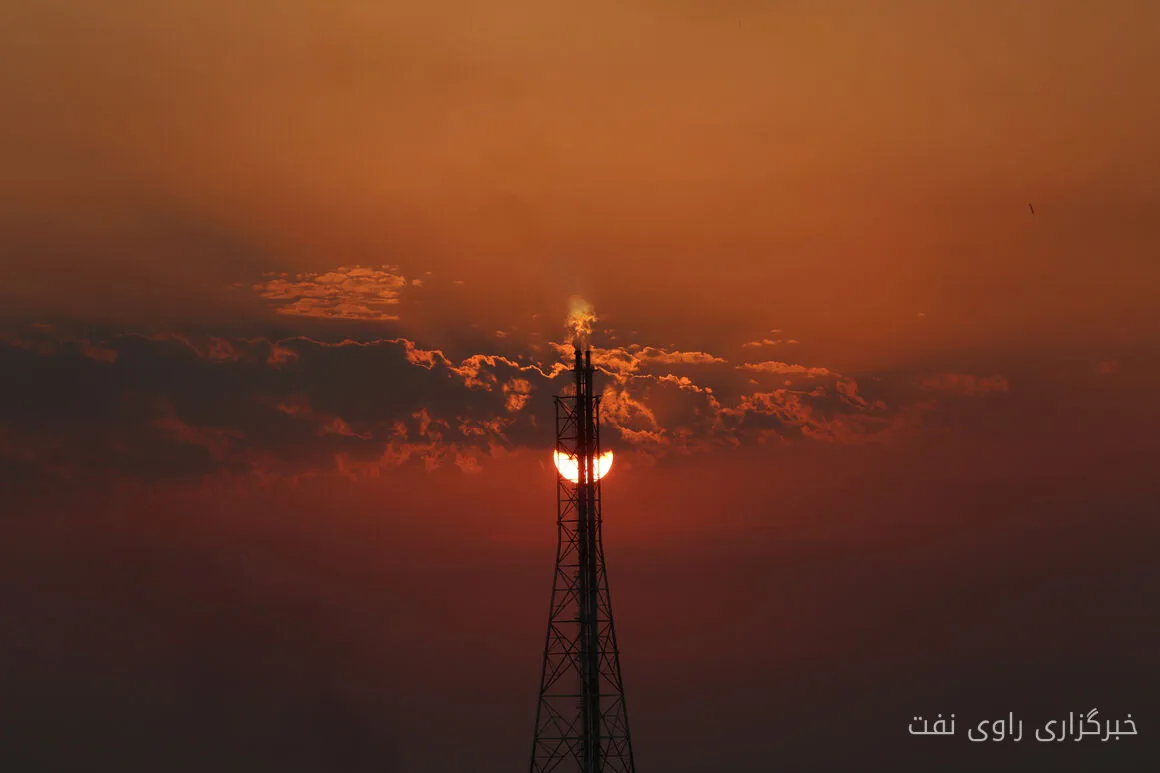
Mohammad Taghi Jafarzadeh, Deputy of Environmental Protection at the HSE Department of the Ministry of Oil, announced a reduction in the review and issuance time for permits for flare gas collection and recovery projects to less than 20 days. This change has occurred with the implementation of a new cooperation mechanism between the Ministry of Oil and the Environmental Protection Organization and is defined as a national action aimed at preserving hydrocarbon resources and reducing air pollution.
National Priority for Flare Gas Collection
Jafarzadeh stated: The collection and reduction of flare gas has been raised as one of the national priorities and has been put on the agenda with the emphasis of the President. These projects not only help reduce air pollution but are also effective in preventing resource wastage and managing gas imbalance.
Read more: Mohammad Behrami Emphasized the Importance of Developing Renewable Energies
The Deputy of Environmental Protection continued: With the increase in private sector participation in implementing these projects, the need for creating an efficient mechanism for reviewing and issuing environmental permits was felt. Therefore, the Ministry of Oil and the Environmental Protection Organization collaborated to expedite this process.
Memorandum of Understanding to Expedite Permits
In October 2025, a memorandum of understanding was signed between the representative of the Minister of Oil and the head of the flare gas collection working group and the Deputy of Human Environment at the Environmental Protection Organization. This memorandum is aimed at accelerating the review and resolution of environmental permits for flare gas collection projects.
According to this memorandum, flare gas collection and recovery projects will be categorized into three groups based on their environmental characteristics and requirements. These projects will be reviewed in a joint working group with the presence of experts from both organizations.
Jafarzadeh added: This mechanism aims to create more coordination, expedite expert reviews, and prevent parallel work while fully maintaining environmental requirements in the review of projects.
Issuance of Permits for Six Key Projects
So far, environmental permits have been issued for six projects including the sixth refinery of South Pars, the seventh refinery of South Pars, the Parsian gas refinery, the Ramshir operating unit, the Rag Sefid One operating unit, and the Ahvaz One Bangestan operating unit. The review and issuance time for these permits has been reduced to less than 20 days.
Jafarzadeh emphasized: The reduction in permit issuance time does not mean the elimination or reduction of environmental requirements, but this change has been made to increase efficiency and expedite decision-making.
Expediting the issuance of permits can accelerate the implementation of private sector projects for the collection and recovery of flare gas and help reduce pollutants and greenhouse gases and prevent the wastage of hydrocarbon resources.
The Economic and Environmental Importance of Flare Gas Collection
Jafarzadeh stated: Collecting flare gas and returning it to the production and consumption cycle is not only important from an environmental perspective but also has economic and energy management impacts and can be effective in managing gas imbalance.
The Deputy of Environmental Protection at the HSE Department of the Ministry of Oil said: This collaborative experience between the Ministry of Oil and the Environmental Protection Organization can serve as a model for expediting the review and implementation of other flare gas collection and recovery projects.
Read more: The Maritime Organization Emphasizes Effective Implementation of the Hong Kong Convention in Ship Recycling · Renovation of the Boilers of the Second Refinery of South Pars has been Completed