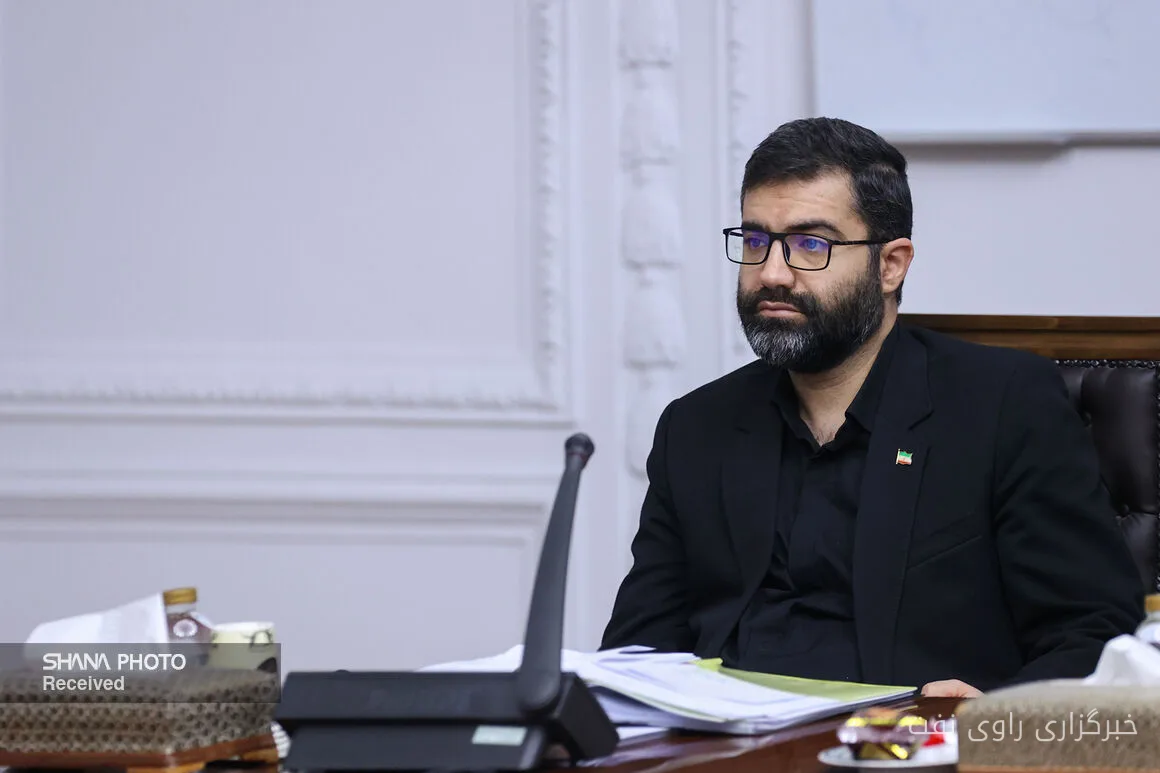
Ismail Saghab Isfahani, the head of the Energy Optimization and Strategic Management Organization, emphasized the importance of using knowledge-based technologies to reduce energy consumption in the country during the signing ceremony of a memorandum of understanding between this organization, the Vice Presidency for Science, Technology and Knowledge-Based Economy of the Presidency, and the Innovation and Prosperity Fund. This organization, established by the order of the President, will act as a reference for policy-making and regulation in the field of energy consumption management.
Current Energy Status and the Need for Reforms
Saghab Isfahani pointed out the country's performance in energy production, stating that despite sanctions, significant progress has been made in developing energy production capacities. However, he emphasized serious problems in the area of energy consumption, noting that the energy intensity index in the country is very high. This situation relates to all sectors, including production, economy, and transportation, and requires cooperation from all sectors for reform.
Read more: Development of the Ammonia Fuel Supply Chain in Collaboration with Seven Major Japanese Companies
He also emphasized that to change the current conditions, corrective programs must be implemented simultaneously in the energy sector in a balanced and coordinated manner. Saghab Isfahani noted that experience has shown that focusing on a single action is not sufficient, and a combination of several solutions leads to better results.
Strengthening Demand for Knowledge-Based Technologies
The head of the Energy Optimization and Strategic Management Organization referred to the scientific and technological capacities of the country and stated that developing knowledge-based services and utilizing new technologies is crucial to solving the energy consumption problem. He clarified that the country is not incapable of developing services and technologies; rather, the main issue is the weakness in technology demand.
Saghab Isfahani, referring to the objectives of the tripartite memorandum of understanding among the organizations, stated that the goal is to stimulate demand for knowledge-based services and new technologies to reduce energy consumption and increase efficiency. These three organizations are set to achieve this goal by collaborating without creating new structures.
He also emphasized the necessity of creating economic incentives for the use of new technologies, stating that mechanisms should be designed so that knowledge-based companies and applicants for technological services can easily access these services and be economically justified.
Saghab Isfahani added that the agreements are designed so that after six months, a report on the results of the actions taken will be presented. This report will include the level of demand for knowledge-based services and the increase in the supply of these services. He also referred to the extensive energy optimization capacities in the country, stating that energy waste can become an opportunity for economic growth.
Read more: REalloys Company Seeks to Build the Largest Heavy Rare Earth Metallurgy Facilities Outside China · Operationalizing GECF Agreements by the Iranian Embassy in Moscow