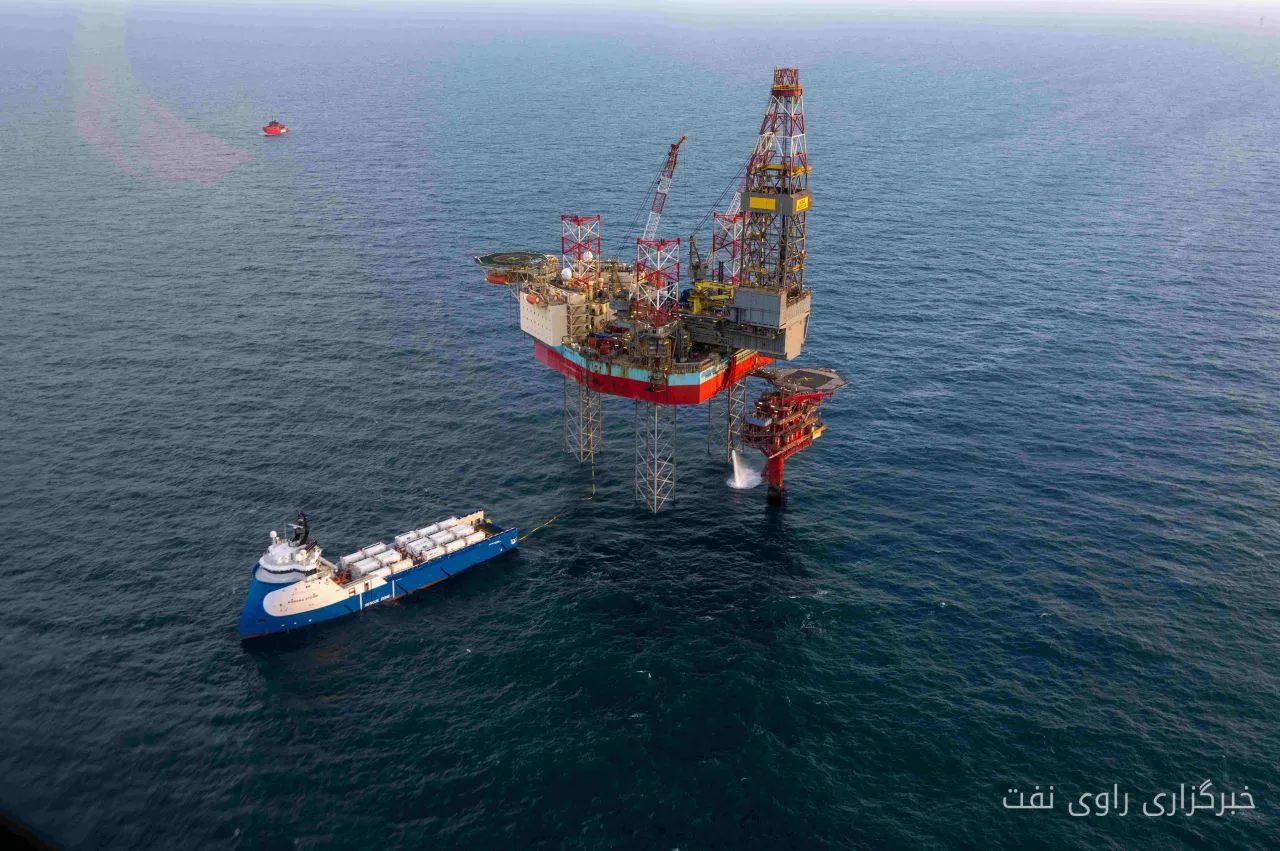
INEOS, the UK-based chemicals and energy group, has recently launched its carbon capture and storage project in Denmark. This project, known as Greensand, was inaugurated on Friday as the first complete CO2 storage site in the European Union. The ceremony was attended by King Frederik X of Denmark.
Details of the Greensand Project
The Greensand project is led by INEOS Energy and executed in collaboration with its partners, including Harbour Energy and the North Sea Fund (Nordsøfonden). In its first commercial phase, the project expects to store 400,000 tons of CO2 per year, with the potential to increase capacity to 4 to 8 million tons per year in later stages.
Read more: Zapt Technology Uses 3D Underwater Inspection for Gulf of America Campaign
The collected CO2 is primarily sourced from Danish biomethane plants. After capture, the CO2 gas is converted to liquid and transported by truck to a dedicated CO2 terminal at the port of Esbjerg. The gas is then injected into the Nini West reservoir using the Carbon Destroyer 1 ship, which is the first CO2 transport vessel in the European Union. The Nini West reservoir is an empty oil field located about 250 kilometers (155 miles) off the coast of Denmark and approximately 1,800 meters (5,900 feet) below the seabed.
Challenges and Implications of the Project
Sir Jim Ratcliffe, Chairman of INEOS, stated: "Europe cannot achieve its net zero target by shutting down factories and exporting jobs. We need solutions that allow industries to remain competitive while reducing greenhouse gas emissions. The Greensand project demonstrates that this is possible."
He also expressed hope that favorable conditions would be created for the rapid growth of carbon capture technology across Europe. This project is not only recognized as the first carbon storage site in the European Union but also serves as an example of industrial innovations aimed at reducing greenhouse gas emissions.
Additionally, the Northern Lights project in Norway, which includes major oil companies Equinor, TotalEnergies, and Shell, has previously been recognized as one of the successful carbon storage projects. This project has now increased its storage capacity from 1.5 million tons to at least 5 million tons of CO2 per year.
Read more: Cavotec and EVIAS Form Exclusive Partnership to Transform Electric Vehicle Charging in Ports · Convergence of Cyprus, Greece, Malta, and Italy on Maritime Carbon Regulations