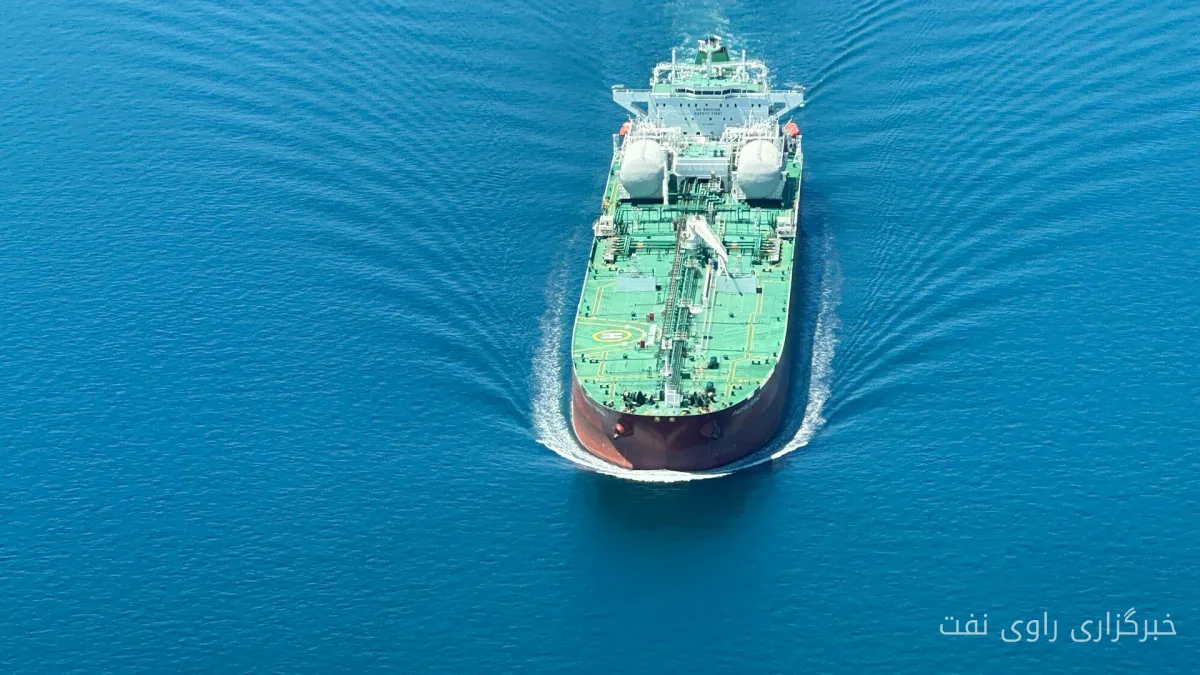
Insurance costs for oil transport vessels in the Black Sea have increased from around $200,000 to $2.5 million per ship in recent months. This increase in oil transport costs puts additional pressure on fuel prices in Bulgaria.
Reasons for the Increase in Insurance Costs
Auto Evgeny Semenov, the special commercial manager of Lukoil in Bulgaria, stated in an interview with Bulgarian National Television that this increase in costs is due to the rising risks for commercial transport following repeated attacks on ships and port infrastructure. According to reports, insurance costs have increased by 12.5 times, equivalent to an additional $2.3 million for each ship.
Read more: Shahram Ahmadi emphasized the necessity of professional qualifications for HSE managers
Impacts on the Oil and Transport Market
The London marine insurance market has also increased high-risk reporting requirements in September due to the critical situation in the Black Sea. Maritime travel in the territorial waters of neighboring countries, including Bulgaria, Romania, Georgia, and Turkey, is exempt from reporting requirements. However, war risk premiums are increasing transport costs for weekly voyages.
On October 6, two commercial vessels were targeted by drone attacks, resulting in the sinking of the Togolese-flagged ship, Alpha Vatan, and damage to the Palauan-flagged ship, Able. All 18 crew members of the Able were rescued. Bulgarian authorities have not yet specified who carried out these attacks. This sinking led Syria to request an independent investigation, as 10 crew members, including 9 Syrians, went missing.
Before the October attacks, transport costs were already on the rise. Reports indicate that daily earnings for tankers on the Novorossiysk to Augusta route reached a record $440,948 based on 135,000-ton oil shipments. Estimates show that this figure has increased by 140% since early July.
The Burgas oil refinery in Bulgaria continues to receive oil shipments, and Semenov has stated that there have been no cancellations of deliveries and suppliers are secured until early December. He also defended Bulgaria's decision to lift diesel export restrictions. Semenov stated that this facility produces more diesel than the domestic needs, and preventing the sale of surplus production abroad could lead to a reduction in crude oil processing.
Read more: OPEC lowered its forecast for oil demand growth for 2026 · Continued disruption in Black Sea wheat exports to Egypt and Bangladesh