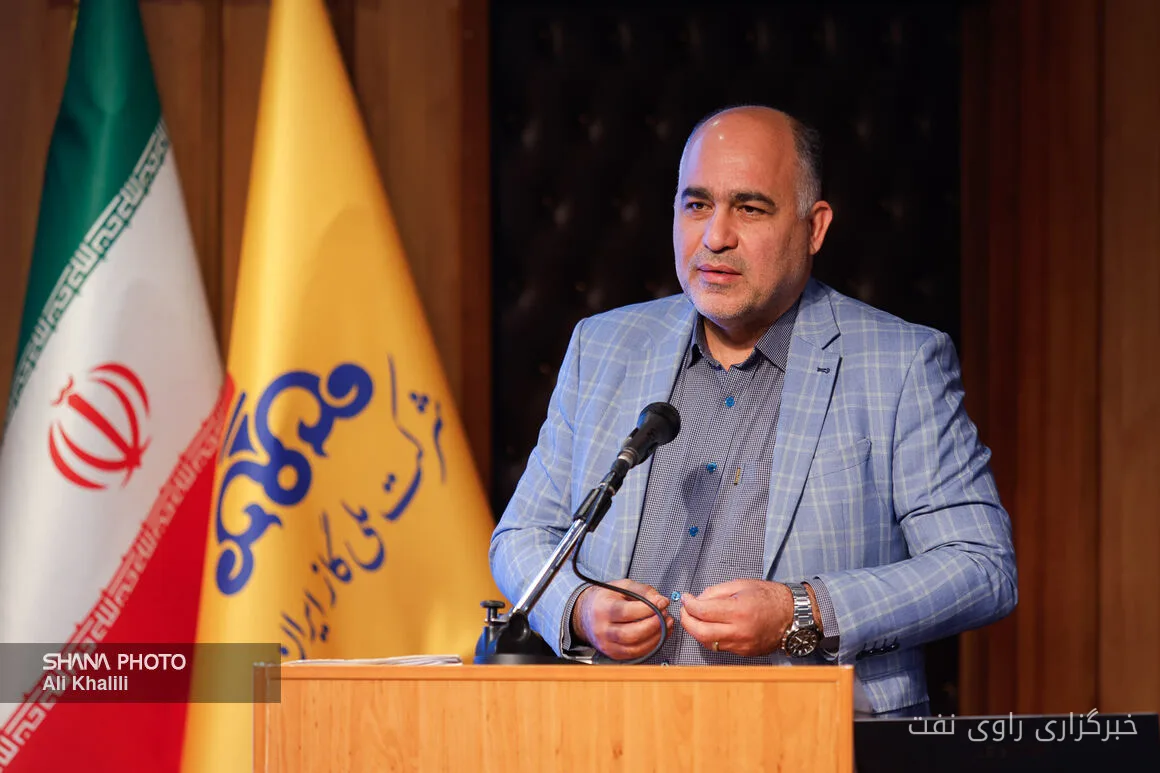
Shahram Ahmadi today (Tuesday, October 20) at the commemoration meeting for Firefighters and Safety Day emphasized the necessity of shifting from "traditional oversight" to "strategic governance." Analyzing recent accidents, he stated that HSE activities have been effective so far, but to move beyond the current situation and achieve single-digit accident statistics by 2027, strong and new drivers are needed.
Need for Accurate Implementation of HSE Guidelines
The Director General of Health, Safety, and Environment (HSE) at the Ministry of Oil emphasized the need for precise implementation of the "Organizational Structure and Passive Defense Guidelines in the Oil Industry" document to clarify roles and responsibilities. Ahmadi added that when specialized personnel face a "growth barrier" at the lowest organizational levels, they are forced to seek alternative paths and may leave the oil industry.
Ahmadi continued: Working in the HSE field is based on field experience, and one cannot replace an experienced individual with a brochure or short training. Improving the quality of HSE organization performance depends on resolving uncertainties and creating a clear career path for the growth and advancement of personnel.
Change in the Role of HSE Managers
Regarding the change in the role of HSE managers, he stated: The era of safety management based solely on familiarity with HSE regulations has ended. Today's HSE manager must possess professional competence and, in addition to technical expertise, must master contractual and financial principles, concepts of profit and loss, and behavioral and managerial competencies.
Ahmadi criticized traditional approaches, considering "safety governance" as a replacement for previous approaches, adding: This model is a combination of guidance, oversight, and support and must be implemented throughout the entire value chain, from design and bidding to operation and documentation.
He referred to occupational and professional risks, such as falls from heights, and operational and process risks, such as tank explosions. Ahmadi emphasized that most major accidents occur due to non-compliance with standard requirements during the design phase.
The Director General of Health, Safety, and Environment (HSE) at the Ministry of Oil, referring to cooperation with the Oil Industry University to train process safety specialists, emphasized the necessity of practical commitment from managers and warned that contradictory behaviors from managers can undermine the organization's safety culture.



