The COP31 United Nations conference on climate change will take place from November 9 to 20, 2026, in Antalya, Turkey. The host country will invite the attending nations to join a voluntary commitment to reach 35% global electrification by 2035.
Challenges and Opportunities in the Energy Market
This goal may have seemed very ambitious a year ago, but now experts say that several factors, including fluctuations in the oil and gas market due to the war in Iran and significant advancements in clean energy technologies, have made this goal attainable. The prolonged closure of the Strait of Hormuz has accelerated the transition to clean energy and the global electrification rate.
Before the commencement of military operations by the United States and Israel in Iran in February of this year, one-fifth of the world's oil and gas trade passed through the Strait of Hormuz. The sudden closure of this strait has disrupted global oil and gas markets and pushed energy-importing countries to seek alternatives that can be produced and controlled domestically. In this context, renewable energies have become the new symbol of energy security.
The Role of Energy Storage Technologies
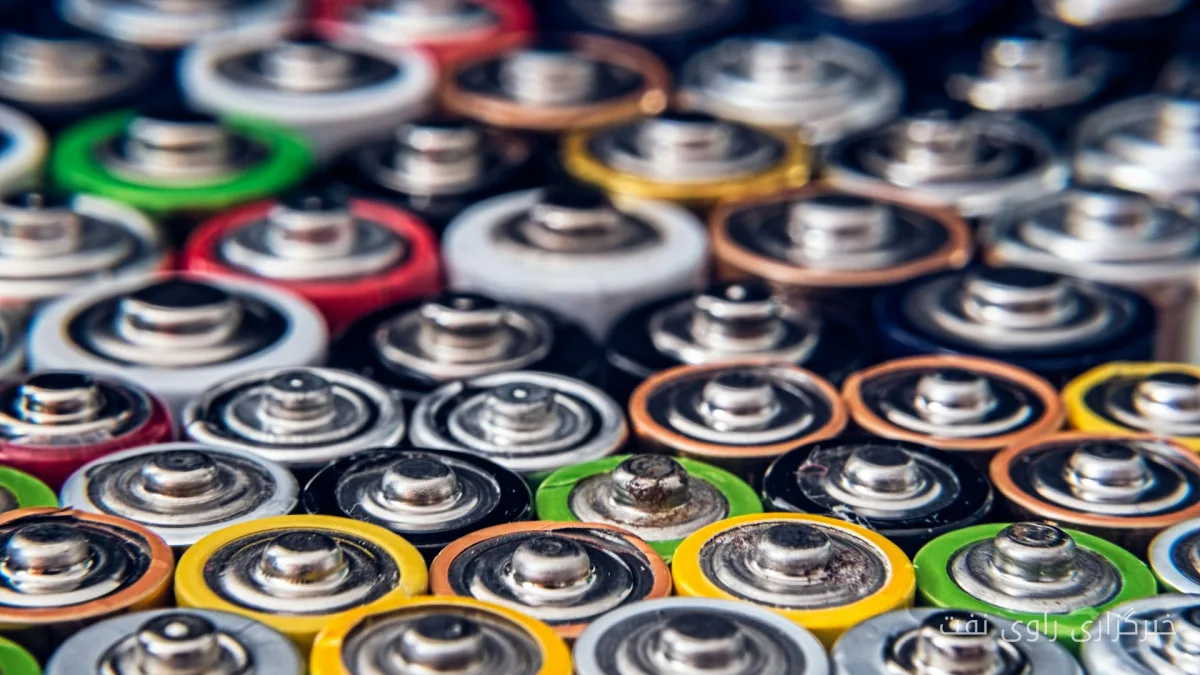
Energy storage is essential to ensure grid stability against rapid electrification and to increase the share of unstable energy sources like wind and solar in the national energy mix. Major advancements in this sector in recent years have made battery storage more affordable and scalable than ever. Reports indicate that in the second quarter of this year, the United States experienced the largest expansion of energy storage with a capacity of 20.2 gigawatt-hours.
This figure brings the total new capacity for this year to 30.8 gigawatt-hours. Despite President Trump's lack of support for renewable energies or batteries, industrial-scale energy storage capacity has nearly doubled, reaching 165 gigawatt-hours from 88 gigawatt-hours in the first 18 months of his presidency. Grid operators, utility companies, and data center developers are rapidly purchasing batteries to meet electricity demand and improve grid reliability.
Despite Trump's efforts, the United States is experiencing one of the largest clean energy booms in its history as solar and wind energies have become so cheap that they cannot be ignored. This trend is not limited to the United States, as poorer countries around the world have also undergone clean energy revolutions. Reports indicate that Pakistan has become one of the fastest countries in installing solar panels and batteries.
Read more: The Wooraknabial Wind Farm in Victoria, Australia, Approved · LR Tankers Reviewed the Status of Naphtha Transport