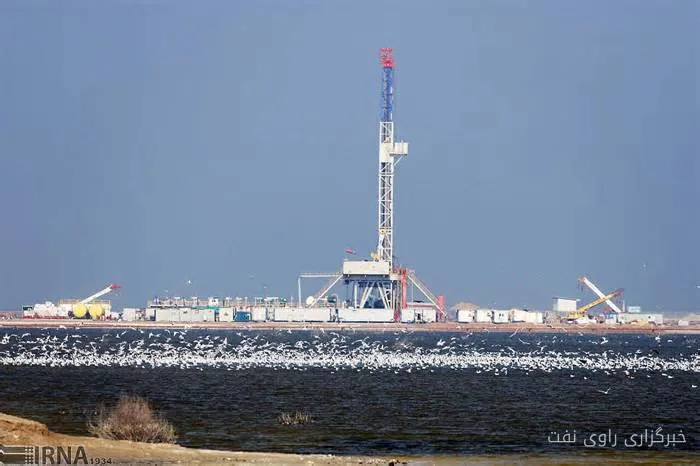
The Director General of Environmental Protection in Khuzestan, emphasizing the importance of Hawr al-Azim and the need to protect this ecosystem, called for scientific studies and investigations into the impacts of oil activities in this region. He particularly stressed the importance of examining the effects of oil activities in the Sohrab oil field, which has a production capacity of 10,000 barrels of crude oil per day.
The Necessity of Investigating Oil Impacts on Hawr al-Azim
Hawr al-Azim, recognized as one of the largest and most important wetlands in Iran, is known as a sensitive ecosystem rich in biodiversity. This wetland is not only ecologically significant but also serves as a water source and a natural habitat for various plant and animal species. Therefore, preserving and maintaining this ecosystem is vital to prevent negative consequences arising from oil activities.
Negative Impacts of Oil Activities
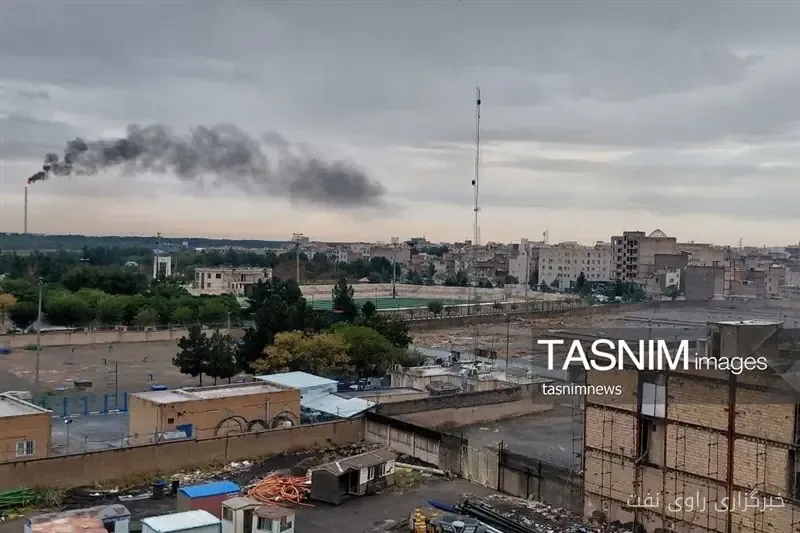
Oil activities around Hawr al-Azim can have significant negative impacts on the water and soil quality of this area. Oil spills and chemicals resulting from extraction and transportation can lead to water source pollution and the destruction of natural habitats. These pollutants can negatively affect the biodiversity of the wetland and lead to a decline in the populations of various animal and plant species.
The Director General of Environmental Protection in Khuzestan noted that scientific investigations in this area could help clarify and better understand the impacts of oil activities, emphasizing that this issue requires cooperation among various entities, including oil companies, environmental organizations, and universities, to analyze and assess these impacts with a scientific and documented approach.
Inter-Organizational Cooperation for Wetland Protection
To protect Hawr al-Azim and respond to challenges arising from oil activities, inter-organizational cooperation is necessary. The Director General of Environmental Protection in Khuzestan stressed that programs must be developed for monitoring and assessing the environmental status of this wetland. These programs should include conducting environmental assessments before and after oil activities to minimize the negative impacts of these activities on the wetland ecosystem.
Thus, with an emphasis on the necessity of conducting scientific studies and cooperation among various entities, it is hoped that the environmental status of Hawr al-Azim can be improved and this unique ecosystem can be preserved.
Read more: The European Union continues to oppose oil and gas development in the Arctic · Russia will export 2 million and 150 thousand tons of diesel in November