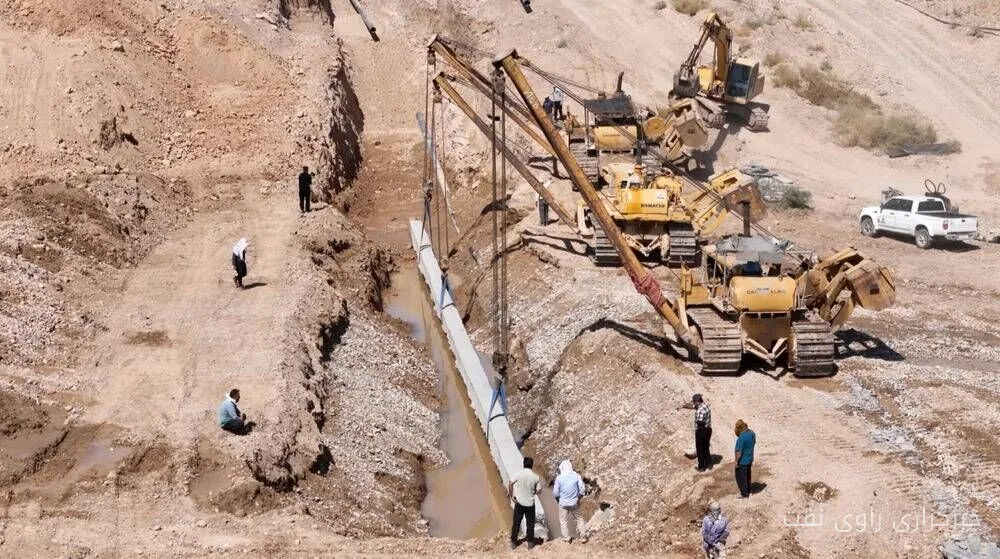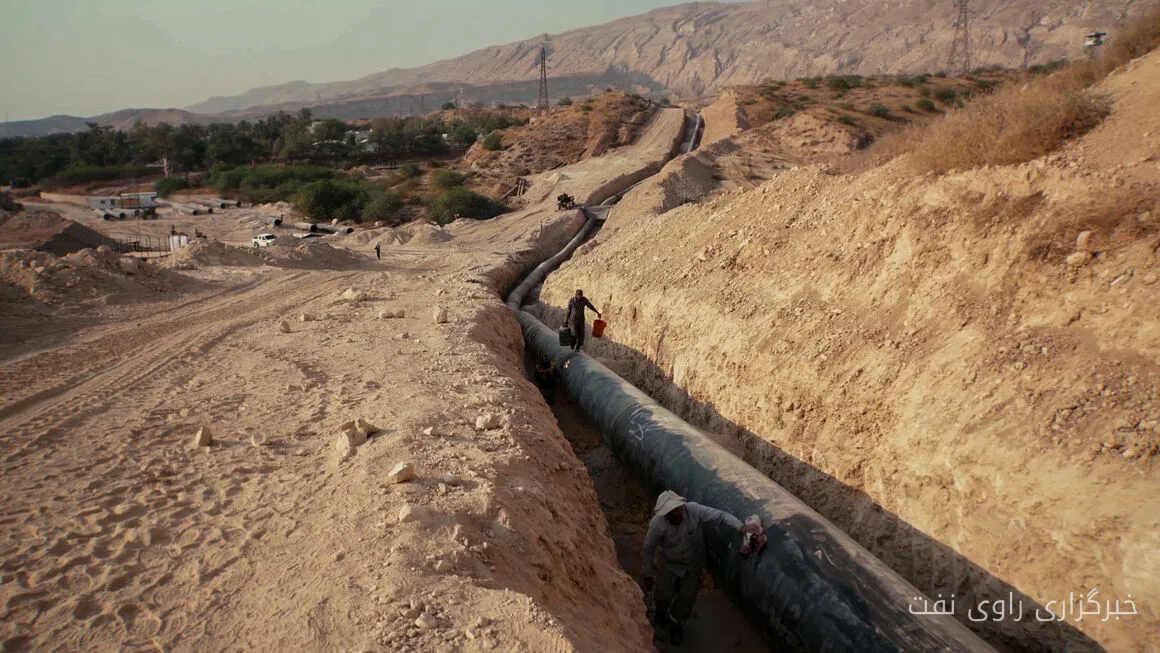
The "Gas Separation" project of Fajr Jam Refinery has reached the execution stage with 60% progress. This project, which was initiated to preserve production and optimally manage the incoming flows to the refinery, will help change the pressure conditions of the received gas and eliminate operational bottlenecks in this unit.
Details of the Gas Separation Project
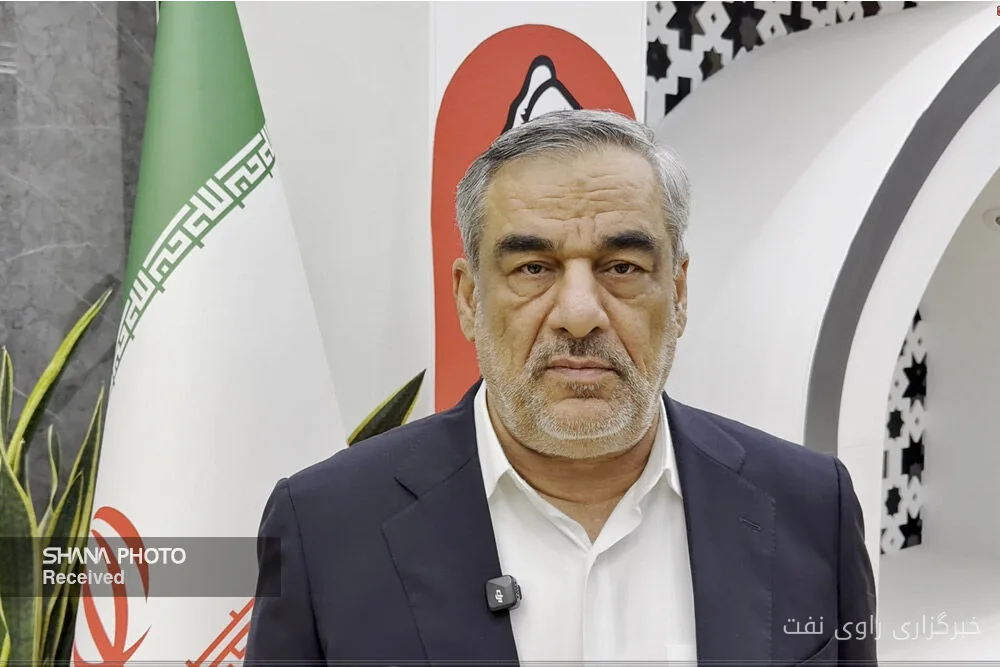
Hamid Khodari, CEO of Fajr Jam Gas Refinery, pointed out the start of this project a few months ago, stating: "This project is designed to create two independent sections with different pressure conditions." This separation allows the refinery to receive and process gas under better conditions and achieve maximum existing capacities.
Read more: Brent oil price jumps to $116 and Bitcoin falls below $81,000
Challenges of Gas Pressure in Kangan Field
Khodari also referred to the natural decline in gas reservoir pressure in the Kangan field, saying: "In recent years, despite technical measures including phase separation optimization, the pressure of this reservoir has shown a decreasing trend." He added that the high pressure of gas received from other areas, especially the shared South Pars field, has led to a phenomenon known as reverse pressure, which prevents the maximum reception of low-pressure gas from the Kangan field.
The CEO of Fajr Jam Gas Refinery explained that these conditions lead to a reduction in flow velocity in the pipelines and further decline in dynamic pressure. Currently, the establishment and operation of pressure boosting stations for the Kangan area is not feasible, and therefore, the execution of the gas separation project has been prioritized as an operational solution.
Execution Areas and Expected Results
Khodari continued by detailing the execution aspects of this project, stating: "The operational activities include process modifications within the refinery and changing the flow paths of the gas." The produced gas will be independently connected to the 56-inch national pipeline after passing through the metering unit. With the implementation of this project, Fajr Jam Refinery will be transformed into two independent units with different pressure conditions.
This operational separation, in addition to reducing the impacts caused by reverse pressure, will provide a more flexible management of gas processing and increase the receiving capacity from the covered gas fields. Khodari concluded by noting that the implementation of this project could play a significant role in the sustainability of production and optimal utilization of existing refinery capacities, facilitating a more stable gas supply, especially in the cold months of the year.
Read more: Brent oil price rises to $114.23 due to infrastructure crisis in Saudi Arabia · The caretaker of the Ministry of Oil visited Assaluyeh