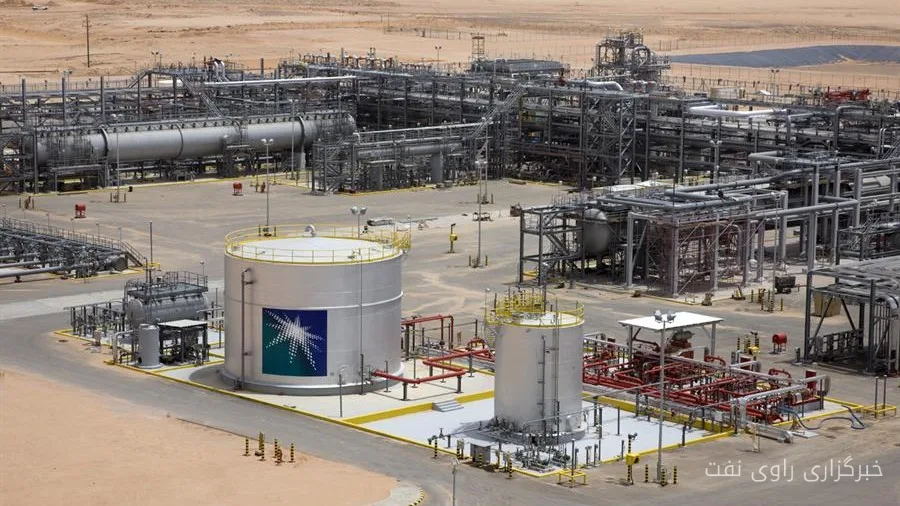
New estimates of the dry charter time for oil fields in September 2026 have been released, indicating a significant increase in this time compared to previous periods. These changes could affect the planning and decision-making of oil companies and will require a reassessment of operational strategies.
Details of the Dry Charter Time Estimate
According to new estimates, the dry charter time for oil fields in September 2026 has reached an average of 12 days. This time shows a significant increase compared to last year, which was 8 days. The increase in dry charter time is attributed to various reasons including changes in demand, rising transportation costs, and environmental restrictions.
Read more: Reduction of Tanker Traffic in the Strait of Hormuz to Four Vessels
Consequences of Increased Dry Charter Time
The increase in dry charter time can have multiple impacts on the oil and gas industry. On one hand, this issue could lead to increased operational costs, and on the other hand, it could affect the response time to market needs. Especially in conditions where the oil market faces price volatility, oil companies must plan carefully to leverage these changes to their advantage.
Major oil companies should consider that these changes are not limited to the fields themselves, but also extend to the supply and distribution chain. Therefore, a thorough market analysis and alignment of strategies with the new conditions are of great importance.
Read more: Saudi Arabia Seeking New Oil Export Routes · Jalil Sabhani Accused of Multi-Million Dollar Fraud in the Petrochemical Industry