The Saudi oil supply crisis is rapidly becoming a problem for Europe. The September 10 attacks on the East-West pipeline in Saudi Arabia have damaged the system at several points and destroyed at least one pumping station. These attacks have forced Riyadh to shut down its vital route instead of the Strait of Hormuz.
Details of the Petroline Pipeline
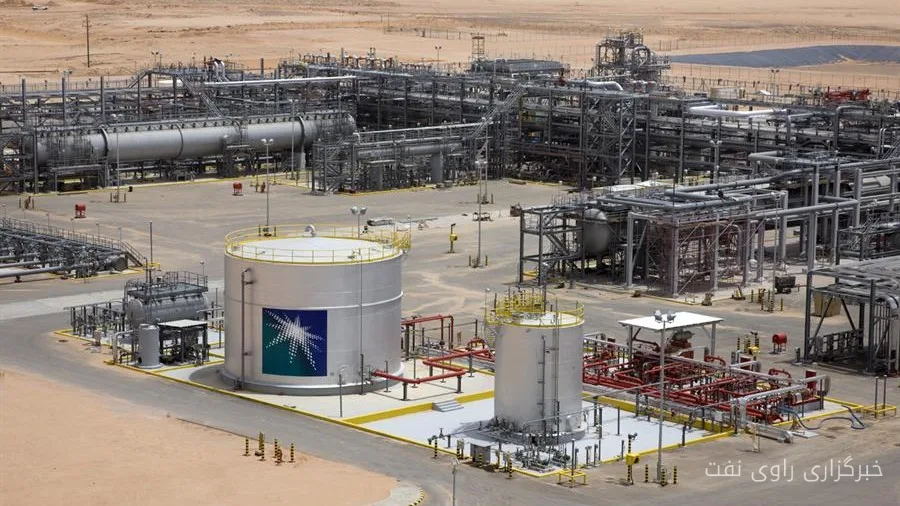
The Petroline pipeline, which is 1,200 kilometers long, can transport about 7 million barrels of oil daily from the eastern production areas of Saudi Arabia to Yanbu on the Red Sea. Since the closure of the Strait of Hormuz due to war, this pipeline has become one of the most important energy infrastructures in the world. Estimates indicate that before these attacks, the pipeline was transporting an average of about 4 million barrels of oil per day through the Strait of Hormuz.
Read more: Saudi Arabia Reduces Oil Shipments to Europe
Consequences of Oil Supply for Europe
A temporary shutdown could ultimately threaten 3.54 million barrels per day of Saudi crude oil exports. This figure is less than the nominal capacity of the Petroline as Saudi Arabia can still export a small amount of crude oil from eastern terminals like Ras al-Tanura, despite severe restrictions on maritime transport in the Persian Gulf.
The immediate issue is oil storage. Estimates indicate that crude oil inventories in Yanbu have dropped below 15 million barrels, nearing their lowest level since 2018 compared to nearly 21 million barrels in July. At an export rate of 3.5 million barrels per day, these reserves are only theoretically sufficient for just over four days.
Additionally, Saudi Arabia can utilize its global storage network, but sustained exports from the Red Sea ultimately require fresh crude oil to reach Yanbu. The greater risk is where this conflict leads. Saudi Arabia has stated that the drones that attacked the Petroline originated from Iraq, increasing the likelihood of retaliation against Iranian-backed Iraqi militants.
Meanwhile, another front is rapidly developing in Yemen. Houthi forces are strengthening their troops and equipment around Marib by seizing the Red Sea coasts of Yemen and gaining momentum, raising concerns about another major attack. Marib is particularly significant as it remains one of the main strongholds of the internationally recognized Yemeni government and includes large oil and gas fields, military bases, and an important power station.
Furthermore, Saudi Arabia has informed its European customers that some September shipments will be canceled or delayed, while loadings in Yanbu have stopped. Reports on this matter indicate that at least three European refineries have canceled or delayed their shipments, in some cases postponed until November.
Can Europe replace these barrels? The answer is yes, but at a higher price. The main options include North Sea crude, barrels from the Gulf of Mexico region like WTI Midland, Kazakhstan, Algeria, Guyana, Brazil, and West Africa. The problem is that Asian refineries, also affected by the same disruptions in the Middle East, are competing for many of these barrels. Therefore, Europe will be forced to pay double the costs of crude oil and higher shipping costs.
Read more: Decrease in Tanker Traffic in the Strait of Hormuz to Four · Closure of Saudi East-West Pipeline Affects Oil Exports