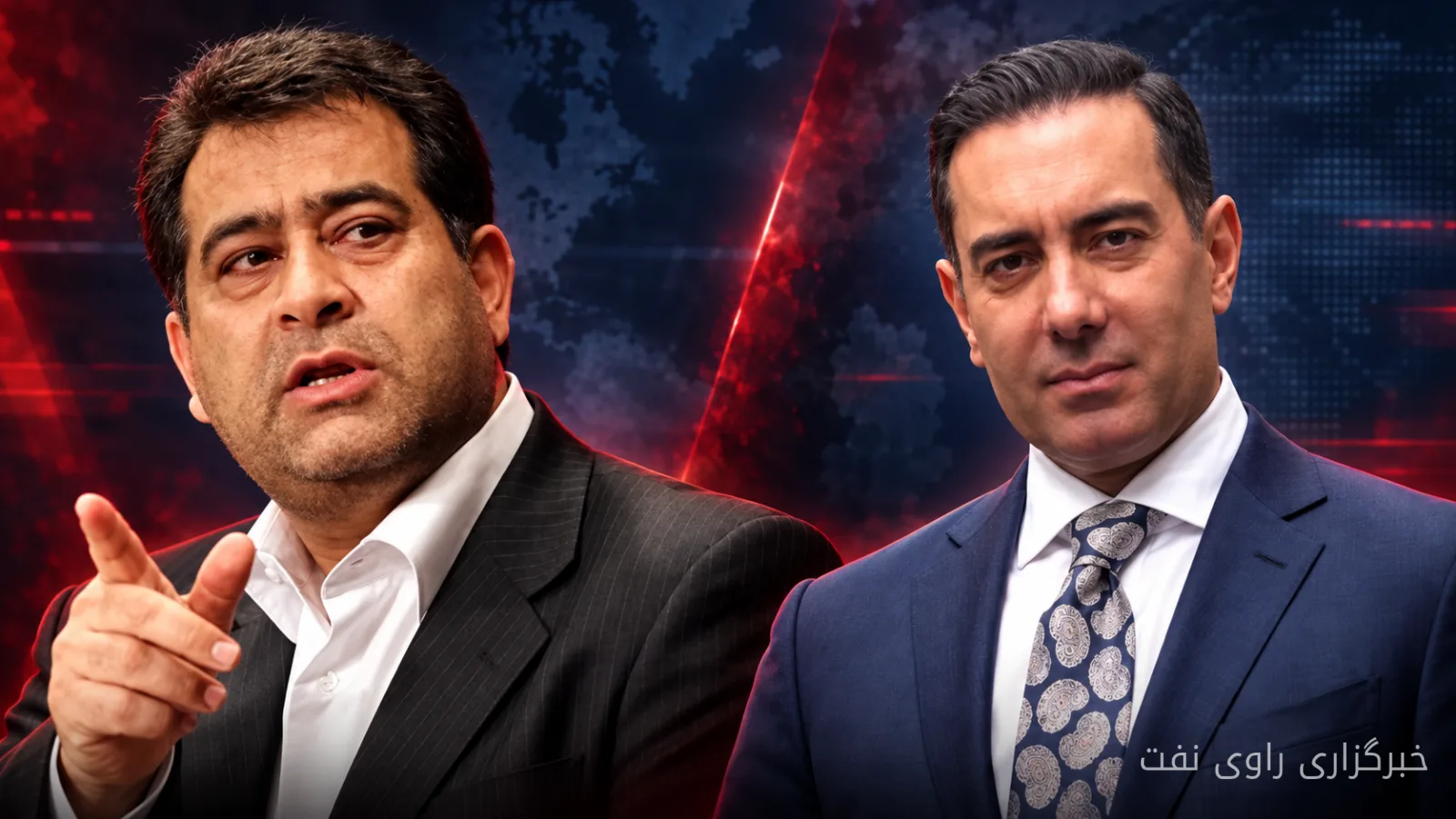
Jalil Sobhani, former director of Spak Company, has once again come under the media spotlight. He is accused of multi-million dollar frauds in the petrochemical industry and being involved in controversial relationships and ethical scandals. According to available documents, Sobhani has caused significant financial losses to small companies by producing and selling low-quality raw materials.
It is reported that in just the past two months, he has managed to defraud between 3 to 5 million dollars. Meanwhile, Sobhani has used a network of exchange offices in Dubai and Canada to transfer funds obtained from circumventing sanctions and money laundering to foreign accounts.
Read more: Nouri Petrochemical has started producing Euro 6 diesel
Suspicious Relationships and Ethical Corruption
This is just one part of Sobhani's controversial case. He is also notorious for unethical relationships and sexual corruption. Reports indicate that Sobhani has even held immoral and group sex parties at his partnership home with Mehr Sadeghi.
Mehr Sadeghi, one of Sobhani's close partners, has also been mentioned in these cases. He is accused of collaborating in these corruptions and even attempting to pressure and threaten the involved women. In another case, evidence has been found of Sobhani's efforts to conceal his Iranian identity and use foreign passports for illegal transactions.
Dimensions of Corruption in the Petrochemical Industry
These scandals have been widely reported, and a big question remains: will justice be served? Can the judiciary stand against the power and influence of such individuals? This report is just the tip of the iceberg of widespread corruption in Iran's oil and petrochemical industry. With the disclosure of this information, there is hope that the judiciary and international institutions will take necessary actions to end these corruptions and enforce justice.
Currently, it is expected that judicial and regulatory bodies will pay special attention to this case and take necessary actions to investigate and address these corruptions. Especially in a situation where corruption in the petrochemical industry has severely impacted the production and supply of raw materials for this industry and could harm the country's economy.
Given the high volume of violations and corruptions present in this case, broader investigations are likely to be initiated. Regulatory bodies must conduct a more thorough examination of the business and financial relationships of Jalil Sobhani and his associates and take necessary measures to prevent the recurrence of such corruptions in the future.
Ultimately, it should be noted that enforcing justice against such corruptions requires serious determination and cooperation from all relevant institutions. Only in this way can we hope for a reduction in corruption in the petrochemical industry and an improvement in the country's economic conditions.
In the tumultuous world of oil and petrochemicals, the name Jalil Sobhani has become synonymous with a fake catalyst broker. He, who presents himself as one of the key investors in this industry, has signed over $2 billion in catalyst manufacturing contracts with petrochemical companies and refineries. But what lies behind these contracts?
Suspicious Trade with Chinese Catalysts
According to available evidence, Sobhani delivers Chinese catalysts under the guise of Iranian catalysts to petrochemical companies. This not only constitutes a form of fraud but also clearly indicates widespread corruption in this industry. Can anyone stop these brokering activities?
Sobhani's billion-dollar trades continue while he has recently invested in Toronto, seemingly transferring assets to Canada. This action raises many questions about his true intentions. Is he trying to escape legal prosecution, or does he have other plans?
Mehshad Sobhani, Daughter of the Big Broker
The daughter of Jalil Sobhani, Mehshad Sobhani, also plays a significant role in this affair. With profitable investments abroad, she seems to be trying to preserve the family's assets away from the eyes of the law. Is this merely a move to secure her and her family's future, or is there a hidden agenda behind these transfers?
This story is not just about a specific individual; it somewhat represents systemic corruption in Iran's petrochemical industry. While millions of tomans of the country's assets are lining the pockets of brokers and corrupt individuals, is it not time for officials to address this issue?
Read more: Venezuela's crude oil exports reached 1.15 million barrels per day · Destruction and threats in oil company management