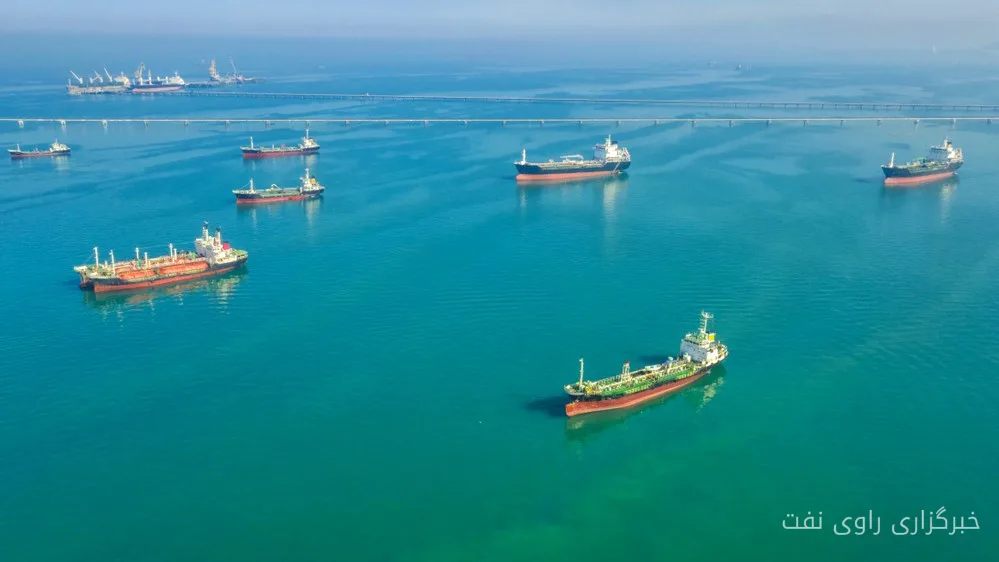
Tanker traffic in the Strait of Hormuz reached four vessels on Tuesday, down from seven vessels the previous day. The absence of large tankers and new restrictions on movement have exacerbated this decrease.
Details of Tanker Traffic
According to ship tracking data, two tankers entered the Strait of Hormuz on Tuesday, and two others exited the area. None of the four tankers present in this strait were large crude carriers or LNG carriers; one was carrying liquefied petroleum gas and the other was loaded with naphtha. The 10-day moving average of tanker traffic in this area is reported to be 18 vessels.
Read more: Icthis Energy Sells Part of Its Permian Assets
Factors Affecting Traffic
Tanker owners and energy exporters are exercising greater caution in passing through the Strait of Hormuz due to escalating tensions and recent attacks on tankers. Recent Houthi attacks on critical infrastructure in Saudi Arabia, including the East-West pipeline, have led to the cancellation of oil loadings from Yanbu. Additionally, it seems that Saudi Arabia is looking to increase shipments through the Strait of Hormuz, while the Houthis have gained more control over the Bab el-Mandeb Strait.
Reports indicate that the time required to repair Saudi Arabia's East-West pipeline varies from a few days to several weeks. Tanker traffic in this strait has decreased over the past few weeks, with 10-day moving averages dropping from double digits to less than 10 vessels. Even if the number of passing tankers in an off state is similar to visible tankers, the rates remain very low.
Read more: National Company for South Oilfields and Reduction of Flaring Gas · Iran States Return to the Strait of Hormuz Depends on U.S. Conditions