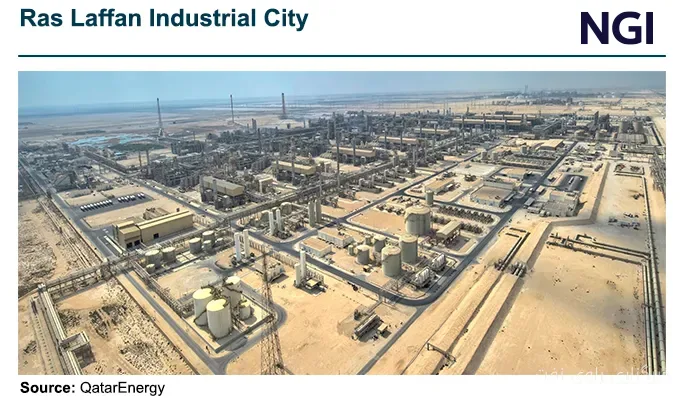
Global natural gas prices fell on Monday following a series of meetings among world leaders and new hopes for diplomacy in the Middle East. This comes as tensions and conflicts in the region persist, complicating the supply of liquefied natural gas (LNG).
Forecasts and Factors Affecting Pricing
Analysts believe that political and economic pressures in the Middle East, particularly in gas-producing countries, have caused price fluctuations. Despite rising tensions, markets are looking for signs of positive diplomacy among the involved countries. These hopes have contributed to the price decline.
Read more: The future of the automotive industry depends on stable policymaking and investment
Reports indicate that in recent weeks, demand for natural gas has increased, but major producers like Qatar and the United States are still able to meet global needs. Qatar's liquefied natural gas production capacity reaches 77 million tons per year, making it one of the largest natural gas suppliers.
Economic Impacts and Consequences
The price decline could have significant impacts on the economies of gas-exporting countries. Particularly, Middle Eastern countries that heavily rely on gas exports may face new challenges. For example, Iran, with rich gas fields such as the South Pars field, is seeking to attract new investments to expedite the development of its fields.
With the decline in global prices, more countries will turn to energy supply from renewable sources. This shift could benefit the environment, but at the same time, it poses challenges for gas-producing countries. In this context, governments must seek solutions to maintain economic stability and ensure sustainable energy supply.
Read more: The free conversion plan of internet taxis to dual-fuel has begun under the management of Saeed Rahmansalari · Energy consumption management at Pars Oil and Gas Company



