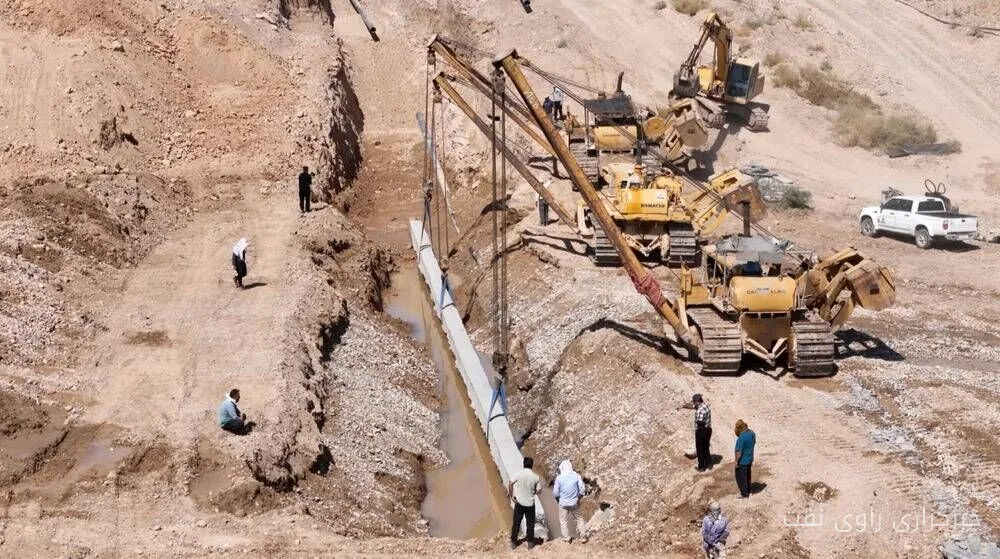
The bank accounts of the National Iranian Oil Company have been blocked due to a lawsuit by the Industry and Mine Bank over old debts. This situation has once again highlighted the financial challenges of this company and has affected current payments, including employee salaries and contractor claims.
Financial and Managerial Challenges
The blocking of the National Iranian Oil Company's bank accounts has raised questions about how debts are managed and coordination among government entities. This issue arises while the National Iranian Oil Company is at the heart of the country's oil revenue chain, and any disruption in its financial operations can have widespread effects on the oil industry and the country's economy.
Read more: Increase in LNG Ship Traffic in Hormuz with Increased Dark Loadings from Qatar
Decline in Oil Prices and Political Impacts
On another note, the decline in oil prices following the visit of Asim Munir, the Chief of Army Staff of Pakistan, to Tehran, has attracted market attention. The price of Brent oil has decreased from $112 to $105 per barrel. This price drop likely indicates changes in the negotiation landscape and a reduction in political tensions, although other factors have also influenced this decline.
Uncertainty in the Fuel Additives Market
The fuel additives market is also facing uncertainty. Reza Nawaz, the spokesperson for the fuel station sector, has announced the end of the deadline for organizing this market and warned that if the current situation continues, the names of those involved will be published. Meanwhile, the lack of standards and fixed prices for these additives has raised serious concerns among consumers.
New Pricing Guidelines in the Refining Industry
The new guidelines from the National Iranian Oil Refining and Distribution Company for calculating the rates of feedstock and petroleum products are also being implemented. These guidelines are particularly significant for the refining industry due to fluctuations in global prices and will impact the financial calculations of refineries.
Ultimately, the failure of the U.S. government to control diesel prices has become one of the fundamental challenges for the country. This issue indicates that even the world's largest economy is affected by fuel price fluctuations, and rising energy costs can be transferred to other economic sectors.
Read more: The Maritime Transport Market Affected by Houthi Attacks and Rising Oil Prices · Donald Trump Accused Iran of Raising Oil Prices