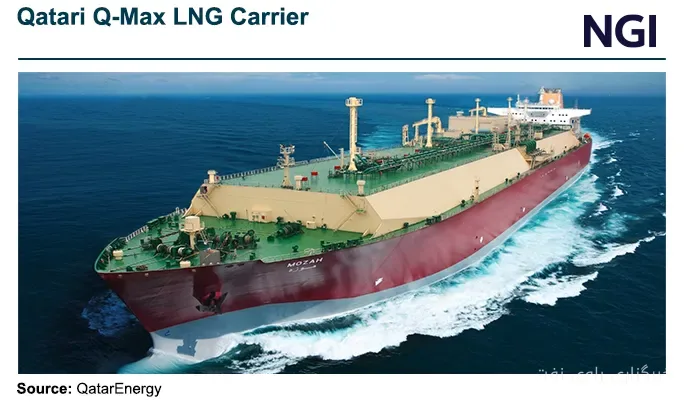
Qatar has significantly increased dark loadings of LNG (liquefied natural gas), allowing LNG ships to load their cargoes without sending identification signals. This action in the Strait of Hormuz, one of the most important energy transit points in the world, will have profound effects on the global energy market.
Details of Dark Loadings
Dark loadings refer to loadings where LNG-carrying ships conduct cargo operations without sending identification signals. This method allows Qatar to present its cargoes to global markets with minimal transparency. According to available information, Qatar, as one of the largest LNG producers in the world, has a production capacity of over 77 million tons per year.
Read more: Brent oil price rises above $113 due to geopolitical tensions in the Persian Gulf
Consequences and Global Dimensions
The increase in dark loadings by Qatar could have widespread effects on global LNG prices and the supply and demand dynamics of this market. In recent years, due to the rising demand for liquefied natural gas, especially in Asia, Qatar has become a key player in this field. Given that the Strait of Hormuz is considered one of the main energy transit routes, the increase in LNG ship traffic from this region could strengthen Qatar's position in global markets.
According to statistics, about 20 percent of the world's LNG is transported through the Strait of Hormuz. With the increase in dark loadings, we are likely to witness changes in the distribution of these resources. This issue could have significant impacts on global competition in the LNG market, especially during times of energy crisis.
Read more: The Navy of the Revolutionary Guard targeted four oil tankers in the Persian Gulf · Commercial ships continue to pass through the Strait of Hormuz despite recent incidents