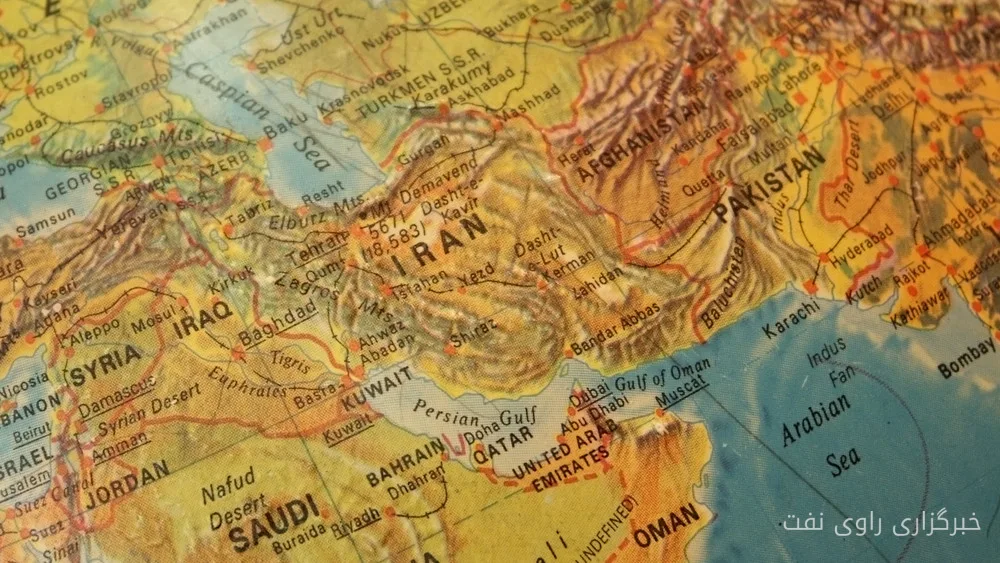
The United States and Iran have resumed negotiations to resolve the dispute in the Strait of Hormuz. These talks aim to revive an agreement that temporarily ended the war in June and includes reopening the Strait of Hormuz and reducing US sanctions.
Details of the New Negotiations
The recent negotiations in New York focus on a phased plan in which Tehran commits to resuming commercial transport through the Strait of Hormuz, while Washington gradually reduces Iran's trade restrictions. Access to Iran's frozen assets is also being discussed at this time. Despite these developments, the United States has recently imposed new sanctions on Iranian flights.
Read more: The Hormuz Crisis Will Have a Deep Impact on the LNG Market
Regional Ceasefire Proposal and Challenges
Iran has proposed a regional ceasefire for 60 days and a timeline for negotiations on remaining disputes. Qatar, Pakistan, and Egypt have acted as intermediaries in these negotiations. Tehran has also indicated it may show flexibility regarding the fees imposed on maritime transport, moving this issue to a separate annex so that its acceptance by the United States is not a primary condition of the agreement.
However, Iran continues to insist on administrative control over the Strait of Hormuz. Former US President Donald Trump has stated that no reduction in sanctions will occur before sufficient goodwill is shown by Iran. Meanwhile, Tehran has emphasized that the Strait of Hormuz will not be reopened until US military pressure is reduced and sanctions are lifted.
Gulf countries are also seeking independent negotiations with Tehran and do not want the security of the Strait of Hormuz and the region to depend on bilateral agreements between the United States and Iran. Additionally, 80 countries issued a statement on Thursday calling for the reopening of the Strait of Hormuz without fees, conditions, or costs.
Infrastructure Development and Transport
Meanwhile, the United Arab Emirates is developing an alternative route to the Strait of Hormuz to facilitate commercial traffic. The "Union" railway project has launched a new freight service connecting the Port of Fujairah, located in the Gulf of Oman, to the industrial center of Abu Dhabi. This route allows importers to bring goods into the UAE without needing to pass through the Strait of Hormuz.
Furthermore, Saudi Arabia is also looking to increase its freight capacity and has ordered 780 freight cars from American manufacturer Greenbrier. These efforts reflect the increasing urgency of Gulf countries to develop transportation networks that can move goods when maritime routes are unavailable.
Overall, the new negotiations between the United States and Iran indicate an increase in diplomacy in this area, although no agreement has yet been reached, and only new roadmaps have been created.
Read more: Serious Warning in the Strait of Hormuz with the Capture of Perm Island by Houthis · Qatar Increased LNG Exports from the Strait of Hormuz