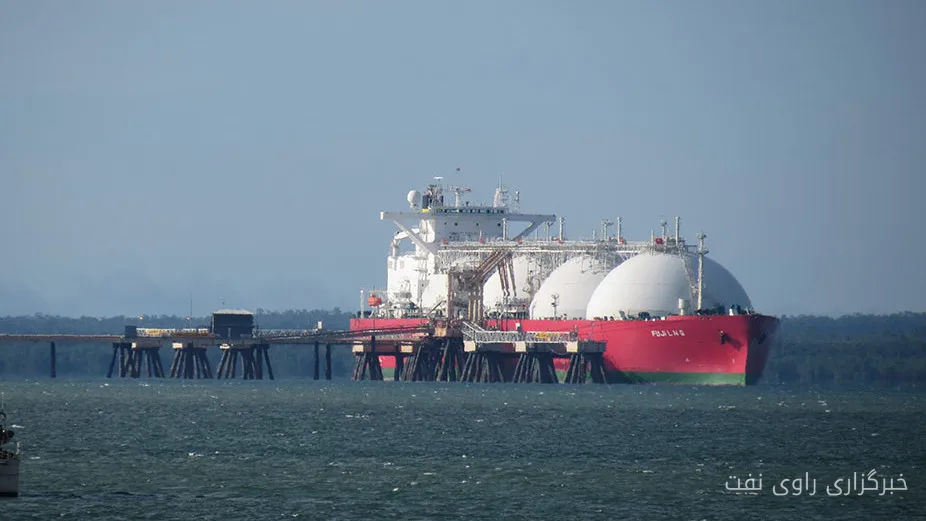
The Hormuz Strait crisis has currently turned 20% of the global liquefied natural gas (LNG) supply into an unpredictable option for buyers. Nearly seven months after traffic in this strait was reduced, LNG exports from Qatar and the United Arab Emirates have been severely restricted. In this situation, buyers in Europe and Asia are looking for gas supply sources that are not dependent on the Hormuz Strait and have turned to countries like Canada, Mozambique, Indonesia, Papua New Guinea, and Argentina.
The Impact of the Crisis on Prices and Gas Demand
This war has damaged the short-term gas supply outlook and pushed LNG prices in Asia and Europe to the highest levels seen during the 2022 crisis. Europe is facing supply shortages as winter approaches, while price-sensitive buyers in Asia are looking for alternative options. They are increasing the use of coal and enhancing renewable energy production targets to avoid supply crises and heavy gas import costs in future critical situations.
Moving Towards Diversification of Supply Sources
The current crisis goes beyond concerns about winter supply in Europe and price impacts in Asia. This war and supply shortages in the Hormuz Strait have undermined the old belief among buyers that relying on cheap supply from one or two sources is sufficient. According to Wood Mackenzie analysts, the market views the supply of 20% of the global supply that passes through the Hormuz Strait as an unpredictable source. Even if this supply returns to normal, it will likely face restrictions that add to market volatility and complicate contract decisions.
With LNG exports from the Hormuz Strait halted for months, buyers are now thinking more about energy security than ever and are diversifying their supply sources. European buyers have turned to exploring purchases from Canada. Additionally, major state-owned LNG importers in China are negotiating for long-term LNG supply from exporters that are not dependent on the Hormuz Strait.
China, as the world's largest LNG buyer, received nearly 30% of its LNG supply from Qatar last year. Some of China's major state-owned companies have signed long-term contracts with Qatar in recent years, but due to the war, some of its expansion projects have been delayed. Nevertheless, Beijing is seeking options to reduce dependence on supply from the Persian Gulf.
LNG buyers are currently looking for supplies other than Qatar and the United States to diversify their energy sources and avoid the risk of dependence on limited options. Some LNG importers in Southeast Asia, who have long relied on Qatar, are accelerating the construction of renewable energy to increase the share of solar energy in their electricity mix.
For example, Thailand is launching a public solar energy program with a capacity of 10 gigawatts, which will cover about one million households. Rooftop solar panels are expected to reduce Thailand's dependence on gas for electricity generation. Thailand's Energy Minister, Akhanat Promfan, has stated that the country needs to diversify its energy sources to no longer be affected by conditions in the Middle East.
Read more: Victory of Opposing Political Parties in the State Elections in Germany · 55.8% Increase in the Value of EU Oil Imports in the Second Quarter of 2026