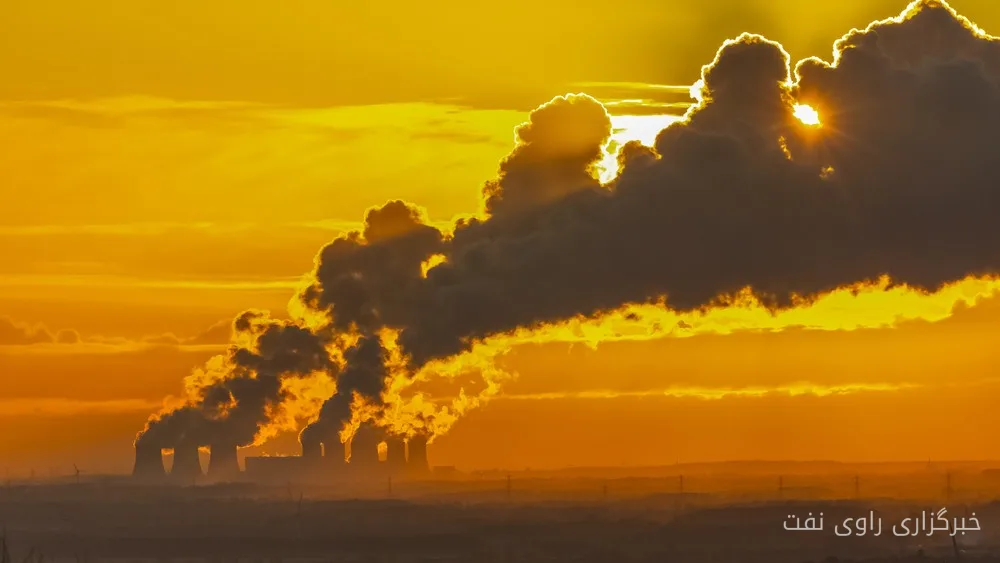
The United Nations (UN) has for the first time acknowledged the reality that the world will not meet the target set to limit global warming to 1.5 degrees Celsius above pre-industrial levels. This indicates a failure of the promises made in the Paris Agreement in 2015. According to a report from the United Nations Environment Programme (UNEP), global temperatures are expected to reach 1.5 degrees Celsius above pre-industrial levels in the coming years.
Impacts of Global Warming
The report emphasizes that even if all climate commitments are fully implemented, global temperatures will rise by at least 1.8 degrees Celsius. This increase will lead to more severe weather events, including heatwaves and floods, as well as the melting of glaciers, rising sea levels, and coral bleaching.
Read more: First Sustainability Report of Cont Ship in line with ESG Goals
Need for Urgent Action
Antonio Guterres, the UN Secretary-General, stated in his speech at the launch of this report: "Every fraction of a degree can impact lives, jeopardize livelihoods, and deepen inequalities." He emphasized the need to accelerate the phase-out of fossil fuels and revolutionize renewable energy. Guterres also called for a threefold increase in financing for adaptation and ensuring it reaches vulnerable countries.
The report states that "there is no good outcome" if the world remains above 1.5 degrees Celsius. At the same time, to bring temperatures back below 1.5 degrees Celsius by the end of the century, UNEP proposes a strategy titled "Surpass, Peak, Reduce." This strategy advises countries to work together to minimize the duration of staying in the phase above 1.5 degrees Celsius.
Following the release of this report, UNEP has faced significant criticism for not explicitly emphasizing the need for a rapid reduction in fossil fuels. Countries committed to shifting away from oil, gas, and coal at an international climate summit in 2023; however, many of them have failed to fulfill their promises.
Read more: Collection of 11.5 Million Cubic Meters of Flare Gas by the Ministry of Oil · Convergence of Cyprus, Greece, Malta, and Italy on Maritime Carbon Regulations