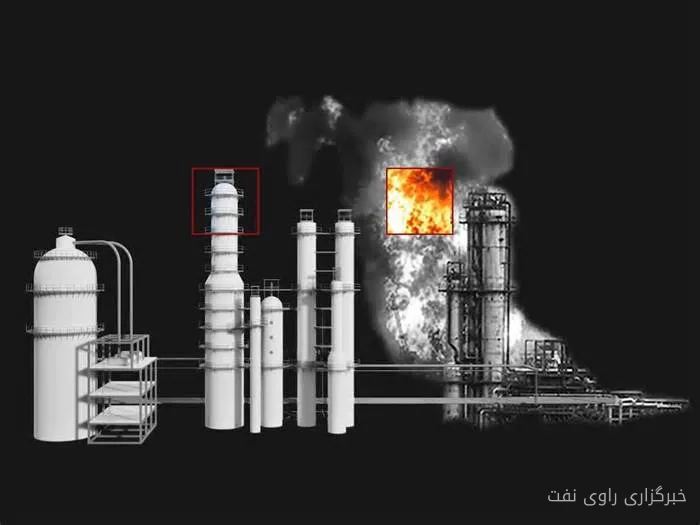
The Novokuibyshevsk refinery in the Samara region of Russia was attacked by Ukrainian forces on Friday. This attack ended a two-week hiatus in attacks on refineries, which had been established following intense pressure from the United States government to halt such operations.
Details of the Attack on the Refinery
Images and videos shared on social media show columns of smoke rising into the sky above the refinery. Ukrainian forces last attacked an oil refinery on October 15, and since October 20, there had been no further attacks on Russian oil infrastructure. This hiatus occurred while U.S. officials repeatedly called for an end to these attacks, viewing them as a factor in rising global fuel prices.
Read more: Brent crude oil price forecast to exceed $90 for 2026
Objectives and Consequences of the Attacks
Ukraine's objective with these attacks is to weaken Russia's oil revenues, which help finance Moscow's aggression against Ukraine. Kyiv is concerned that halting these attacks would allow Vladimir Putin, the President of Russia, to prolong the war. Meanwhile, Russia continues to escalate its missile and drone attacks against energy infrastructure and cities in Ukraine, resulting in an increase in civilian casualties.
On June 16, 2026, the Ukrainian army dispatched a wave of drones to attack one of Russia's oil refineries on the southeastern outskirts of Moscow. This attack damaged one of the distillation units and caused the refinery to become inoperative. According to Kepler, this facility remained inactive until September.
Reports indicate that at least two-thirds of the 36 major Russian refineries monitored by market analysis firm S&P Global Energy were targeted between April 1 and August 31. Some of these refineries have been attacked up to five times, with an average of one attack occurring every three days.
Read more: Bank of Commerce committed to financing petrochemical reconstruction projects · Ukraine's move to halt attacks on Russian oil refineries



