New research shows that steel producers can start low-emission iron production using renewable energies at existing production sites while avoiding the use of natural gas and the risk of long-term dependence on fossil fuels.
Using Coke Gas as a Fuel Source
A new research note from the Institute for Energy Economics and Financial Analysis (IEEFA) examines the potential of coke gas (COG) as a fuel source for Direct Reduced Iron (DRI) production. This method is recognized as a key way to reduce carbon in iron and steel production. The note indicates that by directing COG towards DRI production, costs and greenhouse gas emissions can be reduced, preparing steel producers to transition to green hydrogen.
Read more: The U.S. Department of Defense Seeks to Launch Nuclear Reactors for Independent Military Operations
DRI Projects and Challenges Ahead
The use of DRI is increasing worldwide, and since 2020, new projects and construction activities have significantly risen. However, many developing projects are designed to initially use natural gas, which may tie them to long-term fossil fuel use. Particularly in Europe, rising natural gas prices have posed challenges for these projects.
The IEEFA research introduces an alternative solution that is currently being commercially implemented in India and China: using gases produced from coking or melting operations to power DRI plants. COG, a byproduct of metallurgical coal coking, is rich in hydrogen and methane. Typically, these gases are burned in steelmaking facilities to generate electricity or provide heat. Replacing these uses with renewable energies could make COG available for DRI production.
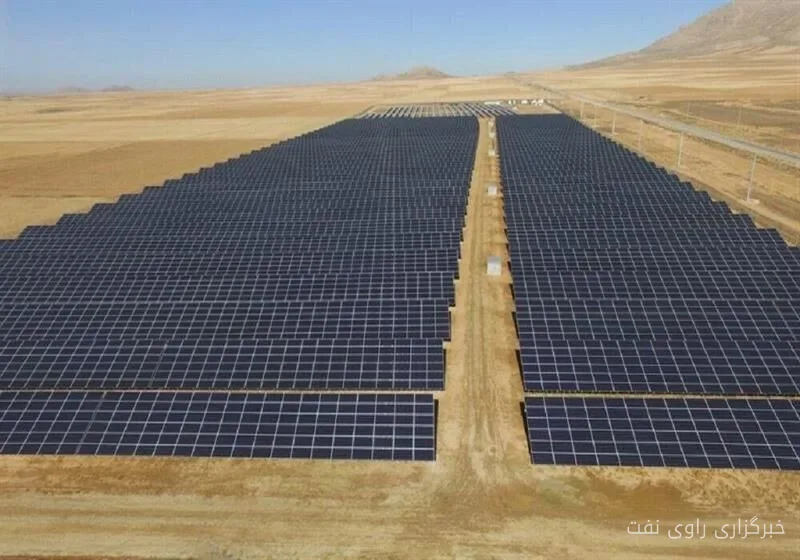
Ultimately, this approach faces challenges, especially regarding the supply of sufficient renewable energy. For instance, the Duisburg plant of Thyssenkrupp in Germany requires about 2.8 gigawatts of solar capacity to meet the COG demand. Additionally, the imbalance in dealing with imports and domestic production under the European Union's carbon pricing regulations is another challenge.
Read more: Digital Transformation Roadmap Unveiled at Abadan Refinery · Forecast of Performance of the Top Five Companies in Data Center Power Supply