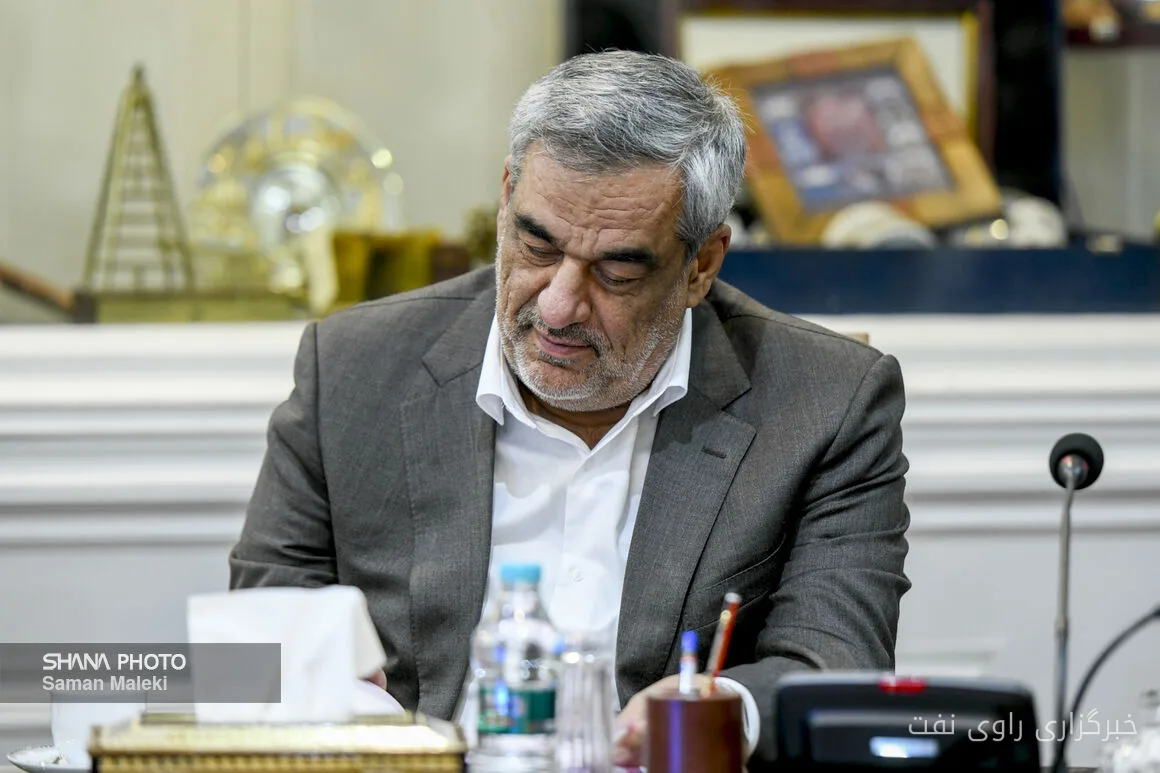
Hooman Sadeghi, referring to the need to revise energy management patterns in winter, stated that the development of renewable power plants should not be seen solely as a solution to cope with peak electricity consumption in summer. These capacities can also play a significant role in providing stable electricity and managing fuel limitations of thermal power plants during the cold days of the year.
Reduction in Gas Production Capacity and Imbalance
Sadeghi pointed to a reduction of 130 million cubic meters in the production capacity of refineries due to damages and accounting for past deficits, adding that the total reduction in capacity and gas imbalance this year reaches about 400 million cubic meters per day. This situation underscores the necessity of maximizing the use of electricity production capacities without the need for fuel.
Read more: Norway's Outlook for Redesigning the IMO Carbon Neutrality Framework
Installed Renewable Capacity
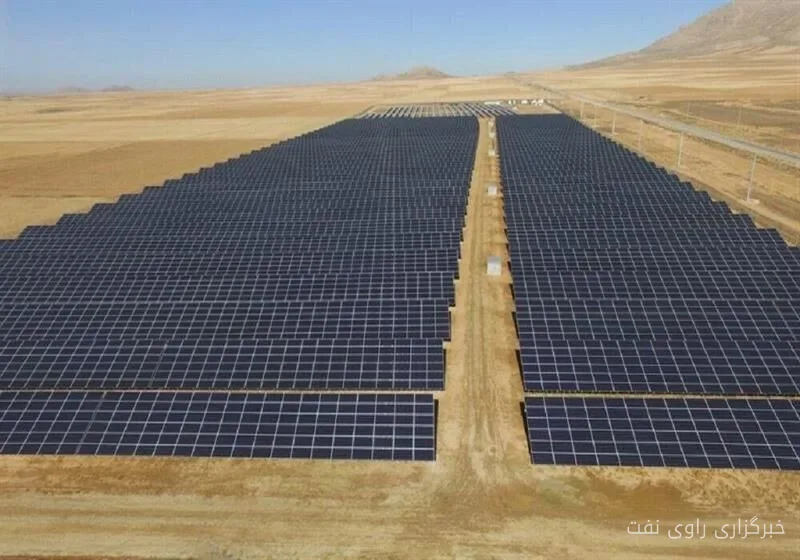
The head of the Technical and Engineering Group of the Renewable Energy and Energy Efficiency Organization (SATBA) stated that the installed renewable capacity in the country has surpassed 6,200 megawatts, emphasizing that solar and wind power plants provide the required electricity for the grid without the need for gas consumption. This action allows some of the fuel of thermal power plants to be freed up during the hours of renewable electricity generation.
Sadeghi also mentioned that vast areas of the central plateau, south, and southeast of the country enjoy favorable solar radiation in autumn and winter. Supplying part of the daily load of the grid through solar power plants in these regions reduces the gas consumption of thermal power plants and enables the allocation of freed fuel to provinces located at the ends of gas transmission lines that face the risk of pressure drop in the cold season.
Development of Renewable Energy in Northern Provinces
He emphasized the need to change the perspective on the capacity of the northern provinces for the development of renewable energy, stating that data and specialized assessments show that these provinces have suitable potential for developing solar power plants and that there are appropriate wind corridors for installing wind turbines in these areas.
Sadeghi stated that the northern, northwest, and eastern provinces of the country face limitations in gas supply and pressure during winter due to their location at the ends of the national gas transmission lines. Therefore, generating electricity at the point of consumption can help reduce pressure on energy transmission and distribution networks.
He emphasized that linking the solar and wind production capacities of high-radiation areas with the energy needs of provinces facing fuel limitations can help manage winter imbalances, ensure stable electricity, and enhance the country's energy security.
Read more: Shahid Hashemi Nejad Gas Refinery Continues to Develop Indigenous Technologies · Tehran Refinery Reports on the Cause of Flare Smoke and Denies Cyber Attack