India has approved a plan to create a high-capacity power transmission corridor worth $7.34 billion (688 billion Indian Rupees) to strengthen its power grid and transfer energy from production sources to consumption centers. This system, operating at 1150 kilovolts, will be the highest voltage in India, and construction costs are expected to be around $7.34 billion.
Details of the Power Corridor Project
Currently, most of India's power transmission network consists of 765 kilovolt lines. This plan, approved by the National Power Transmission Committee of India this week, is estimated to take about six years to complete. The first phase of this project involves connecting the states of Chhattisgarh, Odisha, and West Bengal to each other and then linking them to a power transmission system with a capacity of 6000 megawatts.
Connection to Renewable Energies
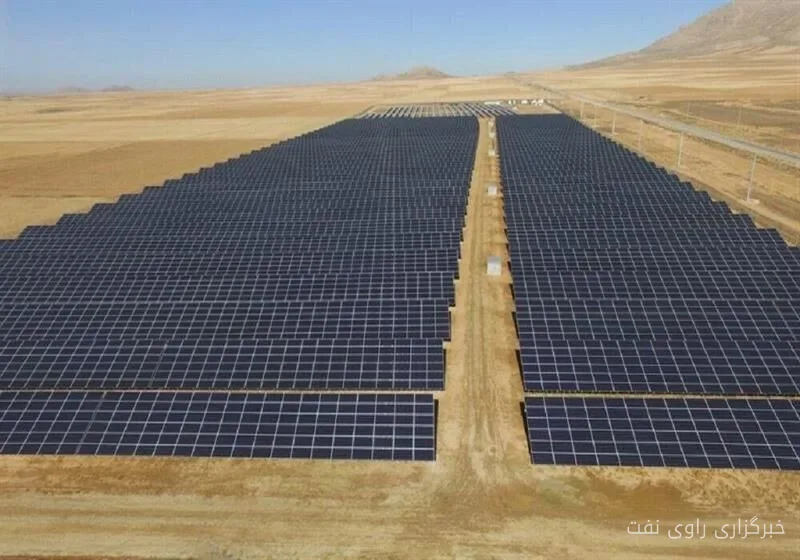
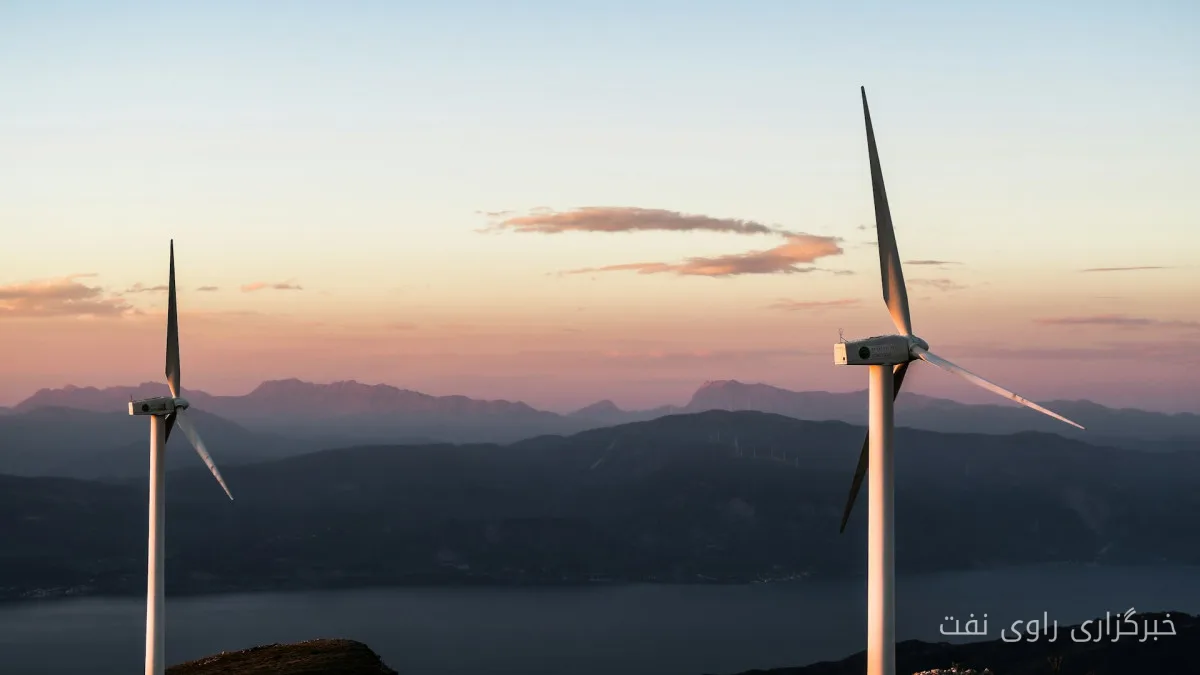
This project is designed to connect the high capacity of solar and wind energy in western Indian states like Rajasthan with major industrial centers in the eastern part of the country, including the states of Odisha, Chhattisgarh, and West Bengal. As the third-largest country in the world in terms of electricity demand by 2025, India generated 27% of its electricity from clean energy sources last year. The largest source of clean energy in India has been solar energy, which accounted for 9.4% of total demand.
The combination of wind and solar energy generally accounts for 14% of total electricity demand. Last year, India surpassed France and Canada to become the fourth-largest producer of clean electricity in the world. India's Minister of New and Renewable Energy, Pralhad Joshi, announced that India is well on track to achieve its goal of 500 gigawatts of non-fossil energy capacity by 2030, having recently reached the milestone of 300 gigawatts.
However, network limitations, flexibility, and transmission issues due to low battery storage capacity forced India to curtail 118.6 gigawatts of solar and wind capacity last September. According to data from JMK Research and Analytics in India, this problem could persist without improvements in storage infrastructure.
To better utilize the surge in clean energy and reduce electricity waste, India has also planned to soon require state-owned companies to add energy storage capacity.