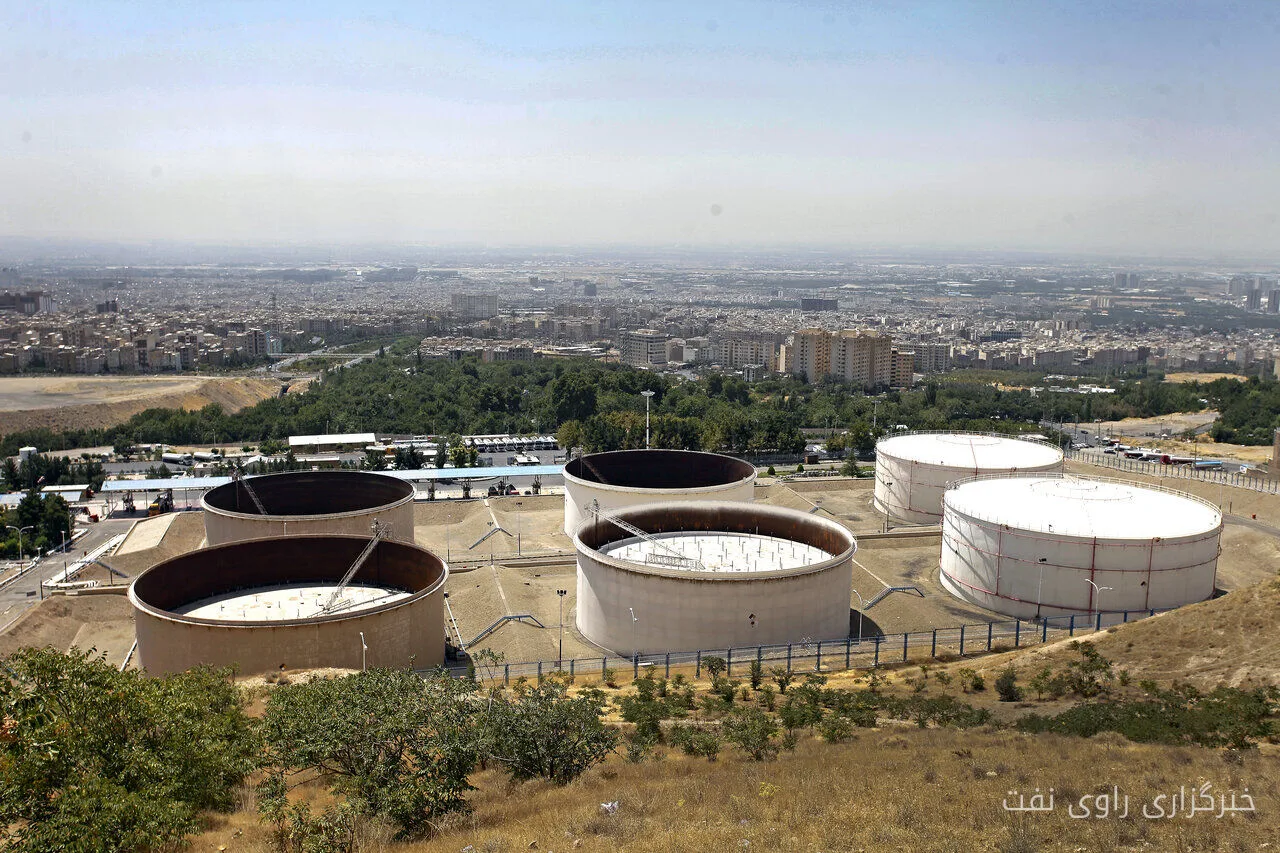
Mohammad Meshkinfam, the CEO of the National Iranian Oil Engineering and Construction Company, announced an 80% progress in the reconstruction of Tehran's oil warehouses and described this project as an unprecedented operation in terms of scale and speed of execution. He added that this plan has set records in the oil industry during its follow-up and execution stages.
Fuel Distribution Returns Quickly
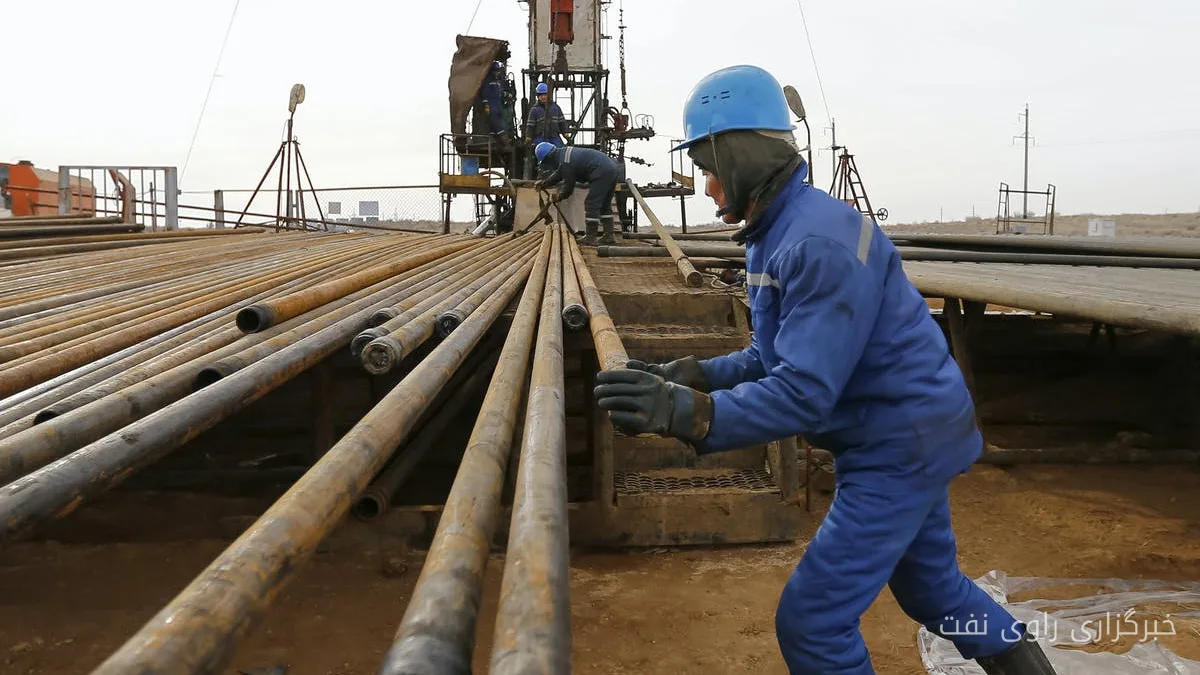
Meshkinfam further explained that despite the wartime situation and execution difficulties, the contractor was selected within three days and began work on-site. In about two months, and simultaneously with the wartime conditions and the Nowruz holidays, nearly 60,000 inches of welding has been completed. He cited the collaboration between the National Iranian Oil Refining and Distribution Company, his company, and the executive forces as the main factors in the progress of the work.
Read more: Petrochemical Jam Seeks a Larger Share of the Chinese Market by Focusing on High-Demand Products
Progress in Reconstruction and Execution Stages
Meshkinfam, referring to the damages inflicted on the Rey oil warehouses and other warehouses in Tehran province, announced that the continuous efforts of the executive forces allowed the fuel distribution sector in Tehran to resume its activities after about two weeks. Now, the distribution of petroleum products in Tehran is stable and has even surpassed previous capacity.
The CEO of this company regarding the framework of the reconstruction contract stated that this plan has two parts: in the first part, the cycle of distribution and transfer of petroleum products returns to operation, and the second part is dedicated to the construction of tanks and fulfilling other project commitments. The operations related to the transfer facilities have made about 60% progress, and an overall progress of 80% has been achieved in the reconstruction of damaged facilities and warehouses.
Meshkinfam expressed hope that the infrastructure would fully return to an optimal state by the end of Aban. He considered the unpreparedness of the initial plan at the start of the project as one of its main difficulties and stated that to prevent time wastage, design and execution progressed simultaneously. As work continued, the dimensions and volume of operations were also specified more accurately.
In conclusion, Meshkinfam emphasized that the parallel advancement of design and construction, along with the mobilization of resources and the continuous efforts of the executive forces, increased the speed of reconstruction and made the return of fuel distribution infrastructure to operation possible.
Read more: Container Shipping Rates from Asia to America Remained Stable · Hamid Bord's Visit to the Reconstruction Process of Rey Oil Warehouse