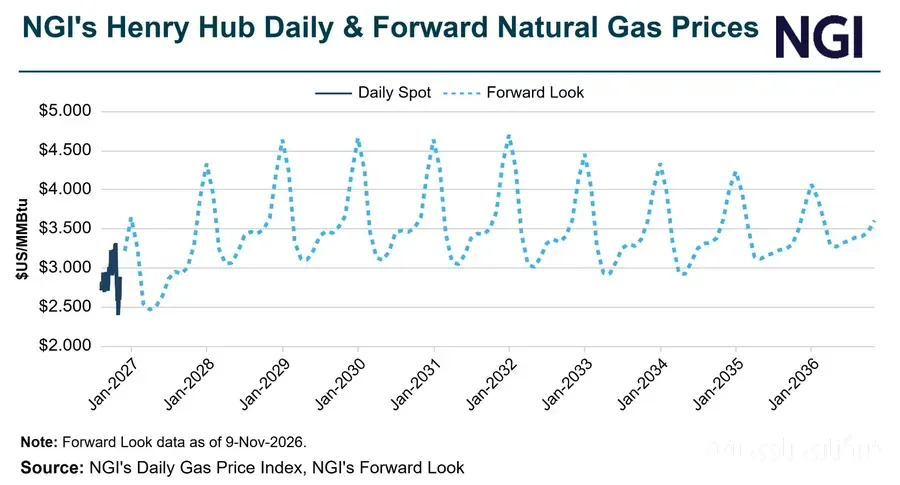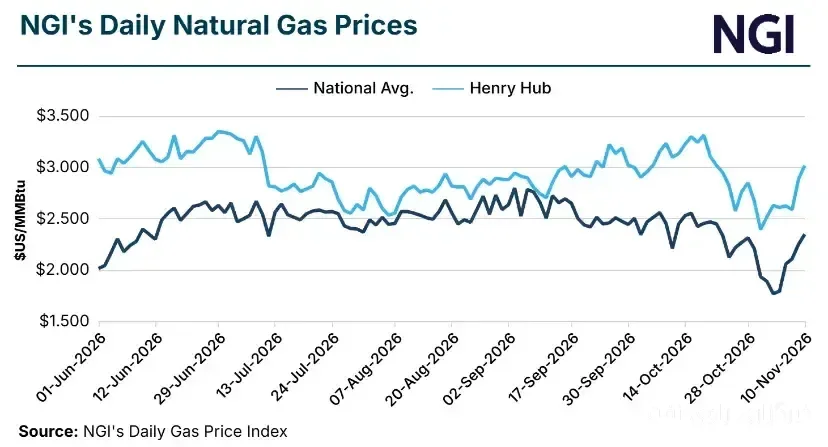
The increase in natural gas prices in spot markets is observed due to several key factors. First, forecasts indicate an increase in consumption due to climate changes and strong export demand, especially in international markets. Second, the decline in gas production in some regions has also contributed to this price increase.
Formation of Seasonal Demand
On Tuesday, many analysts concluded that winter is approaching and with decreasing temperatures, the demand for natural gas will significantly increase. It is expected that gas consumption in the residential and industrial sectors will reach its highest level due to heating needs. This situation has intensified demand in the natural gas spot markets and pushed prices upward.
Read more: International meetings on the Falkland oil project have begun
Impact of Exports on Prices
Additionally, strong demand for natural gas exports from the United States to other countries has also contributed to this upward trend. In recent months, the United States has become one of the largest exporters of liquefied natural gas (LNG), which has helped increase prices in global markets. Currently, the U.S. natural gas export capacity has reached about 12 billion cubic feet per day.
These factors together have created a favorable situation for increasing natural gas prices in spot markets. For example, on Tuesday, the price of gas in the New York market reached $6.5 per million BTU, indicating a significant increase compared to last week.
Overall, given the forecasts and current conditions, it seems that natural gas prices will continue this upward trend in the short term. Market analysts expect prices to remain high in the coming days under the influence of the aforementioned factors.
Read more: Expansion of natural gas profits with forecasts of temperature decrease in the next two weeks · U.S. midterm election results affect the global oil and gas market