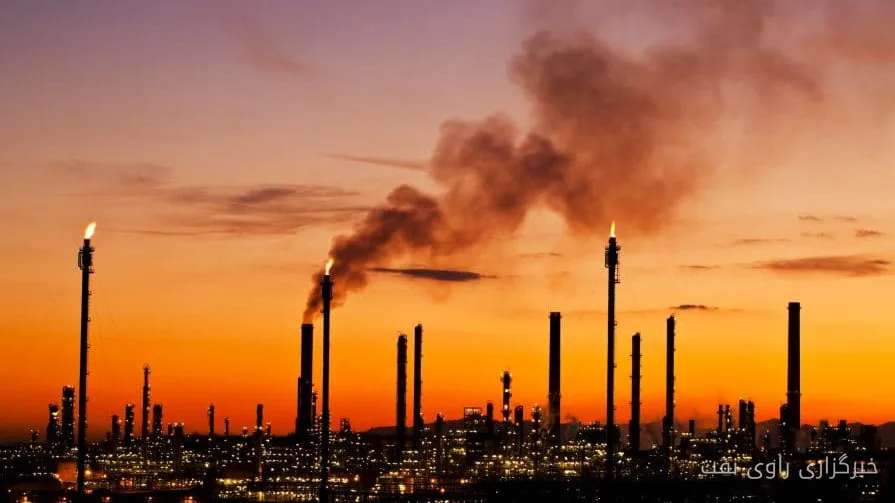
The war in the Middle East and airstrikes on oil facilities have had a profound impact on global refinery capacity. In recent years, many refineries in European countries have closed, while Gulf countries have focused on building new refineries. However, with these refineries now damaged in the wars, fuel production from the largest oil refining regions will not return to normal anytime soon.
Damage to Refineries in Saudi Arabia and Russia
The Ras Tanura refinery in Saudi Arabia, with a capacity of 550,000 barrels per day, has recently been targeted by Houthi attacks. Although Saudi officials have not yet confirmed this news, the Houthis regularly attack Aramco's infrastructure. This situation, along with the damage to Gulf countries' refineries due to Iranian retaliatory attacks, has severely impacted fuel production.
Read more: Nabors Industries Signs Multi-Year Contract to Return to Venezuela
Similar problems exist in Russia as well. Reports indicate that the Ukrainian army has conducted over 100 airstrikes on Russian refineries in recent months. According to informed sources, about 30 refineries have been targeted, which accounts for 80 percent of the country's total refining capacity. The refining capacity before these attacks was 6.1 million barrels per day and has now decreased to 1.6 million barrels per day.
Consequences and the Global Fuel Market Situation
Due to Ukrainian drone attacks, Russia has banned diesel fuel exports and restricted gasoline exports. This situation has put global fuel supply under pressure and driven prices to their highest levels. Meanwhile, U.S. officials are seeking an agreement to supply 300,000 tons of diesel from Russia to global markets. This amount is equivalent to 75,000 barrels per day, which does not seem to have a significant impact on U.S. fuel demand.
While Russia is repairing its refineries and diesel production has increased, Deputy Prime Minister Alexander Novak announced that the refining rate has increased by 25 percent from early October to mid-month, reaching about 5 million barrels per day. However, this increase does not mean a return to normalcy, and the threat of further Ukrainian attacks as well as Iranian threats still exists.
The current situation indicates that the world is facing a serious problem of refinery shortages. This issue cannot simply be resolved by building new refineries or increasing processing rates at existing refineries. Meanwhile, experts have predicted that this situation may accelerate the transition to electric transportation, but the gap between fuel demand and supply remains, and solving it seems difficult.
Read more: Saudi Arabia's Oil Exports Are at Maximum Capacity · Increase in Oil Transportation Costs to $40 per Barrel