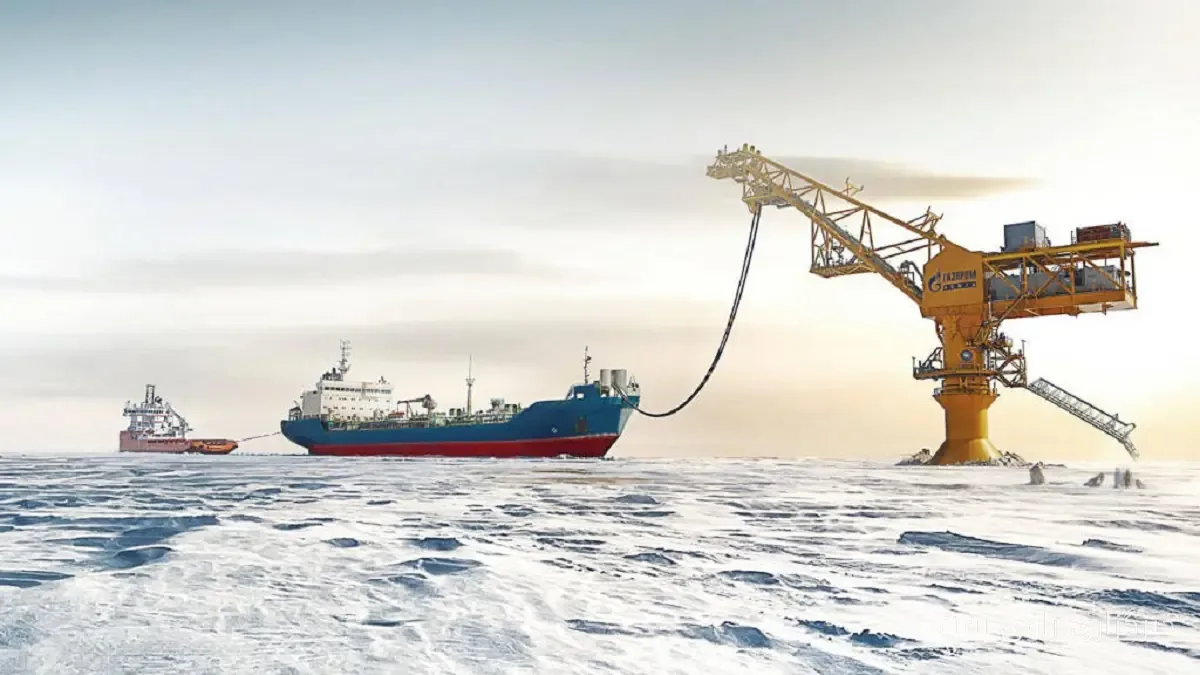
The European Union is revising its policies regarding the Arctic, a region that has become one of the main arenas for competition among major powers due to its rich energy resources and strategic location. In recent years, Europe has sought to ban new oil and gas drilling in this area. However, in light of recent changes in energy supply conditions and global crises, Brussels has decided to adjust its positions.
Change in Europe's Position
On October 19, reports indicated that the European Union intends to abandon its efforts to reach a multilateral and binding agreement to prohibit new drilling in the Arctic. This decision comes at a time when energy security has become a strategic issue for European countries, and the need for sustainable and accessible energy resources is of high importance.
Read more: InterManager emphasized the need for immediate action on the safety of confined spaces
At the same time, the official position of the European Union against the development of fossil fuels in the Arctic remains intact. Therefore, this policy change does not mean a complete retreat from climate approaches, but rather signifies the abandonment of efforts to impose a legal ban at the international level. This shift in position could have significant implications for climate policies as well as for geopolitical competition in the region.
Economic and Environmental Consequences
The Arctic, due to its vast oil and gas resources, has become an attractive location for energy extraction. Estimates suggest that this region could hold about 22% of the world's oil and gas resources. However, the development of these resources comes with serious challenges, including environmental concerns and climate change. Europe's new decision could lead to increased drilling and the development of oil and gas projects in this area, which in turn could pose serious environmental risks.
Ultimately, this change in the European Union's policy indicates that in times of energy supply crises, even countries with the best environmental policies may be forced to adjust their positions. This issue becomes even more significant when considering global competition and the need for sustainable energy supply.
Read more: The Russian Foreign Minister met with Iranian officials in Tehran · Zeynab Qaisari warned about the proposed oil minister