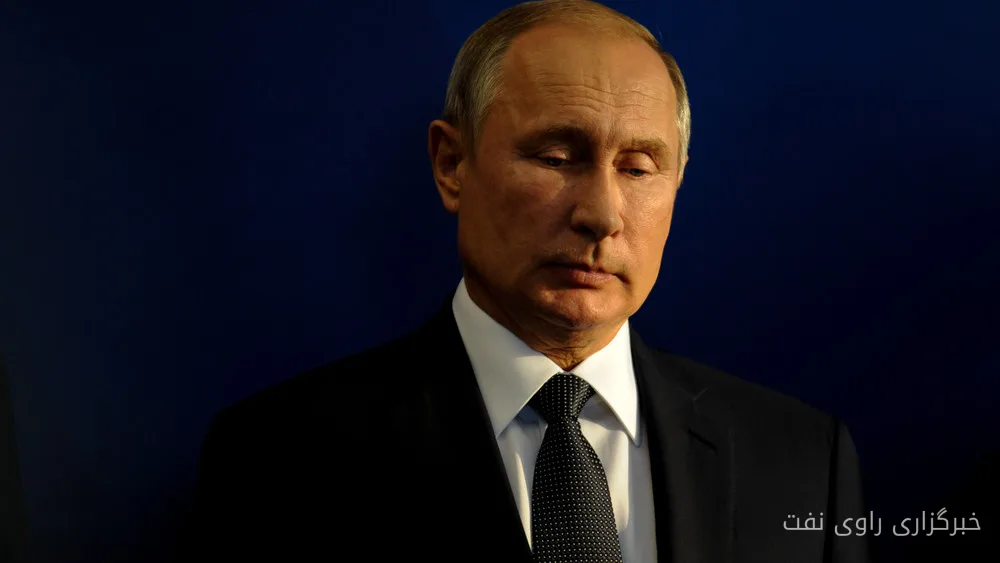
Sergey Lavrov, the Russian Foreign Minister, traveled to Tehran on October 19 and met with Masoud Pezeshkian, the President, and Abbas Araghchi, the Iranian Foreign Minister. This visit took place amid questions regarding Moscow's support for Tehran in the war with the United States. Lavrov traveled directly from Manama, Bahrain, where he had a meeting with officials from the Gulf Cooperation Council, to Tehran.
Focus of Negotiations and Strategic Cooperation
During these meetings, Lavrov also spoke with Mohsen Rezaei, the Chairman of Iran's Supreme National Security Council. The Russian Foreign Ministry issued a statement generally referring to these negotiations, emphasizing that the discussions were conducted in a constructive spirit and highlighted the strengthening of a comprehensive strategic partnership. The statement also stressed the importance of close coordination regarding the situation in the Middle East and the Gulf region, with Lavrov reiterating Russia's readiness to facilitate the resolution of the situation surrounding Iran.
Read more: Changes in Costs and Values in the Iron Ore Market Due to Global Pressure to Reduce Carbon
Questions About Russian Military Support
Despite the lack of mention of military or intelligence cooperation in the official statement, many questions have arisen regarding the extent of Russia's support for Iran. This is particularly so after Donald Trump, the President of the United States, stated in a social media post on October 18 that Russia is doing "very little" to help the Islamic Republic of Iran. These remarks came as Trump sought to justify not imposing severe sanctions against Russia, stating that this could affect negotiations to end the war in Ukraine.
Analysts believe that while Russia has hesitated to provide heavy weapons to Iran, it continues to offer military intelligence for conducting precise strikes on American bases. Hamidreza Azizi, a senior analyst on Iran at the International Crisis Group, pointed to the importance of this cooperation, stating, "Russian support has existed and has had a tangible impact."
A notable instance in this context was Iran's attack on Prince Sultan Air Base in Saudi Arabia in March, during which 12 American soldiers were injured. Experts noted the unusual precision of this attack, which likely was conducted with the assistance of Russian intelligence.
Since the onset of U.S. and Israeli attacks on Iran on February 28, media reports have indicated an increase in Russian support for Tehran. American, European, and Ukrainian officials have reported that Russia has provided Iran with information about the locations and movements of American forces, ships, and aircraft.
Read more: Ban on Hijab in Schools in Azerbaijan · Escalation of Iranian Attacks in the Strait of Hormuz and Its Impact on the U.S. Elections