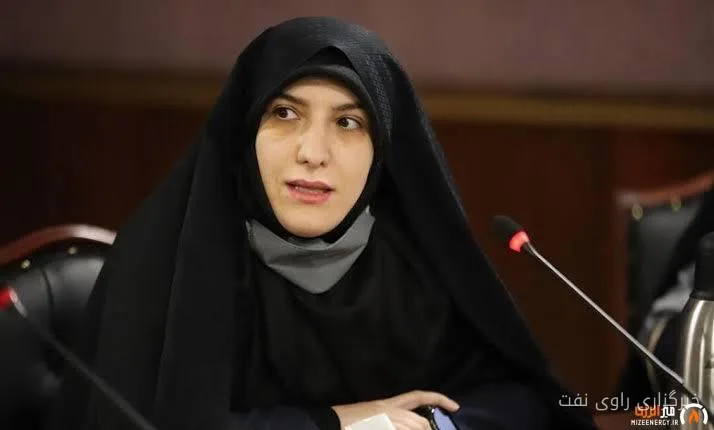
Zainab Qaisari, the head of the Parliamentary Oil Industry Oversight Caucus, warned about the selection of the proposed oil minister, emphasizing that the parliament will carefully and rigorously examine the background, plans, and managerial capabilities of the government's nominee. According to her, the current state of the oil industry does not provide room for managerial trial and error.
The Necessity of Choosing a Capable Manager
Currently, following the resignation of Mohsen Paknejad, the Ministry of Oil is being managed by Hamid Bord, and the government must introduce its nominee for this ministry to the parliament. Qaisari pointed out the importance of selecting a capable manager for the Ministry of Oil and emphasized sustainable oil and gas production, field development, attracting investment, maintaining export capacity, and managing energy imbalance as important missions for the future minister.
Read more: The U.S. Department of Energy Allocates $42 Million to Advance the Defense Production Act Pipeline
Challenges Facing the Future Minister
The head of the Parliamentary Oil Industry Oversight Caucus stated that achieving these goals is not limited to specialized knowledge, and the future minister must possess decision-making power and the ability to lead the Ministry of Oil. She also emphasized that the nominee introduced by the government must present an operational and specific plan to address the challenges of the oil industry.
This position comes at a time when the selection of the future oil minister has become one of the main focuses of the parliament representatives. Farhad Shahroki, the vice-chairman of the Energy Commission of the parliament, has also emphasized the selection of the oil minister from among specialized managers with operational experience.
Qaisari clarified that in the process of evaluating the qualifications of the proposed minister, the managerial capabilities and leadership power of the government's nominee will be of special importance. Executive backgrounds, presented plans, decision-making abilities in crisis situations, and the ability to fulfill promises are among the key points that representatives will consider when evaluating the qualifications of the proposed minister.
The future oil minister will face issues such as increasing production, developing joint fields, securing financial resources for projects, energy imbalance, and maintaining the export capacity of oil and petroleum products. Qaisari's statements reflect the parliament's sensitivity regarding the selection of the future oil minister, and the final assessment by representatives will take place after the official introduction of the government's nominee and the presentation of their plans.
Read more: Increasing transportation costs have changed the behavior of Asian crude oil buyers · Meeting of the Deputy Ministers of the Ministry of Oil Focused on Oil and Gas Field Development



