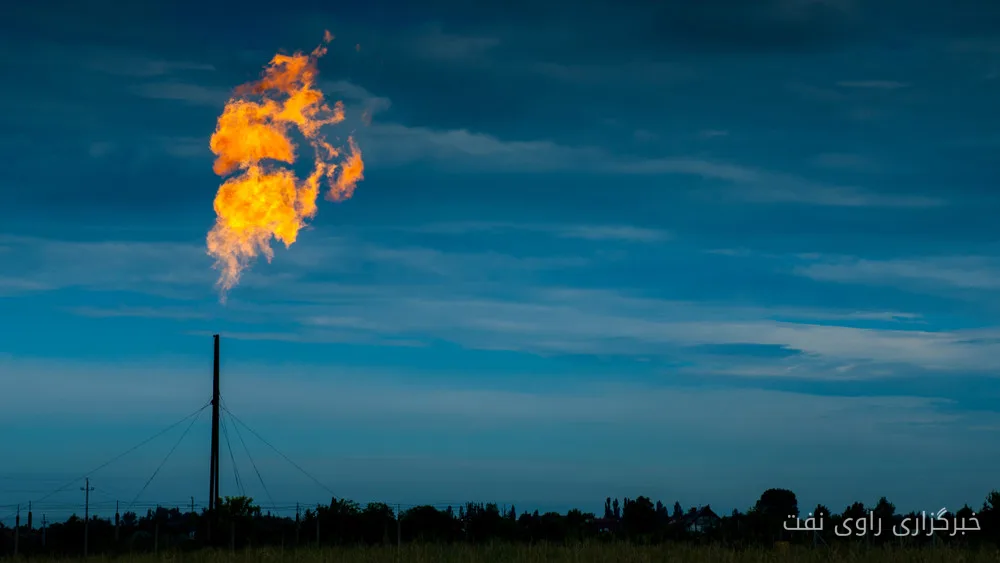
The European Union (EU) is considering the possibility of a one-year delay in the methane reporting regulations for oil and gas imports. These regulations were set to come into effect on January 1, 2027, requiring foreign oil and gas producers supplying the EU to monitor and report methane emissions. Penalties are also in place for non-compliance.
Energy Supply Risks in the Upcoming Winter
Daniel Yorgensen, the EU Energy Commissioner, announced that officials are exploring options for delaying the implementation of these regulations, but they have no intention of reducing their stringency. Given recent crises, including the war in Iran which has disrupted global oil and gas flows, ensuring energy security in the upcoming winter has become a priority for Europe.
Read more: Fatemeh Mohajerani: We Will Get Through Winter with Minimal Energy Issues
French President Emmanuel Macron raised the request for a one-year delay in these regulations last week. Nearly a dozen European countries, as well as the United States, the largest supplier of liquefied natural gas (LNG) to Europe, had previously called for a halt or reconsideration of the regulations.
Europe's Future Strategies on Oil and Gas Reserves
Yorgensen added that any delay must come with specific conditions, and member states should use this additional time to prepare for the full implementation of the regulations after the delay ends. Discussions about methane, alongside another issue Europe hoped to address, namely the need to replenish emergency oil reserves, are progressing.
The Executive Director of the International Energy Agency (IEA), Fatih Birol, stated that the agency is closely monitoring diesel and other refined product markets and may discuss additional strategic reserve releases with member governments if conditions worsen. Currently, he emphasized that further releases are not a priority for the IEA. Recently, member countries decided in March to release 400 million barrels of oil, marking the largest coordinated release in the agency's history. Birol noted that only about 20 percent of the total strategic reserves of member countries have been released so far.
This means that governments have oil reserves, but this has not resolved the larger issue that Europe is facing as it approaches winter with shortages of oil products and gas supply risks.
Read more: The Law on Regulating Kolbari and Tehlanji Has Become Part of Iran's Imports · PTT Exploration and Production Decides to Develop the Busabong Gas Field



