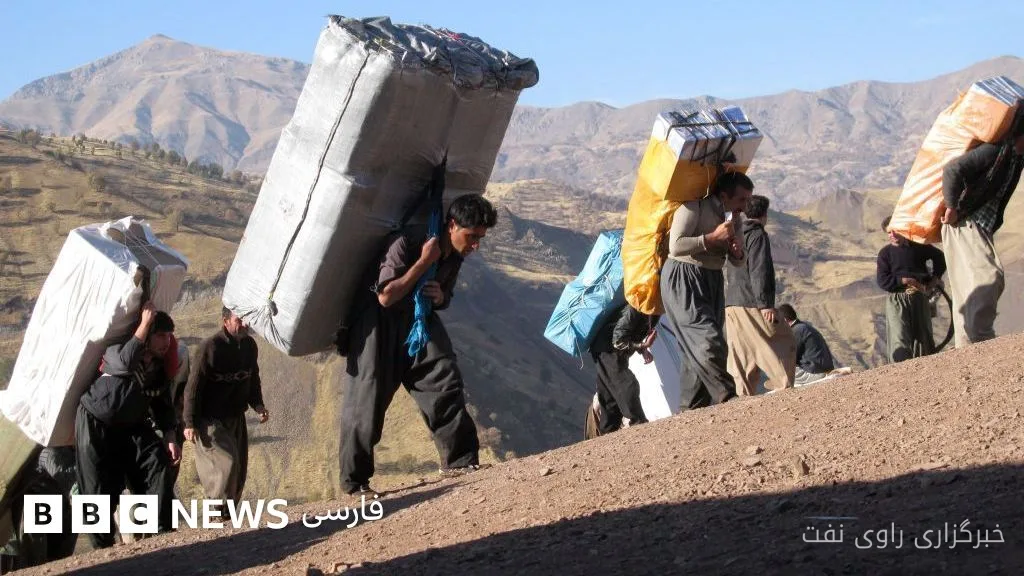
Kolbari and Talonji have become important parts of Iran's official import network in 1405. As sanctions and trade restrictions have led to serious challenges for the country, the government has attempted to use these two methods as official import tools by passing the "Law for Organizing and Supervising Border Trade (Kolbari and Sailor) and Creating Sustainable Employment for Border Inhabitants" in Bahman 1402.
Transformation in Goods Import
This law has authorized imports through Kolbari and Sailor for five years, aiming to reduce informal exchanges and increase transparency in border trade. Currently, the government is striving to meet import needs, including consumer goods, food products, and industrial parts through this method. According to government officials, the value of imports through these two channels reaches about $7 billion a year, accounting for nearly 10 percent of the country's total trade.
Read more: A 4.6% Decrease in the Baltic Dry Freight Index to 3268 Points
Expansion of the List of Permitted Goods
One notable sign of this change is the official notification from the Ministry of Industry, Mine and Trade to the Iranian Customs on 30 Ordibehesht 1405, which declared the import of raw materials for petrochemical and polymer industries through Kolbari and Sailor as permissible. Additionally, in Tir 1405, items such as batteries and computer parts were added to the list of permitted goods for import through Kolbari. These changes indicate that Kolbari and Talonji have become channels for meeting the industrial and production needs of the country.
On 24 Mordad 1405, the Secretary of the Rice Importers Association of Iran announced that about 700 tons of rice labeled "American" had been imported from the Iraq border through Kolbari. This import demonstrates the expanding role of Kolbari in supplying essential goods.
Despite these developments, critics believe that the expansion of these mechanisms has led to a decrease in job opportunities for traditional Kolbars and increased economic pressure on border inhabitants. While previously, Kolbars were recognized as the main workforce in border trade, companies and cooperatives have now also entered this field.
Experts believe that this trend has diminished the role of Kolbars in the border trade chain and created new challenges for residents of border areas.
Read more: Natural Gas Prices in Europe Increased by 3% · The U.S. Congress Sent a Comprehensive Bill to Sanction Russia and Iran to Trump



