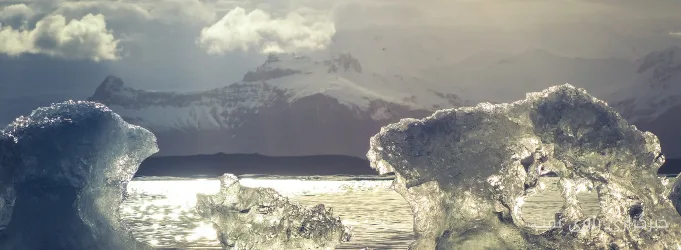
The European Union seems to be softening its stance on oil and gas production in polar regions while still emphasizing the need to preserve fossil resources on Earth. The recently released Arctic strategy draft makes no mention of a ban on new oil and gas drilling in these areas, indicating a significant shift from the Union's position in 2021.
New Agreements between Norway and the European Union
Norway issued five oil and gas exploration permits in the Barents Sea, which is part of the Arctic, last year and also plans to open 38 new blocks for exploration applications in this area by 2026. Last year, this country supplied nearly one-third of the European Union's gas imports, which includes a small amount from new fields in the Barents Sea.
Read more: Zeinab Ghaesari paves the way for the implementation of energy consumption management plans
The oil industry was concerned that the European Union would commit to not purchasing from Norway's new oil and gas fields in the Arctic. However, the new draft states that the European Union will prioritize renewable energy sources and hydrocarbons produced outside the Arctic. The European Commission has also announced that it seeks to create an international commitment to prevent further development of Arctic oil and gas resources or purchasing from them if these activities are deemed "a threat to the Arctic ecosystem."
Environmental Commitments of the European Union
In 2021, the European Union stated that "given the minor bans on hydrocarbon exploration in the Arctic" in certain areas of the United States, Canada, and Greenland, "the European Union is committed to ensuring that oil, coal, and gas remain in the ground, including in polar regions" and is also seeking "a multilateral legal commitment to prevent the development of any hydrocarbon reserves in the Arctic or adjacent areas."
The new draft also emphasizes the European Union's broader commitments to keep coal, oil, and gas in the ground, which aligns with the Union's climate goals. This bloc has set a legal target to reduce greenhouse gas emissions by 90 percent by 2040 compared to 1990 levels.
A spokesperson for Equinor ASA, which is currently producing oil and gas and exploring more fields in the Barents Sea, did not respond to the mentioned questions, and a spokesperson for the Ministry of Energy declined to comment before the release of its strategy.
Environmental groups stated that the changes made do not signify a significant retreat by Brussels. Pål Frisvold, head of the coalition for maintaining the ban on Arctic oil drilling, pointed out that the removal of the word "ban" strengthens the key message regarding climate and added: "The European Union is determined to keep fossil resources in the ground."
The draft text also maintains the European Union's position on deep-sea mining, provided that scientific gaps are filled "satisfactorily." Norway approved deep-sea mining in 2024, although no activities in this regard have yet commenced.
Read more: The situation of empty oil terminals in Iran continues · The International Monetary Fund warns about the consequences of $110 oil