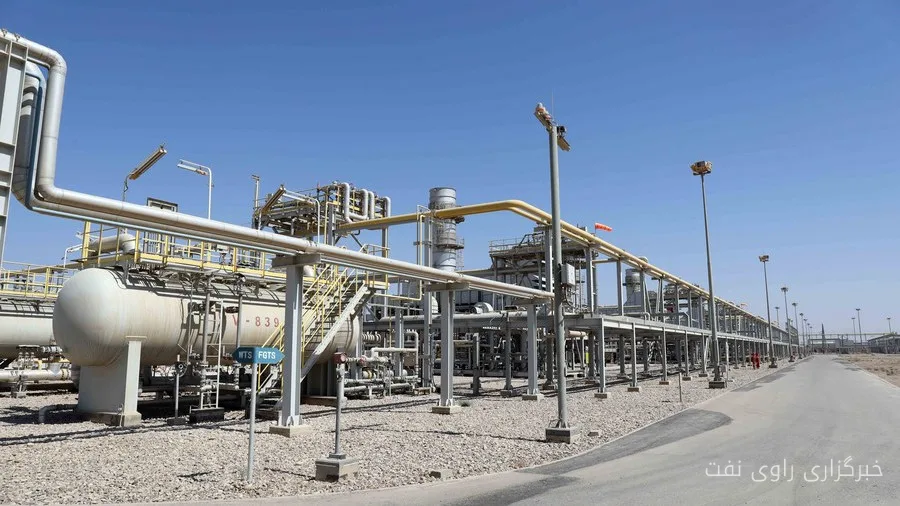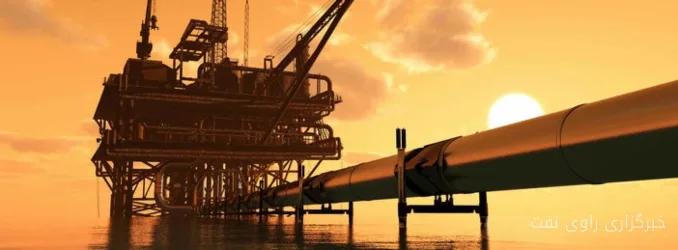
Britain is considering the cancellation of the development project for the oil field 'Block 22' (Block 22), which is recognized as the largest undeveloped oil field in the country. This field has an estimated capacity of 1.3 billion barrels of oil, and as oil prices have risen above $100 per barrel, this decision could have profound impacts on the oil industry and the economy of Britain.
Details of the Oil Field 'Block 22'
The oil field 'Block 22' is located in the North Sea and is considered one of the key projects for meeting Britain's energy needs. However, recent assessments indicate that the development of this field may face environmental and economic challenges. Experts believe that not developing this field could lead to a decrease in oil production and an increase in dependence on imports.
Read more: Bassem Khazir announced Iraq's need to purchase oil tankers to increase oil exports
Economic and Environmental Consequences
If Britain decides to cancel the development of the 'Block 22' field, this action could have significant economic repercussions. For example, this decision could negatively impact employment in the oil and gas industry and also lead to increased energy costs for consumers. On the other hand, canceling this project may be seen as a positive step towards environmental protection and reducing greenhouse gas emissions.
Given the current state of the oil market and the need for sustainable energy, the decision regarding the oil field 'Block 22' could serve as an example of the challenges the British government faces in addressing climate change and the need for sustainable energy supply. Ultimately, this decision will not only affect the future of energy in Britain but also the global oil market.
Read more: Transformation in the product tanker market due to changes in US-Russia energy relations · Infrastructure barriers have hindered the growth of renewable energy in Britain