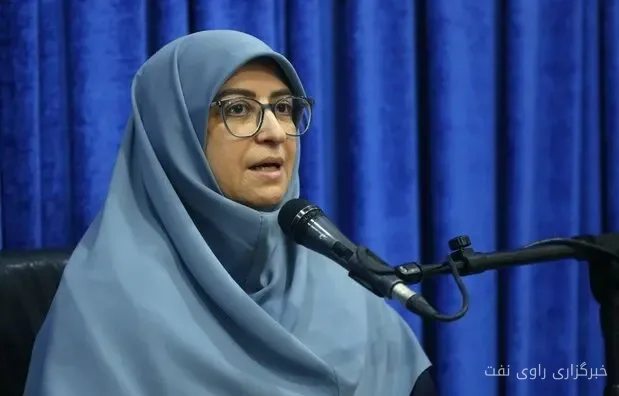
Shina Ansari, Vice President and Head of the Department of Environment, criticized the lack of implementation of a significant portion of the plastic bag consumption reduction regulation during the National Waste Management Working Group meeting focused on addressing the environmental issues of single-use plastics. She called for a review of the performance of responsible agencies and the identification of barriers to implementing this regulation within the next month.
Consequences of Excessive Plastic Consumption
In this meeting, Ansari pointed out the widespread consequences of excessive consumption of single-use plastic bags and containers, stating: "This issue has negative impacts on the food chain, aquatic ecosystems, and living organisms. Therefore, reducing the production and consumption of these products requires coordinated action from responsible agencies."
Read more: Woodside halted the pre-commissioning work on the Scarborough LNG project
She added: "The plastic bag consumption reduction regulation was approved in 2022, and despite four years passing, a significant portion of its obligations has not yet been implemented. Instead of spending time drafting new resolutions, the barriers to implementing existing regulations should be identified and resolved."
Need for Inter-Agency Cooperation
Ansari emphasized that economic and livelihood problems should not be an excuse for failing to fulfill legal responsibilities. She continued: "Reducing the consumption of single-use plastics has become a global demand, and some African countries have also implemented strict regulations in this regard."
The Head of the Department of Environment also stressed the need for the effective role of the Ministry of Industry, Mine and Trade and the Ministry of Oil in this area, stating: "It is unreasonable for valuable petrochemical resources to be used to produce products like plastic bags that have a useful life of about 12 minutes. Directing these resources towards the production of durable and sustainable products will not only reduce environmental damage but will also be economically beneficial for the country."
Requirements for Changing Consumption Patterns
Ansari deemed the simultaneous use of economic incentives, deterrent tools, and regulatory mechanisms as essential, stating: "Any potential amendments to regulations should not halt the implementation of existing obligations. Proposed amendments can also be pursued through the government's specialized commissions as needed."
The Vice President called for an assessment of the progress in implementing all sections of the regulation within the next month and added: "The Human Environment Vice Presidency and the Waste Management Office should hold specialized meetings with relevant agencies to examine the barriers to implementation and provide operational solutions to address them."
She also emphasized strengthening monitoring and oversight of the production and consumption of single-use plastics, stating: "Cultural and media actions should be pursued simultaneously with changing production patterns, and the capacities of women, families, and students should be utilized to reduce plastic consumption."
In conclusion, Ansari referred to the campaign "No to Plastic" and stated: "The participation of government agencies, cultural institutions, and various community groups in this campaign can create the groundwork for implementing effective and comprehensive actions to reduce the consumption of single-use plastics."
Read more: IMO's net zero framework and the expensive Inga hydropower project in Congo · Increase in CNG consumption after the implementation of the third gasoline rate by Emad Rafei