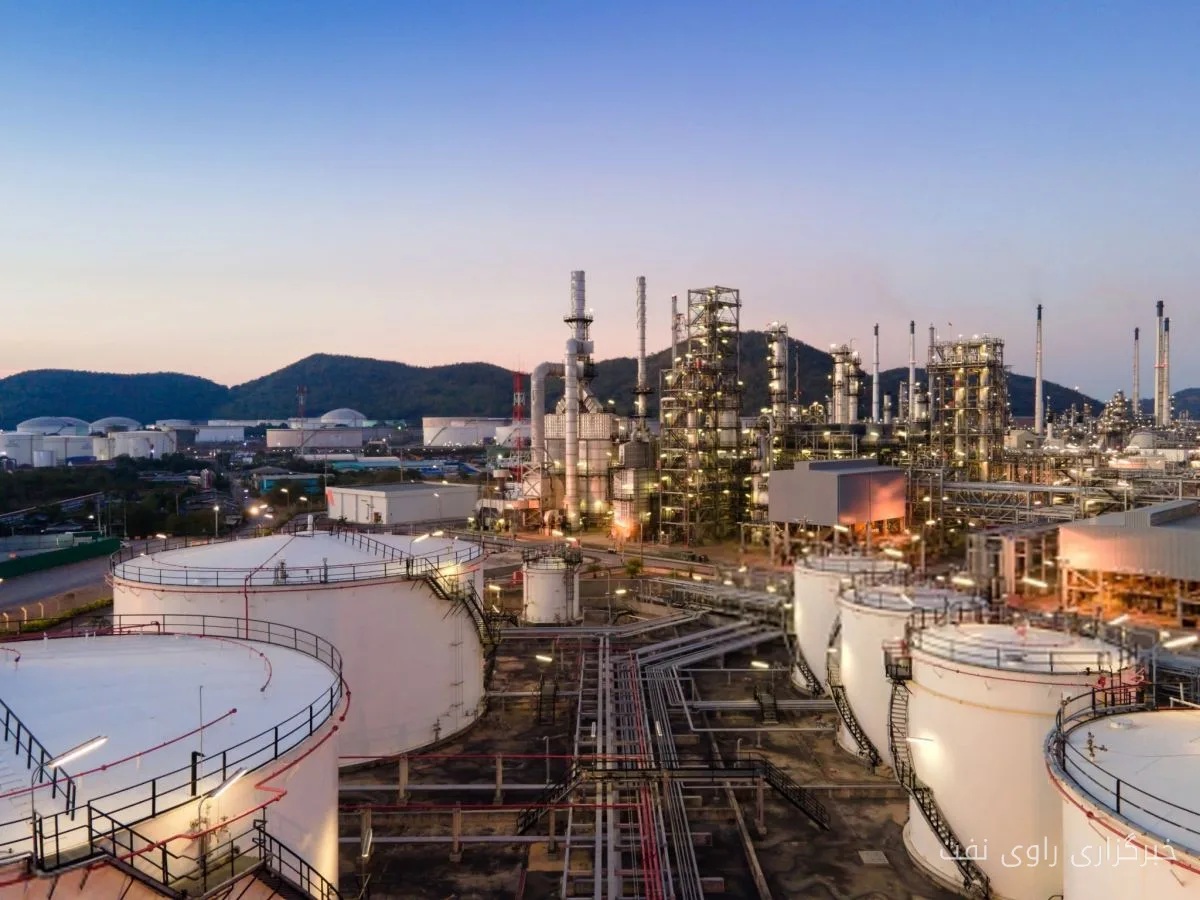
Refineries and petrochemicals are both vital sectors of the oil and gas industry, but their goals and products have distinct differences. A refinery supplies the energy and fuel needed by society by converting crude oil into usable products. In contrast, petrochemicals produce a variety of chemicals and industrial materials using natural gas and petroleum derivatives.
Refinery Performance in Fuel Production
A refinery, as a large industrial unit, converts crude oil into main products such as gasoline, diesel, kerosene, and asphalt. This process involves various stages including distillation, separation, and cracking, which help in separating hydrocarbons and removing impurities. The production capacity of refineries varies depending on size and technology used. For example, the Bandar Abbas refinery, with a production capacity of 300,000 barrels per day, is one of the largest refineries in the country.
Read more: Trump Administration Calls for Exemption for Russian Refineries Amid Rising Diesel Prices
The Role of Petrochemicals in Chemical Production
Petrochemicals focus on producing materials such as ethylene, propylene, methanol, and ammonia. These materials are used in various industries including plastic manufacturing, paints, fertilizers, and pharmaceuticals. Zagros Petrochemical, producing 1.1 million tons of ethylene annually, is an example of active petrochemicals in Iran. This industry acts as an economic growth engine, contributing to value addition and export development.
The difference in raw materials is also clearly observable. Refineries primarily use crude oil as raw material, while petrochemicals utilize natural gas and petroleum derivatives such as naphtha and propane. This indicates the difference in the type of products and their applications, with refineries relying more on supplying fuel and energy, while petrochemicals focus on producing high-value-added compounds.
Economic and Social Impacts
Refineries meet the daily transportation, power plant, and industrial needs by producing various fuels. This reduces dependence on fuel imports and saves foreign currency. Additionally, the presence of refineries contributes to price stability and energy security within the country. In contrast, petrochemicals, as one of the main sources of non-oil revenue, play an effective role in strengthening the country's economic position in international markets.
Ultimately, both industries utilize different technologies for their product manufacturing. Refineries employ physical and mechanical technologies, while petrochemicals require advanced chemical technologies. These differences clearly indicate the need for technical knowledge and investment in each of these industries.
Read more: Naftogaz Collaborates with Canada's LNG Project to Supply Gas to Europe · Targeted Financing for Technology Companies in the Oil Industry Has Begun